Cats have a reputation for independence, and most healthy adults really can handle a normal workday alone without fuss. But the stereotype hides a warmer truth: research from Oregon State University found that around 64 percent of cats are securely attached to their owners, with attachment styles similar to dogs and even human infants. Being comfortable home alone is not a personality trait a cat either has or lacks — it is a skill you can build, plus a home setup that removes the risks nobody is around to catch. Here is how to do both, whether you are gone eight hours or planning an overnight trip.
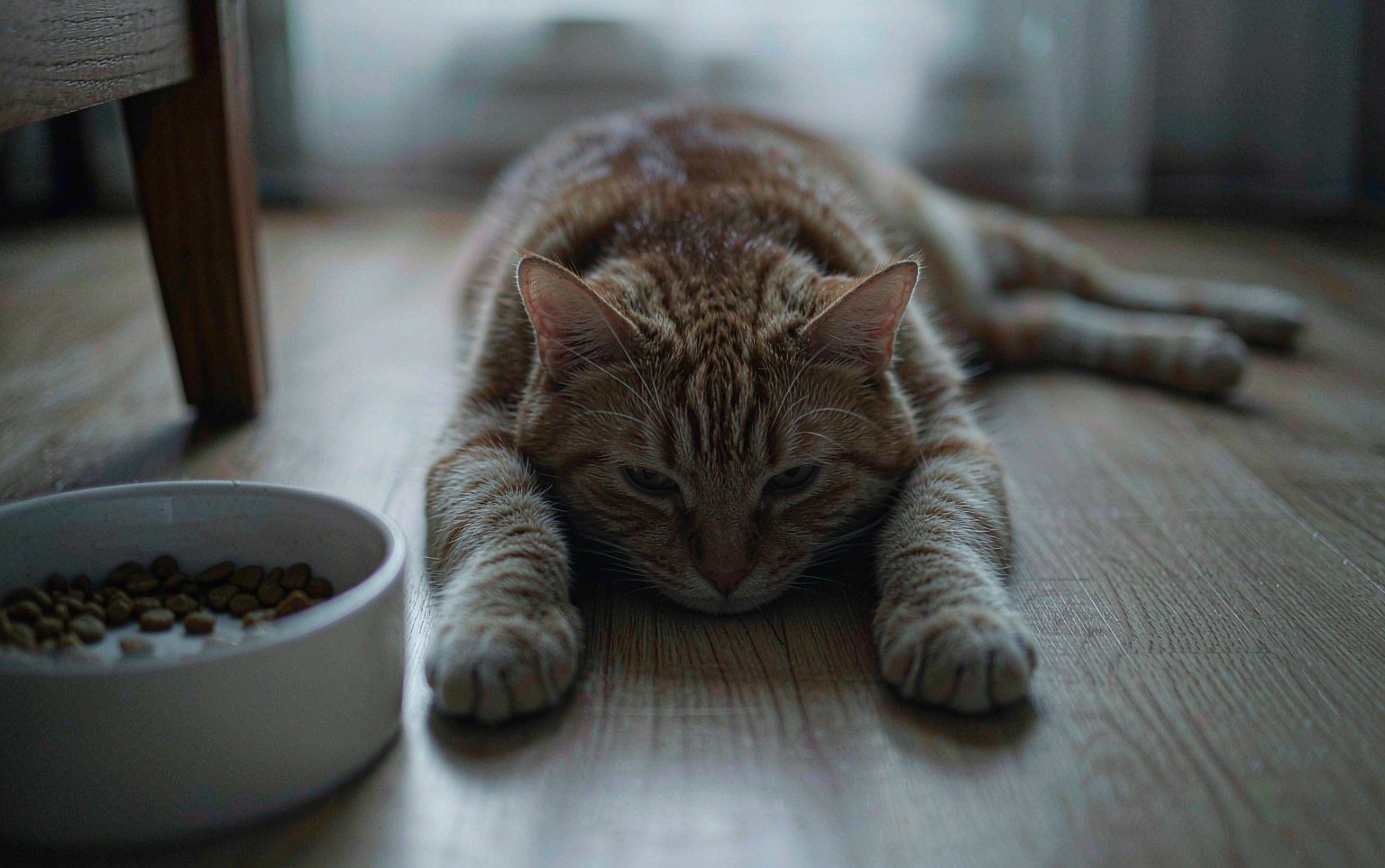
How Long Is Too Long?
For a healthy adult cat, a standard eight-to-ten-hour workday alone is generally fine in a safe, enriched home, and a single overnight is usually uneventful. Beyond that, the consensus supported by the ASPCA is that cats should not go more than 24 to 48 hours without a human check-in, even with automatic feeders and fountains running — because the real risk of a long absence is not loneliness, it is an undetected problem: a tipped water bowl, a jammed feeder, or a sudden illness with nobody there to see it. Age changes the math. Kittens under six months get into trouble too easily and need much shorter absences and more frequent check-ins, while senior cats and those with ongoing health conditions deserve a daily visit at minimum.
| Cat | Reasonable solo limit | Human check-in |
|---|---|---|
| Kitten under 6 months | A few hours, building up | Twice daily |
| Healthy adult | Workday; up to 24–48 hours | Once daily beyond a day |
| Senior or health needs | Up to a workday | At least once daily |
The Pre-Departure Checklist
Preparation the night before does more for a calm cat than any gadget. Work down a short list and you have removed most of what goes wrong in an empty house:
- Water in two different rooms, so one spill never means no water.
- Food measured for the absence — or an automatic feeder you have run for two days first to prove your cat accepts it.
- An extra litter box beyond your usual count, freshly scooped before you leave.
- A hazard sweep: cords tucked away, toxic plants moved, windows latched or screen-secured, small swallowable objects cleared.
- Enrichment left out: a puzzle feeder, a window perch with a view, and a worn item of your clothing for familiar scent.
Building Independence Before You Need It
The training part starts weeks before a trip, and it is almost boring on purpose. Begin by breaking the departure cues: pick up your keys and put them down, put on shoes and sit back down, touch the door handle and walk away — many tiny reps a day, with no actual leaving. Then build real absences in small steps, from a minute behind an interior door up to thirty minutes and beyond, keeping every departure and return deliberately dull; emotional goodbyes and big reunions both make leaving a bigger deal than it should be. Anchor the routine with a play session before you go out, so your cat settles into post-hunt nap mode while you are gone. A cheap camera pointed at her favorite spot tells you whether she naps or paces — and which step to repeat.
Reading the Signs It Is Not Working
Because cats hide distress quietly, judge by patterns rather than single moments. Signs that alone time is exceeding your cat’s comfort include over-grooming to the point of thin patches, house soiling on beds or laundry, appetite dipping when you are away but returning when you are home, and unusually loud greeting behavior when you walk in. The fix is rarely more toys — it is shorter absences, a trusted sitter visiting daily, or a well-matched second cat for genuinely social individuals. If the signs persist even with reasonable hours, loop in your vet to rule out physical causes before treating it as a behavior problem. Managed this way, most cats learn that departures are boring and that you always, always come back.