Many cats are perfect angels at home and small hurricanes at the clinic — and some owners quietly stop booking check-ups because of it. That trade-off costs cats their health, because routine exams are how kidney, dental and thyroid problems get caught early. A calmer visit is built at home, weeks in advance.
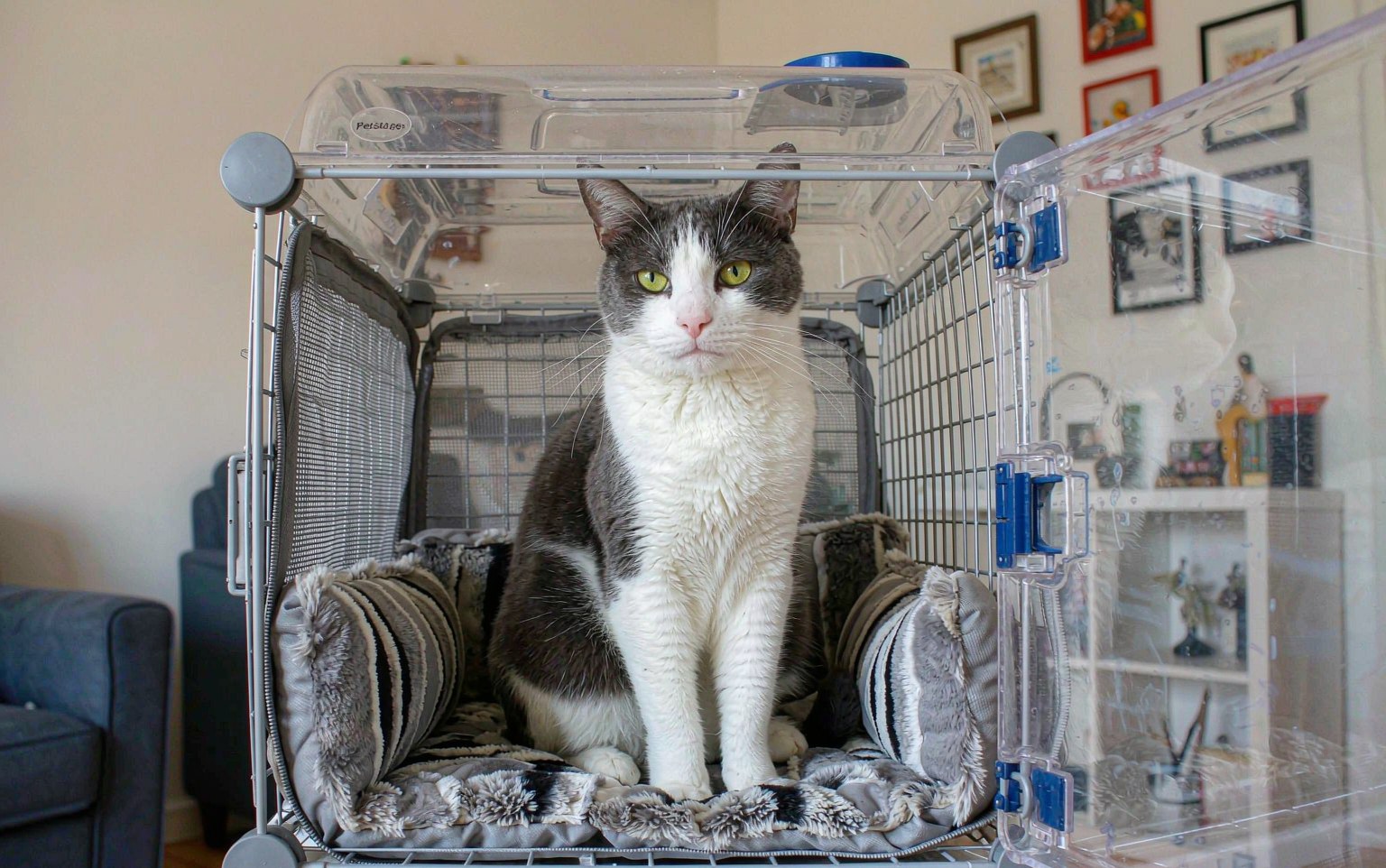
Make the Carrier Part of the Furniture
The single biggest upgrade is boring: leave the carrier out all year, not in the cupboard until appointment day. Take the top half off if it splits, put a familiar blanket inside, and let meals, treats and naps happen in and around it. Once the carrier is just another chair, add short practice runs — carry the cat around the house in it, then take a five-minute drive that ends back home with a treat. Choose a sturdy carrier that opens from the top as well as the front: a veterinary team can examine a nervous cat in the opened base, and nobody has to drag her out through the front door.
Small Details That Calm the Ride
On the day, the drive decides the mood before you reach the car park:
- Skip the big breakfast — a light meal a few hours earlier reduces car sickness and leaves room for clinic treats.
- Carry the carrier with both hands, level and close to your body, never swinging by the handle.
- Secure it flat on the car floor behind a seat so it cannot slide.
- Drape a light towel over it if your cat prefers less to look at.
- A pheromone spray on the bedding, applied about fifteen minutes before loading, helps many cats.
Drive smoothly and keep the radio low. Your own calm voice at loading matters more than anything you say.
At the Clinic: Timing and Setup
Arrive as close to your appointment time as possible — a waiting room full of dogs is the most stressful part of the trip. Keep the carrier on a chair or shelf rather than the floor if you can; being higher up feels safer than sitting in the path of every passing dog. Keep the same towel over the carrier. Tell the team how your cat usually copes — hides, growls, panics at being held — before they begin, and let your cat come out of the carrier in her own time. A cat-savvy team will examine her in the carrier base, use minimal restraint and take breaks when she needs them.
After the Visit — and When to Ask for More Help
Back home, set up a quiet room with water, a litter tray and the carrier door open; a few hours of hiding is completely normal. If your cat’s fear is severe — refusing the carrier at all, vocalising the whole drive, or panicking at the clinic — say so at the next appointment. Vets can suggest behaviour plans and, where appropriate, prescribe short-acting anti-anxiety medication to give before travel. Never dose your cat with anything, human or pet, without your vet’s direction.
Bottom line: an ever-present carrier, a light breakfast, a covered box and a quiet corner at the clinic fix most vet-visit stress. For everything beyond that, your veterinary team has more tools than you think — use them.