Age is not a reason to leave your pet behind; it is a reason to change the plan. Senior dogs and cats travel perfectly well when the journey is built around their pace: shorter legs of the trip, familiar things in unfamiliar places, and no surprises at either end. Here is how to adjust a trip for an older traveler.
Shorten the Legs, Not the Trip
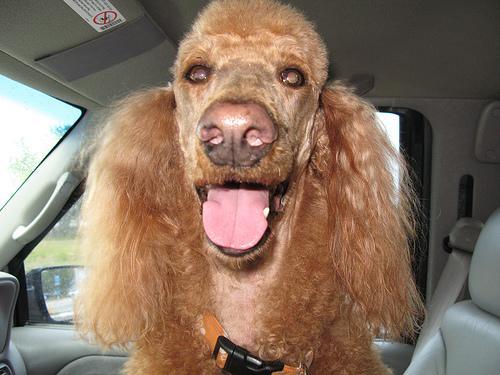
The single biggest change is rhythm. Plan more frequent stops — every one to two hours for a senior dog, so it can stretch stiff joints, drink and toilet without rushing. Build overnight breaks into drives you once did in a single day, and aim to arrive with daylight left, so a slow sniff around new surroundings is possible before dark. Drive smoothly: hard braking and sharp corners are harder on an old body, and the straightest route often beats the fastest one.
| Stage of the journey | The senior-friendly adjustment |
|---|---|
| Before departure | A light meal a few hours ahead, a short walk, and the carrier or bed already smelling like home |
| On the road | Stops every one to two hours, water offered often, temperature kept cool and steady |
| Rest stops | Ground-level shade for dogs; for cats, a quiet spot where the carrier can sit level while you check in |
| Arrival | Set up food, water, bed and litter box first; let your pet survey the room before anything else happens |
Familiarity Is the Whole Baggage Allowance
Senior pets navigate by nose, so pack comfort before gadgets. Their own unwashed bed or blanket, the usual food and treats, water from home or bottled water, and one or two well-loved toys do more than any new travel product. Choose carriers with soft bedding inside and a wide opening, so a stiff pet does not have to squeeze through a narrow door; for cats, a top-loading carrier is often easier on old shoulders and hips. Keep the carrier out at home for a week before the trip so it reads as furniture, not a trap.
Bathrooms, Beds and Mobility on Arrival
Think about the last meter of every journey. If the car is high, a folding ramp spares an arthritic dog the jump it can no longer make gracefully. In the accommodation, request a ground-floor room when you can, put the litter box within easy reach, and lay out the essentials so your cat never has to cross a busy hallway to reach water. For dogs, scope out the nearest patch of grass and check the stair situation; what was trivial at five can be a real obstacle at thirteen.
One Check Before You Book
A pre-trip check-up is worth the hour: confirm your pet is comfortable with the length and type of travel you are planning, and ask what to watch for on the road. While you are at it, refresh the basics — an ID tag with a current phone number, microchip details up to date, and the address of a veterinary clinic near your destination saved on your phone. None of this is elaborate; it is simply the senior version of checking the tires.
The takeaway. Travel with an older pet is the same trip with better spacing: shorter legs, more stops, familiar smells and a soft landing at every stage. Build the plan around the pace of your traveler, and the years stop being a limitation and become just a different way to see the world together.