Walking two dogs at once looks effortless until you try it. Two noses pull in two directions, leashes braid into a rope, one dog spots a squirrel and the other holds the anchor drill. The good news: walking a pair is a learnable system, not a personality test, and it starts long before both leashes are in one hand.
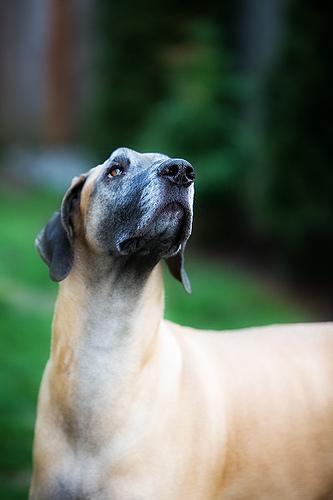
Build the Skills One Dog at a Time
A pair walk is two solo walks stacked, and each dog needs its own foundation first: a loose-leash walk with you, a reliable name response, and a settle when you stop. Train each dog separately for a while — alternating walks, not parallel ones — until both can pass another dog, a cyclist and a dropped sandwich without turning the leash into a tow rope. If one dog already walks beautifully and the other pulls like a freight train, pairing them now teaches the good one to pull. The team is only as trained as its most enthusiastic member.
Gear That Prevents the Braid
- Two standard fixed-length leashes, around one and a half to two meters — never retractables, which are tangle generators
- A comfortable setup for you: two handles in one hand works for calm pairs, a hands-free waist belt for stronger walkers, one leash per hand for training phases
- Harnesses fitted per dog, so a sudden stop spreads force across chests instead of throats
- A treat pouch on your body, not in a pocket you cannot reach while holding two leads
A quiet trick that saves daily arguments: give the two leashes slightly different effective lengths by gripping one a hand-width shorter. The dogs settle into staggered positions — nose and flank instead of shoulder to shoulder — and the braid simply stops forming.
The System: Same Side, Clear Stops
Walk both dogs on the same side of your body, in the zone between your knee and hip. Opposite sides means leashes cross behind your legs at every turn, which is how walks become dances. Start each walk with the calmest exit you can manage — door opens, nobody moves until released — because the first thirty seconds set the arousal level for the whole walk. Practice one anchor: you stop, both dogs sit, both get paid. That single exercise is your emergency brake for crossings, greetings and ice patches. Announce turns with your body early and gently; two dogs read a slow curve far better than a last-second pivot.
When It Goes Sideways
Have a plan for the moment one dog locks onto another dog across the street. Step between the trigger and your pair, drop the anchor, feed at nose height, and back away in an arc rather than dragging forward. If pulling or barking escalates on every walk, split the team for a week and retrain the louder half solo — that is maintenance, not failure. And honestly assess the pair: some dogs genuinely enjoy separate walks more, with the humans trading off. Two calm fifteen-minute walks beat one chaotic thirty every time, for the dogs and for your shoulders.
The takeaway. Solo foundations, tangle-proof gear, same-side positions, one shared anchor and a plan for the hot moment. Run that system for a few weeks and the double leash stops being a wrestling match and becomes what it should be: one walk, two happy dogs, zero braid.