A renovation turns a home into a job site: strangers at dawn, walls opened, dust in the air and doors propped open all day. Dogs and cats live by scent and routine, so a project that excites you can genuinely rattle them. The good news is that the whole thing is manageable with one safe room and a few daily habits.
Plan the Safe Zone Before the Crew Arrives
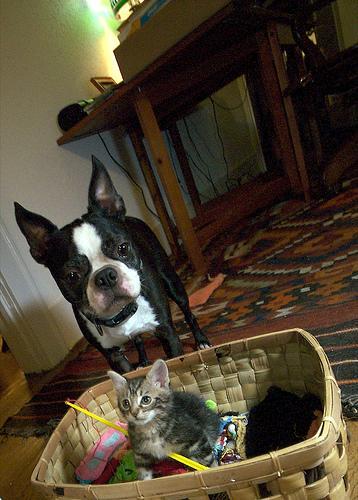
Choose the room farthest from the work area — a bedroom, a laundry room, any room with a door that closes. Set it up completely: bed, water, toys that smell like you, the litter box for cats, and a crate if your dog already uses one happily. Tape a clear sign on the door saying a pet is inside and the door stays closed. A locked door beats a verbal reminder every time, because crews change and nobody remembers a conversation from week one. If your cat is a hider, block the gaps behind built-ins before walls open up; cats find the one cavity you forgot.
Dust, Fumes and Open Doors
- Keep pets out of the work zone entirely — cats groom dust off their own paws, and floors hide nails and splinters
- Ventilate hard on paint and adhesive days and keep pets away until a room has aired out and surfaces are dry
- Count your exits: open gates, propped doors, crawl spaces and new wall openings are escape routes you never had last month
- Check collar tags and microchip details before demolition day, not after a scare
- Wipe paws with a damp cloth on the rare trips through the work area
Keeping Calm When the Hammers Start
Exercise does the heavy lifting: a long walk before the crew arrives turns a noisy morning into nap time. Keep meals and walks at their usual times, because the routine is the message that life is still normal. White noise, a radio or the television masks drills and saws better than silence does. Let your dog observe from a distance if it is relaxed, and skip the forced meet-and-greets with the crew — a curious dog can say hello calmly once, or not at all. Watch the basics: a pet that stops eating, hides constantly, or starts having accidents is telling you the arrangement is not working.
Know When to Move the Pet Out
Some days are simply not pet days: demolition with concrete saws, flooring adhesives, drywall sanding, spray foam, or any day workers cannot keep the safe zone closed. For those, a friend’s home, a daycare day or short boarding beats white-knuckling it. Fearful, senior and very young pets handle the disruption worst, and giving them the quiet option is not spoiling — it is reading the room. Ask your contractor which days will be loudest so the breaks land where they matter.
The takeaway. One closed safe room, dust and fume discipline, escape-proofing done early, and daycare on the loudest days. Run the project that way and your pet comes through the dust with its routine — and your sanity — intact.