Does your dog’s diarrhea have a smell you will not forget? Giardia, a microscopic single-celled parasite, is one of the most common intestinal infections in dogs worldwide, and puppies pick it up more often than adults. Dogs usually swallow Giardia cysts from contaminated water, soil, or faeces – a puddle at the park is a classic source. Many infected dogs never look sick, but when signs do appear, they are hard to miss. Here is what every owner should know, from spotting symptoms to cleaning your home so reinfection does not happen.
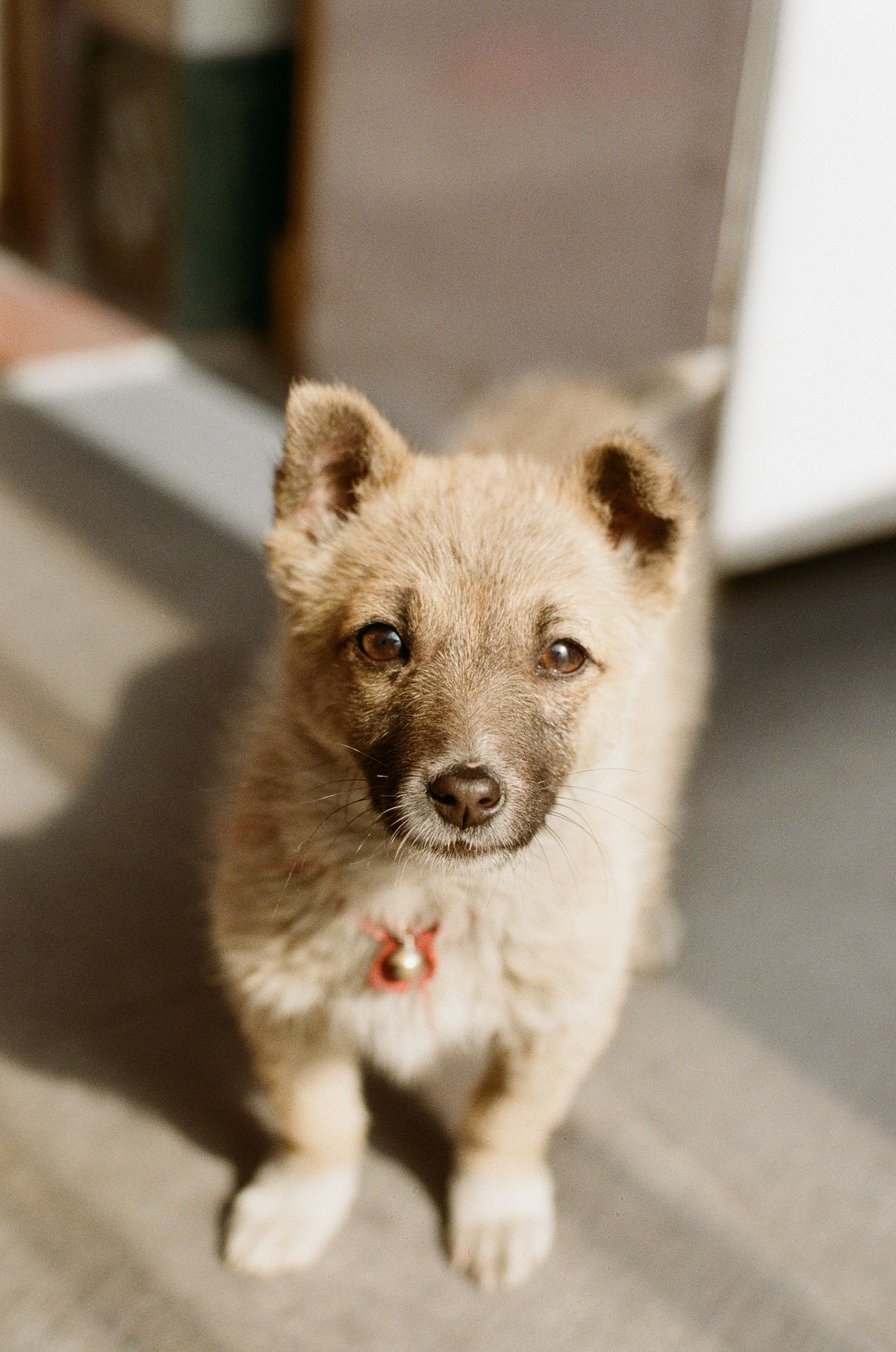
Symptoms of Giardia in Dogs
Signs typically start 5 to 12 days after a dog swallows the parasite:
- Diarrhea that is soft, pale, greasy, or watery, often with a strong foul smell and sometimes a greenish tint
- Excess mucus in the stool, and occasionally blood
- Gradual weight loss despite a normal appetite
- Gas, occasional vomiting, and low energy
The diarrhea may be constant or come and go over weeks, which is why many owners first assume their dog simply ate something odd. Healthy adult dogs often carry Giardia with no signs at all, while puppies and dogs with weak immune systems can become seriously dehydrated.
When to See a Vet
Call your veterinarian if your dog has diarrhea lasting more than two or three days, if it keeps returning over two weeks, or if a puppy, senior dog, or unwell dog develops loose stools at all. Bring a fresh stool sample to the appointment – Giardia is diagnosed by finding cysts or parasite proteins in faeces, and because cysts are shed inconsistently, your vet may ask for samples over several days. Seek care quickly if your dog is also vomiting repeatedly, seems weak, or shows signs of dehydration such as sticky gums or sunken eyes.
Common Vet-Directed Treatments
Veterinarians treat giardiasis with anti-protozoal medications prescribed specifically for your dog, sometimes in combination for stubborn cases. Supportive care such as a highly digestible diet, added fibre, or probiotics may be recommended to firm up stools, and severely dehydrated dogs may need fluid therapy. Because treatment does not always clear every cyst on the first course, your vet may suggest retesting or a second round – and just as importantly, a cleaning plan for your home, since reinfection from the environment is the most common reason diarrhea returns.
Home Care and Cleaning
- Pick up faeces immediately on walks, and at least daily in your yard, then dispose of them in a sealed bag.
- Bathe your dog regularly during and after treatment to remove cysts stuck to the coat, especially around the back end and paws.
- Wash bedding, bowls, and toys in hot water; hard surfaces can be disinfected with dilute bleach solutions left on for several minutes before rinsing.
- Let kennel areas and patios dry fully – Giardia cysts are vulnerable to drying – and keep your dog away from grassy areas they used while sick for about a month.
- Prevent your dog from drinking puddles, streams, or shared water bowls.
Wash your hands after cleaning up stools, and supervise children around a dog with diarrhea. Although the strains that infect dogs rarely make people ill, good hygiene keeps the risk low.
Prevention
Giardia thrives in cool, damp, crowded places, so the best prevention is environmental: keep your dog from drinking untreated outdoor water, provide fresh water on outings, avoid high-density areas during an outbreak, keep up routine faecal checks at wellness visits, and discourage stool eating. Dogs in kennels or shelters benefit most from prompt cleanup and dry, clean housing.
Watch and Learn
Veterinarian Dr. Dan explains what Giardia is, how it causes diarrhea, and how it is diagnosed and treated in dogs and cats.
This article is for educational content only and is not a substitute for professional veterinary advice. Always consult your veterinarian about your pet’s specific condition before making any health decisions.