Around the fourth week of life, a puppy or kitten stops being a milk-only animal. Weaning is the four-week handover from mother’s milk to solid food, and most of the digestive trouble seen in young litters comes from pushing that handover faster than a small gut can follow. The good news is that the schedule is predictable, and it is the same for both species.
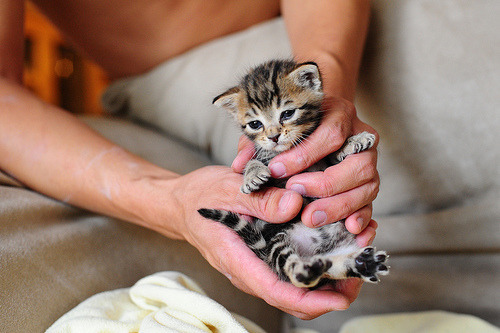
When to Start, and Why Orphans Start Earlier
Puppies and kittens raised by their mother usually begin showing interest in solid food at three to four weeks of age, and weaning normally starts at about four weeks. Orphaned litters should begin closer to three weeks, because even a good milk replacer is less complete than mother’s milk and commonly causes diarrhea or constipation. Early weaning also means the orphans can move onto a genuinely complete growth diet sooner.
Only start when the animal is ready: normal stools, stable body temperature, and enough oral control to lap from a shallow dish. A weak or sick puppy or kitten should be stabilized first, since forcing the transition can lead to aspiration, refusal to eat, and stalled weight gain.
The Four-Week Schedule
Choose the same complete and balanced growth diet you intend to feed after weaning. Using one food from start to finish removes a second diet change, which is one of the most common triggers of loose stools in young animals. Smooth canned food works well for gruel, and dry food should be small-bite kibble that rehydrates easily.
| Age | What to offer | Texture |
|---|---|---|
| 3 to 4.5 weeks | Canned growth food mixed with warm water or milk replacer | Thick gruel, like oatmeal |
| 4.5 to 6 weeks | Small kibble soaked in warm water | Soft, mushy consistency |
| 6 to 8 weeks | Growth kibble and canned food, no added liquid | Fully solid |
Making Meals Work for a Whole Litter
- Serve in a shallow saucer or on a flat dish early on. Puppies and kittens often learn by stepping in the food and licking it off a paw.
- Dab a little gruel on the lips or tongue to prompt licking. Never force-feed.
- Offer fresh water in a shallow bowl as milk intake falls, so hydration keeps pace with the change.
- Feed four small meals a day rather than two large ones. In puppies, four daily meals have been associated with better stool quality during weaning.
- Use separate bowls per animal to reduce competition, and expect a mess: a wipeable floor, a tarp, or a bathtub makes clean-up far easier.
What Not to Do During Weaning
- Do not use cow’s or goat’s milk. Both carry more lactose and less energy than the litter needs, and commonly cause diarrhea.
- Do not add calcium or vitamins. Growth diets are already complete, and excess calcium is a known risk for skeletal problems, especially in large and giant breed puppies.
- Do not lean on temporary weaning-only formulas. They add a diet change you will have to undo later.
- Do not rush a loose stool. Step back to the previous stage, thicken the food less, and slow the pace.
Weaning diarrhea most often appears between four and twelve weeks, while the gut and immune system are still immature. Loose stools that persist for more than a day, or that come with lethargy or refusal to eat, need a veterinarian rather than a further diet experiment.
By eight weeks most puppies and kittens are eating solid food and drinking from a bowl on their own. Keep them on a growth diet rather than switching to adult food early: dogs usually move to adult maintenance around ten to twelve months, large breeds later, and cats at around twelve months. After a spay or neuter, growth diets tend to pack on weight quickly, so energy intake is often reduced by roughly a quarter under veterinary guidance. This article is general information, not veterinary advice.