Sooner or later it happens: a friend arrives with their own dog, or the family dog comes along for the holiday visit. Your home is your pet’s territory, and an unplanned meeting is how resources get guarded, cats get chased and friendships get strained. Fifteen minutes of preparation prevents almost all of it.
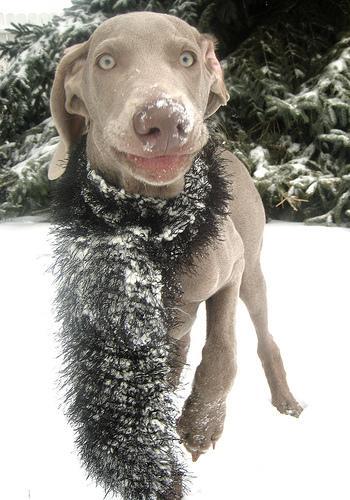
Before They Arrive: Reset the Territory
Pick up the things your pet values most, because that is where trouble starts:
- High-value toys, bones and chews go out of reach — they are the most common trigger for scuffles between dogs.
- Feed everyone separately and remove all food bowls before the guest dog enters; never feed two unfamiliar dogs in the same room.
- If you have a cat, put the litter tray behind a closed door or baby gate and clear vertical space — cat shelves, a tall cat tree, the top of a wardrobe — so your cat can watch from above instead of feeling cornered.
- Set up baby gates so either animal has a retreat that the other cannot enter.
The Arrival, Done in the Right Order
When the guest dog comes to a home with a resident dog, the meeting starts on the street, not at your door. Have both people walk the dogs in the same direction, parallel and about ten metres apart, letting the distance shrink only if both bodies stay loose. Then bring your resident dog inside first — it is their home — and let the visitor follow on a loose leash. With a cat in the house, keep the visiting dog on leash indoors for the first while and let your cat decide whether to appear; hissing or staying hidden is normal communication, not a problem to punish. Swap scents early by rubbing a towel on each animal and leaving it with the other.
Read the Signals
| Fine to continue | Separate and reset |
|---|---|
| Loose, wiggly bodies; play with turn-taking | Stiff staring, raised hackles, pinned bodies |
| Cat observing calmly from a height | Cat flattened, fleeing, or dog fixated on the cat |
| Curious sniffing, then disengaging | Guarding toys, doorways or a person |
If things tip over, use space and barriers — not your hands — and never yell, which only raises the temperature.
Rules That Last the Whole Visit
Keep the dogs leashed or separated whenever you cannot actively watch them, especially in the first hours, and give each animal a break alone at some point — sustained contact without rest is how good mornings turn into bad afternoons. Watch your own pet for quieter signs of strain: excessive yawning, hiding, clinginess or refusing food. If either animal is fearful or reactive by nature, be honest with your friend and suggest the visit happen without the dog — a planned kennel stay is cheaper than a bitten ear.
Bottom line: remove the valuables, gate the litter box, meet dog-to-dog on neutral ground, and keep the cat’s exits open. Do that, and a visit with a guest dog becomes routine instead of a gamble.