Puppy calendars are full of promises — grown by one, calm by two — and puppies ignore all of them. What actually helps is knowing which changes are coming, so you can adjust food, exercise and training a step ahead instead of a month behind. The order below is a pattern, not a deadline; small breeds finish early, large breeds run late, and individual dogs wander off the schedule in both directions.
Track Progress, Not Dates
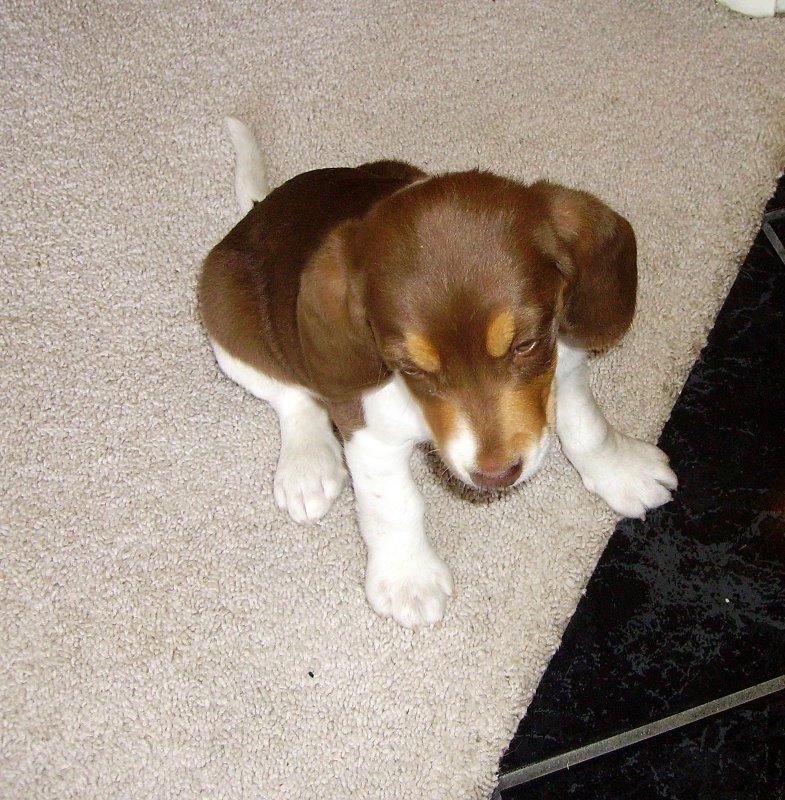
The two things worth measuring are weight and shape. Weigh your puppy weekly on the same scale, at the same time of day, and note it down — a steady climb matters far more than hitting a number. Then read the body rather than the scale: ribs you can feel under a thin layer of padding, a visible waist from above, and no sudden change in appetite or energy. Monthly photos in the same spot, beside the same object, make the growth visible when the daily changes are invisible.
Two to Four Months: New Home, Baby Teeth
This is the busy stretch. Baby teeth are through, curiosity is enormous, and bladder control is measured in minutes rather than hours. Build the day around repetition: toilet opportunities after every meal, nap and play session; short, cheerful training of one skill at a time; and gentle exposure to people, surfaces, sounds and handling while the world still feels optional. Carry your puppy where the ground is shared until your vet says the vaccination course is complete, and let the walks that do happen stay short and dull.
Four to Six Months: Loose Parts and Lost Teeth
Growth is fastest now, and it shows. Legs look borrowed, the ear set changes overnight, and the adult coat starts pushing through in patches. The baby teeth fall out and the adult teeth arrive, which is why chewing peaks here — this is a mouth problem, not a manners problem, so keep a rotating supply of chew-appropriate items and put shoes away. Joints are still forming, so keep high-impact play and long runs on hard ground off the menu and choose grass, gentle slopes and mental games instead.
Six to Twelve Months: The Teen Months
The body begins to look adult well before the brain does. Expect a confident, distracted adolescent, sometimes a nervous one, who tests rules it knew last month. Keep sessions short and rewarding, raise the value of your treats in busy places, and hold the routine steady. Large breeds continue growing through this whole stretch and well beyond it, which is the main reason their exercise stays controlled and their food stays growth-appropriate until your vet says otherwise.
A Monthly Snapshot
| Age | What is changing | What to adjust |
|---|---|---|
| 2-3 months | Baby teeth through, bladder control tiny, everything is new | Frequent toilet trips, very short training sessions, gentle exposures |
| 4 months | Rapid height gain, coat change, teeth loosening | More chew options, controlled exercise on soft ground |
| 5-6 months | Adult teeth mostly in, chewing peaks, confidence grows | Reward-based manners work, longer outings at a calm pace |
| 7-9 months | Gangly proportions, testing limits | Keep routines identical, reward the behaviour you want repeated |
| 10-12 months | Near adult size for small breeds, still growing for large ones | Review food and exercise with your vet rather than switching on a birthday |
The takeaway. Weigh weekly, watch the body shape, expect loose teeth and long legs around four to six months, and keep exercise gentle while the joints are still forming. Feed and exercise to your individual puppy rather than to a chart, and review the plan with your vet when something stops looking right.