If you scoop a litter box every day, you have probably noticed that some cats bury their waste with surgical precision while others leave it sitting on top as if they own the place. Neither cat is being difficult. Covering waste is one of the oldest habits a house cat carries, and once you understand what drives it, the daily box routine gets easier to manage.
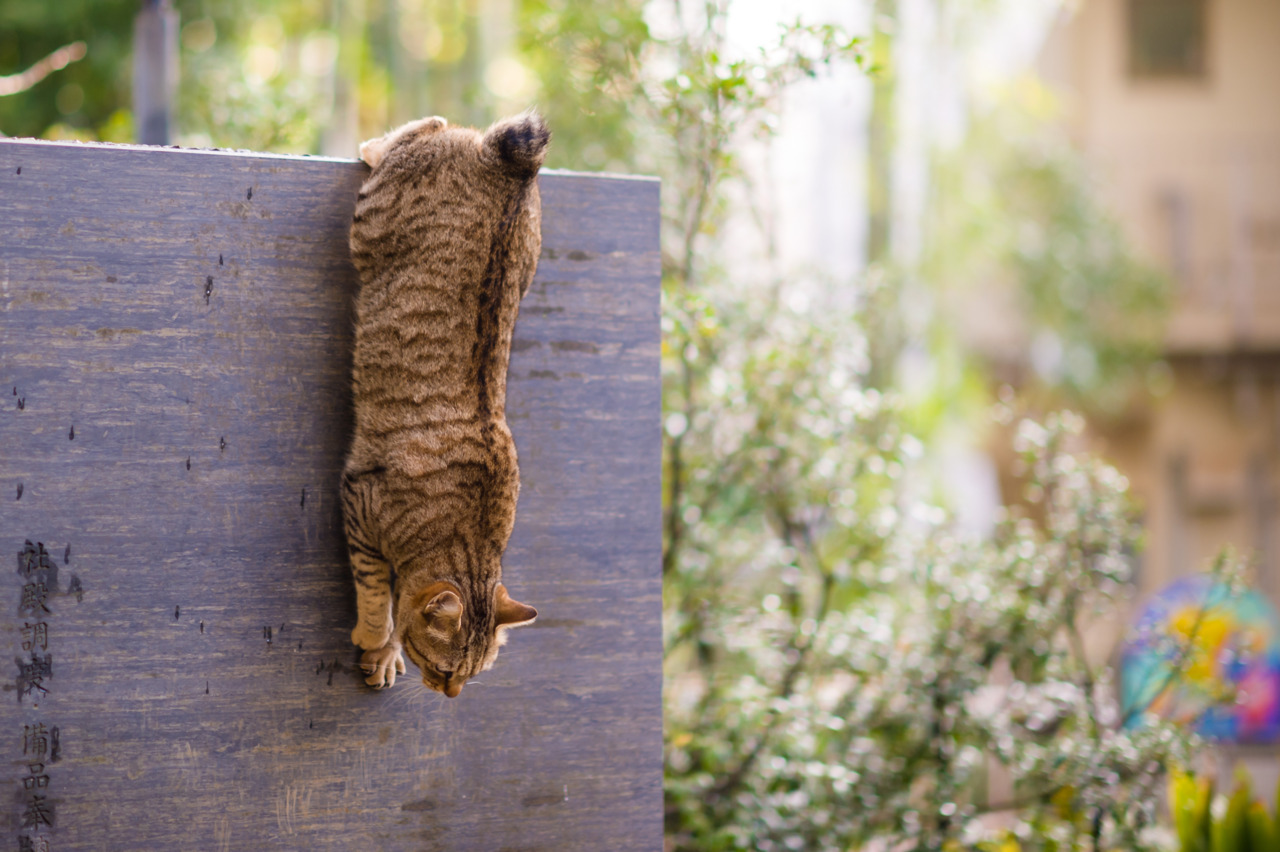
The Instinct Behind the Burial
Small wild cats live two dangerous lives at once: they hunt, and they are hunted. A pile of waste is a scent signpost that tells larger predators exactly where a small cat has been — and tells potential prey that a hunter is nearby. Covering waste with soil or sand hides both signals at once.
House cats never met most of those threats, but the script is still installed. Most indoor cats bury by default, not because they are fussy, but because hiding waste is the safer bet for an animal their size. Kittens often learn the motion by watching their mother, and some need a little practice before the technique looks tidy.
Scent, Status and the Social Message
Urine and feces carry pheromones — chemical signatures that other cats can read like name tags. Burying is a way of saying “I’m here, but I’m not looking for trouble.” In studies of free-roaming cat colonies, dominant males often leave waste unburied on prominent spots, letting the scent broadcast their claim, while lower-status cats bury thoroughly to avoid a challenge. Zoologist Desmond Morris popularized the idea that a pet cat burying its waste treats the humans of the house as the senior partner. Whether or not your cat reasons it through, the pattern holds: burying is the polite, low-conflict option, and skipping it can be a status statement — especially in multi-cat homes where one cat may deliberately leave a deposit visible to the others.
When the Burying Stops
A cat who buries faithfully and then stops is worth watching. Sometimes the message is social: a new cat in the house, or a cat deciding the household pecking order changed. Often, though, the answer is practical.
| What you see | Common reason | First move |
|---|---|---|
| Buried, but barely — a token paw sweep | Box too small or litter too shallow | Upgrade to a larger box; keep litter 5–7 cm deep |
| Digs, then bolts mid-bury | Dirty box or scented litter | Scoop daily; switch to unscented litter |
| Leaves everything uncovered on top | Status signal in a multi-cat home | Add one more box than cats, spaced apart |
| Avoids the box entirely or strains | Possible urinary or digestive trouble | Call the vet promptly |
That last row matters most. Straining, frequent trips, crying in the box or accidents elsewhere are not attitude problems — they are reasons for a veterinary visit.
Making the Habit Easy to Keep
Most cats do not need training; they need conditions that let the instinct work:
- A box at least one and a half times the cat’s body length.
- Unscented, fine-grained litter kept 5–7 cm deep — deep enough to dig, shallow enough to walk.
- One box per cat, plus one, in quiet spots away from appliances that startle.
- A daily scoop. A cat walking into a soiled box may rush the job, or skip it.
- A gradual switch whenever you change litter brand or texture.
The short version. Burying waste is camouflage behavior, not housekeeping: small cats hide their scent from threats, and status, box comfort and health all decide how carefully the job gets done. Give your cat a big, clean, quiet box and the ritual usually takes care of itself — and when a tidy burier suddenly stops, treat it as information about the box, the household or the cat, not as an insult.