Cats sleep 12 to 16 hours a day, which means most of what you know about your cat’s inner life arrives through a sleeping body. Positions are not random: each one balances warmth, safety and how much of the world the cat is willing to ignore. Learning the vocabulary takes an evening, and it pays off twice — you understand your cat better, and you notice sooner when something changes.
The Positions, Decoded
| Position | What it usually means |
|---|---|
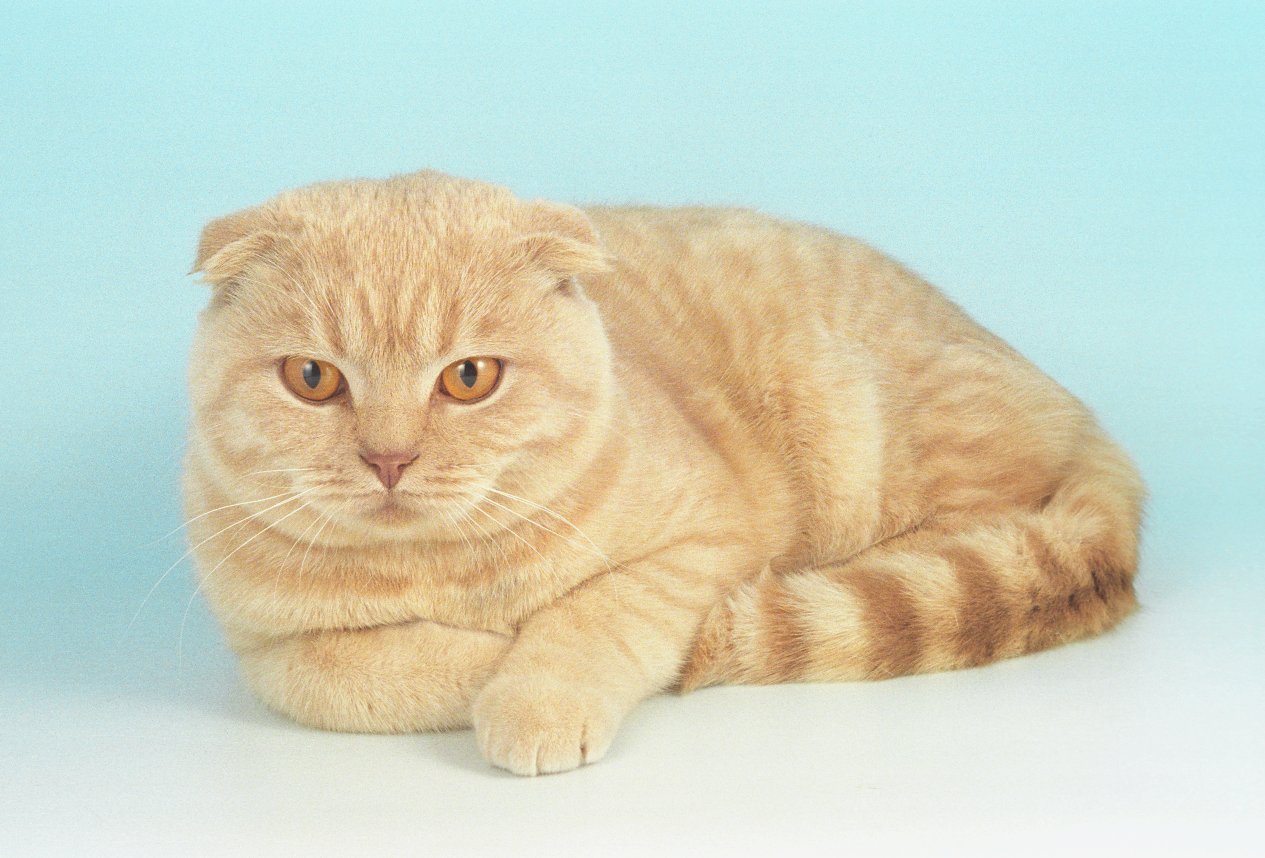
| The loaf | Paws tucked, eyes soft: resting but not off duty. Comfortable, yet ready to move. |
| The tight curl | Classic ball with the tail wrapped around: conserves heat and protects the belly. Common in cool rooms and with cats still building confidence. |
| Side sprawl | Muscles fully released — genuine deep sleep, and a sign the cat feels safe. |
| Belly-up | The belly holds vital organs; exposing it is a strong trust signal and a way to cool down. |
| The sploot | Flat on the belly, hind legs out behind: cooling off and stretching, often after play. |
| Faceplant | Paws or face over the eyes: blocking light and noise for an undisturbed nap. |
None of these are invitations to pet a sleeping cat, by the way — the belly-up pose especially.
Why Position Follows Temperature
Cats adjust their shape to manage heat. A curled cat minimizes exposed surface and keeps warmth in; a sprawled or splooting cat sheds it. Watch the room, not just the cat: a house at 18 °C produces curls, while a sunny windowsill produces full-length sprawls. If your cat is permanently curled even in a warm room, or permanently sprawled on cold tile, look at the temperature options you are offering — a drafty floor and a heatless apartment both get answered with posture.
What Deep Trust Looks Like
Side sleeping and belly-up are the two positions that cost a cat the most, because both slow the escape plan. A cat that sleeps flat on its side in the middle of the room, or tips over near you, is reporting that nothing in the environment feels like a threat. Younger cats and new arrivals almost always start with loaves and tight curls, then loosen up as the household proves predictable.
When a Change Is Worth Attention
Positions become useful as a health signal the moment they shift:
- A cat that stops stretching out, or stays tightly hunched, may be protecting a sore abdomen or stiff joints.
- Loafing that looks tense — shoulders bunched, head low, eyes squeezed shut — is different from a relaxed loaf.
- Sleeping somewhere new and strange, such as inside the litter box, always deserves a vet call.
- Restlessness in a favorite position — readjusting repeatedly without settling — can point to pain.
Pair the posture clue with the basics — appetite, litter box use, grooming — and you will know quickly whether it is a sleepy mood or a call to the clinic.
The short version. Loaf means resting but alert, curl means warm and guarded, side and belly-up mean deep trust, and a sploot means cooling off. Read positions against the room temperature and the calendar of household changes, and treat a sudden shift — hunched posture, litter box sleeping, restless nights — as a reason to look closer, not just a quirk. Your cat’s default nap is the cheapest health check in the house.