The first time a puppy’s whole chest jerks in a steady rhythm — hic, hic, hic — many owners reach for the phone. It is almost never needed. Hiccups in dogs are a normal reflex, they are most common in puppies, and in the vast majority of cases they stop on their own within minutes. Here is what is actually happening, what usually sets it off, and the short list of signs that do warrant a call.
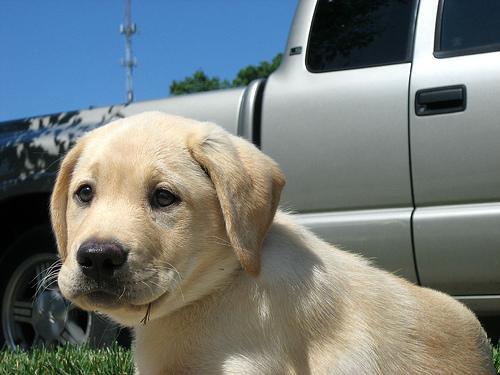
What a Hiccup Actually Is
A hiccup is an involuntary spasm of the diaphragm, the muscle under the lungs that drives breathing. The muscle contracts, air rushes in, the gap at the back of the throat snaps shut — and the classic “hic” is the sound of that snap. Young dogs get them far more often than adults because the nerves controlling the diaphragm are still maturing, and puppies can even hiccup before they are born. Most bouts last a few minutes; a puppy who stays bright and curious through an episode is telling you everything is fine.
The Usual Triggers
- Eating or drinking too fast, which swallows air along with the meal
- Excitement or overstimulation during play or greetings
- Stress, or a busy day with too little rest
- Getting chilled, or very cold water straight from the fridge
- Hard exercise right before or after a meal
Flat-faced breeds hiccup somewhat more often, and their breathing always deserves a closer watch.
What Helps — and What Never Helps
For a routine bout, do less rather than more: pause play, offer access to fresh water without pushing it, and let the episode run its course. A calm belly rub or a change of position helps some dogs settle. Prevention beats cure for repeat offenders: a slow-feeder bowl, several smaller meals instead of one large one, calmer mealtimes and an hour of rest after eating before hard play all cut down swallowed air.
| Trigger | Simple fix |
| Gulps food | Slow-feeder bowl or smaller, more frequent meals |
| Gulps water | Shallow bowl; skip ice-cold water after play |
| Bursts of excitement | Quiet settle-down time after play sessions |
| Chilly pup | Warm sleeping spot; room-temperature water in winter |
One rule has no exceptions: never use human hiccup tricks. Startling a dog, making it hold its breath, tipping it backwards or offering human remedies can cause fear, choking or worse — and none of it works.
When to Call the Vet
Call your clinic if any of these appear:
- Hiccups that last more than an hour, or happen many times a day
- The sound changes from “hic” to wheezing
- Any sign of breathing difficulty, pain or distress
- Coughing, sneezing or discharge from the nostrils
- Vomiting or regurgitation, a swollen belly, or unusual tiredness
Those signs can point to something other than a simple reflex, and they are easy for a vet to check.
The short version. Hiccups are a puppy reflex, not an emergency: diaphragm spasm, a few minutes long, gone by dinner. Slow the meals, keep mealtimes calm, skip the human tricks, and save the vet’s number for the red flags — long episodes, wheezing, breathing trouble or vomiting. This article is general information, not a diagnosis; when a bout looks different from the usual, let your vet take a look.