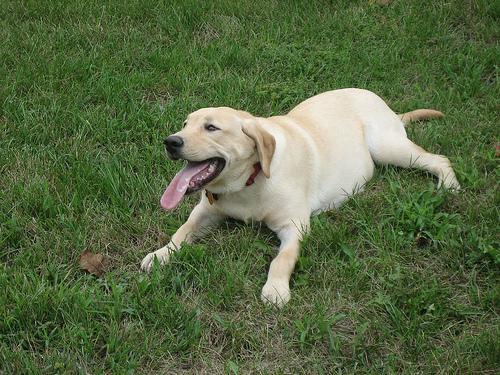
If your older Labrador has started to sound like a rusty hinge when he pants, or his once-booming bark has faded to a hoarse whisper, laryngeal paralysis may be quietly developing. This condition is one of the most common breathing problems seen in senior large-breed dogs, especially Labradors, Golden Retrievers, and similar breeds. It tends to creep up slowly over months, so many owners mistake the early signs for simple aging. The good news is that with timely veterinary care and a few sensible changes at home, most affected dogs continue to enjoy comfortable, active lives.
What Happens in Laryngeal Paralysis
The larynx, or voice box, sits at the top of the windpipe. With every breath, small cartilages fold open to let air in, and with every swallow they close to keep food and water out of the lungs. In laryngeal paralysis, the nerves that control those cartilages gradually weaken, so the airway no longer opens fully. Breathing takes more effort, especially during panting, and the voice changes because the vocal folds cannot vibrate normally. In many older dogs this nerve decline is part of a broader, slowly progressive condition known as geriatric onset laryngeal paralysis and polyneuropathy, which can also cause mild weakness in the hind legs over time.
Symptoms to Watch For
- Noisy breathing: a loud, raspy or high-pitched sound when inhaling, particularly after exercise or excitement.
- A changed bark: hoarse, muffled, or noticeably quieter than before.
- Exercise intolerance: tiring quickly on walks that used to be easy.
- Heat sensitivity: struggling far more than other dogs on warm days.
- Gagging while eating or drinking: occasional coughing when food or water goes down.
- Wobbliness in later stages: stumbling or dragging the rear paws as the underlying nerve condition progresses.
When to See a Vet
Any persistently noisy breather or hoarse senior dog deserves a veterinary exam, even if the signs seem mild. Diagnosis usually involves a light sedated exam of the larynx, chest X-rays, and bloodwork that may include thyroid testing. Some findings should never wait for a routine appointment:
| Seek care promptly (routine) | Go immediately (emergency) |
|---|---|
| Progressive hoarseness or noisy breathing | Gums or tongue turning blue or gray |
| Tiring faster on normal walks | Panic, collapse, or struggling hard for air |
| Gagging when drinking | Overheating that will not settle in a cool room |
| Mild rear-leg weakness | Coughing with fever or lethargy after vomiting |
A breathing crisis is a true emergency. While heading to the clinic, move the dog to a cool, calm space and avoid any pressure around the neck.
Common Vet-Directed Treatments
Treatment depends on severity. Mild cases are often managed with lifestyle changes alone, because studies have found limited and inconsistent benefit from medication. When breathing difficulty is significant, the most common surgical option is a unilateral arytenoid lateralization, widely known as tie-back surgery. A veterinary surgeon permanently holds one side of the larynx open with sutures, and the majority of dogs breathe dramatically better afterward. Surgery does not cure the underlying nerve condition, and it slightly increases the long-term risk of aspiration pneumonia because the airway can no longer fully close during swallowing, so owners should discuss both benefits and risks before deciding.
Home Care and Prevention
- Switch to a harness for life. Collars and neck leads press on the airway; a well-fitted harness removes that strain.
- Keep the dog lean and cool. Extra weight and heat both make breathing harder. Walk in the cool parts of the day and skip strenuous play in warm weather.
- Feed carefully after surgery. Many vets recommend moistened food formed into meatballs, hand-fed at first, and discourage swimming permanently because an open airway can take on water.
- Watch for pneumonia. Coughing, fever, fast breathing, or loss of appetite after eating deserves a same-day veterinary visit.
There is no guaranteed prevention, since the main causes involve age-related nerve decline and genetics, but keeping a dog lean, using harnesses from puppyhood, and avoiding rough neck-pulling games all reduce strain on the airway.
Watch a real recovery story from a veterinary surgeon’s patient:
This article is educational content only and is not a substitute for professional veterinary advice. If your dog shows any breathing emergency, contact your veterinarian or an emergency clinic immediately.