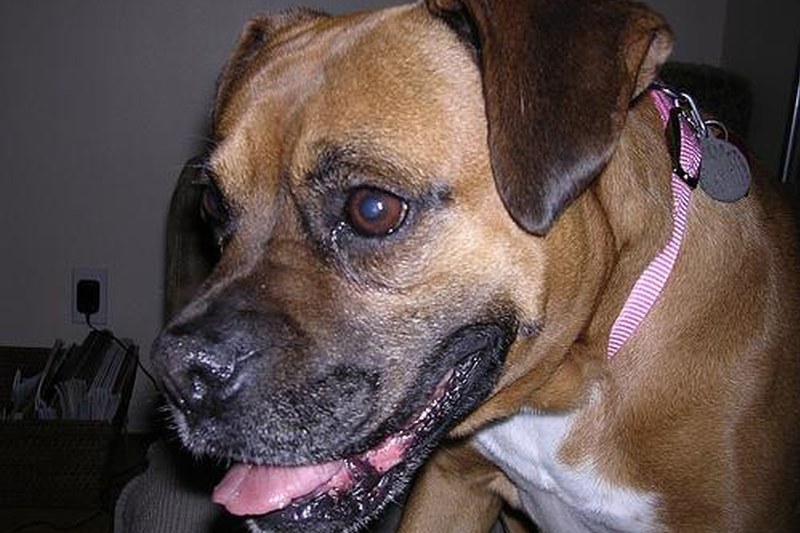
Ask three people in the same house whether the dog has been fed and you may get three confident answers, two of them wrong. Shared feeding is where weight quietly goes up: a rounded scoop here, a second breakfast because nobody was sure, a handful of biscuits every time someone walks past. None of it is a mistake in the moment, and all of it adds up over a month. The fix is not more willpower, it is a single visible record that everyone writes on.
How Portions Creep in a Shared Home
- Double meals. Two people feed, and one meal is served twice.
- Rounded scoops. A heaped measuring cup can hold 15 to 20 percent more than a level one.
- Treat drift. Each person thinks they hand out one or two treats; across the household it becomes ten.
- Topping up. The bowl looks empty, so it gets refilled without anyone counting.
- Sitters and visitors. New people guess at portions, and usually guess generously.
The Log Itself
One sheet on the fridge, or one shared note on a phone everyone can edit. Four columns are enough, and it takes ten seconds to fill in.
| Date | Meal and portion | Fed by | Extras |
|---|---|---|---|
| Mon 12 | Breakfast, 70 g | Sam | 3 training treats |
| Mon 12 | Dinner, 70 g | Alex | dental chew |
| Tue 13 | Breakfast, 70 g | Alex | none |
| Tue 13 | Dinner, 70 g | Sam | 2 biscuit halves |
Weigh the portion rather than scooping it, at least for the first fortnight. A kitchen scale removes the biggest source of error in the whole routine, and it is faster than levelling a cup.
Making It Survive a Real Week
- Pre-portion the day’s meals into labelled containers each morning, so there is only one thing to hand out.
- Put a marker on the bowl: flip it, move a magnet, or clip a peg when the meal is served, and reset it the next morning.
- Keep a fixed jar of the day’s treat allowance. When it is empty, treats are finished, no matter who asks.
- Write a handover card for sitters: portion size in grams, meal times, treat limit, and where the log is kept.
- Agree that nobody feeds outside the log. One undocumented meal makes the whole record useless.
The Weekly Check
Once a week, read back the log and add up the extras. Then weigh your pet and run your hands over the ribs. If the ribs are getting harder to find, cut the daily portion by about 10 percent, keep the treat allowance where it is for two weeks, and check again. Small, deliberate cuts are far easier to sustain than a sudden crash diet, and the log tells you exactly what changed. In a multi-pet home, give each pet their own line in the log, feed at separate stations, and avoid a shared free-feeding bowl that hides who ate what.
A feeding log sounds fussy. In practice it takes ten seconds a meal and it answers the question every household asks at least once a week. More importantly, it turns feeding into something measured, which is the single easiest way to keep a dog or cat at a healthy weight.