The bath is the easy part. What happens in the twenty minutes afterward decides whether your dog ends up with a clean, fluffy coat or a damp undercoat that smells faintly of wet dog for the rest of the day. Drying is also where most post-bath skin and ear problems start, so it is worth getting right rather than rushing.
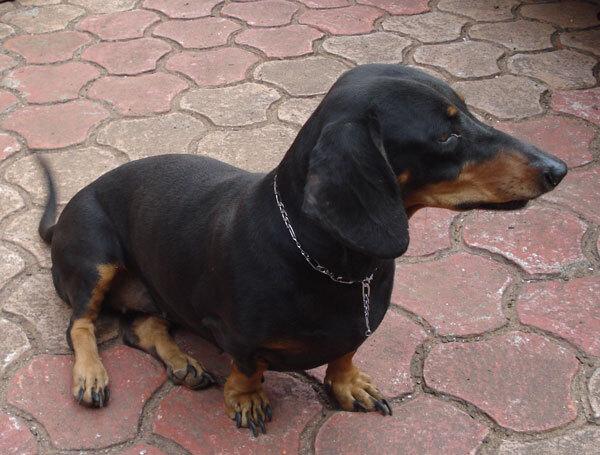
Why a Damp Coat Causes Trouble
Moisture trapped against the skin creates exactly the conditions bacteria and yeast prefer: warm, dark and wet. A double coat or a curly coat can hold water in the underlayer for hours after the surface feels dry, which leads to matting, irritation and that musty smell. Floppy-eared dogs add another risk, because water sitting in the ear canal is a common starting point for ear trouble. Thorough drying down to the skin is the goal, not a dry-looking topcoat.
Step One: Towel, Do Not Rub
Let your dog shake first, because that removes a surprising amount of water before you touch a towel. Then use a microfiber towel and press or squeeze rather than scrub. Rubbing tangles long and curly coats and can irritate skin. A medium dog usually needs two towels and a large dog needs three. Work from the head down in smooth strokes that follow the direction of hair growth, then fluff the fur with your fingers as you go to open the undercoat. Stop when the coat is damp rather than dripping, which is the point where towels stop being efficient.
Step Two: Air Movement, Not Heat
If your dog tolerates a dryer, keep the setting cool or low, hold the nozzle at least six inches away, and keep it moving. Direct heat on a short-coated dog, the groin or the ear flaps can burn sensitive skin, and air should never be pointed into the ears, eyes, nose or anus. Brushing the section you are drying separates the hairs so air reaches the undercoat, which is the technique professional groomers rely on. Work in sections, finishing the legs and body before the head, which most dogs find the most stressful part of the process.
| Coat type | Best method | Watch out for |
|---|---|---|
| Short and smooth | Towel, then air dry in a warm room | Chilling if the room is cold |
| Double coat | Towel, then cool dryer with brushing | Wet undercoat hidden under a dry topcoat |
| Long or silky | Towel press, low dryer, brush as you go | Tangling when dried without brushing |
| Curly | Cool dryer plus continuous brushing | Severe matting from air drying alone |
The Spots Everyone Forgets
Four places stay wet longest and cause the most follow-up problems: inside the ear flap, the armpits, the groin, and between the toes. Fold a towel corner into a point and wipe the inside of the ear flap only, never pushing anything into the canal. Dry between each toe pad, where lingering moisture can lead to sore, inflamed skin. Check the folds around the lips, any wrinkles, and the tail area, and pat those dry last.
Building Tolerance Without a Fight
If your dog panics at the dryer, stop and finish with towels. Force-drying teaches a dog that bath time is something to dread, and it makes the next bath harder for both of you. Instead, spend two weeks beforehand switching the dryer on in the same room and rewarding calm behaviour, then pointing it at the floor nearby, then briefly at the back end. Most dogs accept a cool dryer after that gradual build-up. The ones who never do are perfectly fine with towels and a warm room, as long as the undercoat genuinely dries.
Finish with a full brush-out once the coat is dry. It lifts the last of the loose hair, prevents tangles forming as the coat settles, and gives you a chance to notice anything the bath revealed.