Running or biking with your dog turns two daily chores into one good hour, and it builds fitness in both directions. It also asks a lot of joints, pads and attention. The difference between a dog that thrives on it and one that gets hurt is almost always the build-up: distance added slowly, surfaces chosen carefully, and a willingness to go home early.
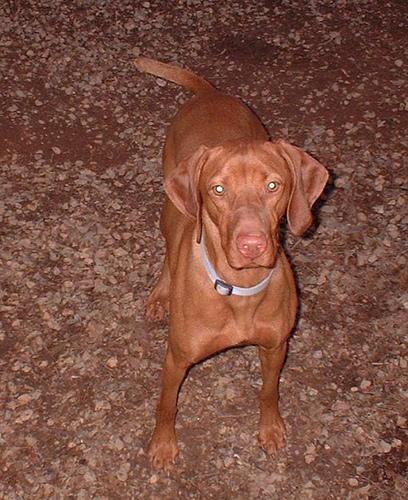
What Your Dog Needs Before the First Run
- An adult frame — growing joints should not be asked to log distance, so wait until your dog is fully grown
- Weigh-in honesty — carrying extra weight uphill is harder than it looks, and pads are not built for it
- A comfort check — a dog that is stiff after a normal walk is not ready for a run
- A check-up first, especially for flat-faced dogs, heavy-coated breeds and large breeds
- Basic leash manners, so the trip is not a tug-of-war from the first block
A Twelve-Week Distance Build
| Weeks | Structure | Watch for |
|---|---|---|
| 1–2 | Walk only, 20–30 minutes, with two minutes of easy trotting | Any limping, licking of pads, or reluctance to start |
| 3–4 | Add one 30-second jog per five minutes of walking | Sore pads; a dog that stops sniffing has stopped enjoying it |
| 5–8 | Alternate one minute of trotting with two minutes of walking | Heavy panting that does not settle within a few minutes |
| 9–12 | Extend continuous trotting gradually, never more than about ten per cent a week | Stiffness the next morning — that is a signal to step back |
Rest days are part of the plan, not a break from it. Two or three easy days a week is what allows the build to continue at all.
Gear and Handling
- A properly fitted harness for pulling work — pressure on the throat is the wrong end of the dog
- A hands-free belt leash for running, so your hands stay free and your centre of gravity stays over your feet
- Pads checked after every session for wear, grit and splits
- Water on board and short drinks at intervals rather than one big stop
- A short, fixed leash on pavement, and a good long line only where it is safe to use one
Biking: More Speed, More Rules
A bike adds speed, and speed removes reaction time for both of you. Keep your dog on the side away from traffic, ride well under your normal pace, and never attach a leash to the handlebars. Learn the route first without your dog, then take it at walking speed before you ever pedal properly. Start on smooth, quiet surfaces: gravel, hot pavement and salted winter roads are all hard on pads. Cross roads on foot, with the bike beside you, and treat every junction as a full stop.
Reading the Signs to Stop
Pace and body language tell you more than a fitness tracker. A dog that has stopped sniffing, is lagging behind or keeps trying to turn for home has given you its answer. So has one that pants hard for more than a few minutes after stopping, or drags its paws. Cool down with five minutes of walking, offer water, and check the pads. If the next morning brings stiffness, cut the distance rather than pushing through — the training effect comes from recovery, not from volume.
The takeaway. Build by ten per cent a week, run on ground that is kind to pads, use a harness and a hands-free belt, and finish while your dog still wants more. Fitness is the goal, so the days you cut short are the days that keep the plan alive.