Most birds are excellent self-groomers — they preen for hours and keep their feathers immaculate. But two parts of the body need your help: the beak and the nails. Healthy wear keeps them in shape naturally; when growth outpaces wear, you get overgrowth, snagged nails, and sometimes a warning sign of deeper disease. Here is how to tell the difference between routine maintenance and a problem that belongs at the vet.
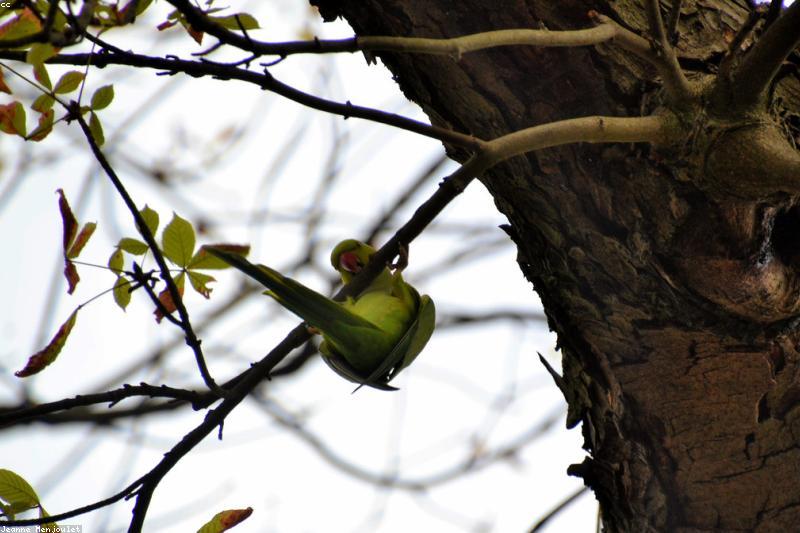
What Healthy Looks Like
A healthy beak is smooth, symmetrical, and evenly colored, with the upper and lower halves meeting cleanly. Nails should let your bird perch flat-footed without curling so far that the toes lift off the wood. During your regular handling sessions, run a quick check: look for flaking, chips, discoloration, or a beak that has visibly changed shape over recent weeks. Ten seconds a week catches most problems early.
Why Beaks and Nails Overgrow
Growth outpacing wear is the usual story — but not the only one, especially for budgies and cockatiels:
| Cause | Warning Signs | What To Do |
|---|---|---|
| Not enough wear | Gradual overgrowth, long nails | Add cuttlebone, mineral block, varied perches |
| Liver disease | Overgrown, flaky, discolored beak | Avian vet exam promptly |
| Scaly-face mites | Crusty, honeycomb buildup around beak and nostrils | Avian vet treatment |
| Malocclusion or injury | Misaligned beak, uneven wear | Vet shaping, monitor closely |
| Poor diet | Brittle beak, dull feathers | Move from all-seed to pellets and vegetables |
Build Wear Into the Cage
The best grooming program is one your bird does not notice. Inside the bird cage, give wear a chance to happen naturally:
- A cuttlebone and a mineral block clipped where your bird actually likes to sit — nutrition and beak conditioning in one.
- Perch variety: natural wood branches of different diameters, plus one or two textured grooming perches placed near the food dishes, never at the top roosting spot (all night on a rough surface irritates the feet).
- Chew and foraging toys: soft wood, palm shreds, and cardboard give the beak real work; rotate them weekly so they stay interesting.
- A balanced diet: pellets plus fresh vegetables support the keratin growth that keeps both beak and nails strong.
Skip sandpaper perch covers entirely — they do not trim nails and they cause painful sores on the bottom of the feet.
Trimming Nails at Home — Carefully
- Prepare first: styptic powder or cornstarch on hand, good lighting, a towel for gentle restraint.
- Find the quick: on light nails it is the pink line inside; trim only the translucent tip, well clear of it.
- Trim tiny amounts. On dark nails where the quick is invisible, take off small slivers or let a professional handle it.
- Work in pairs if your bird is nervous — one person holds, one trims — and stop if your bird panics.
- If bleeding starts, apply pressure with styptic powder; if it does not stop within a couple of minutes, call your vet.
Leave the Beak to the Vet
Nail tips can be a careful home job; a beak cannot. The beak is packed with blood vessels and nerves, and a healthy beak should maintain itself with diet and chew opportunities. If a beak keeps overgrowing, that is a symptom — of liver disease, malnutrition, or mites — and the fix is a diagnosis, not a home trim with nail clippers. Vets shape beaks with a rotary file safely and painlessly. Check beak and nails during your weekly cuddle time, keep the wear-building items stocked, and hand anything abnormal to an avian veterinarian. That combination keeps grooming boring — which is exactly what you want it to be.