Every cat owner knows the sound — the pre-dawn hacking that ends with a wet fur cylinder on the floor. Occasional hairballs are normal, but frequent ones mean your cat is swallowing more fur than its gut can move. The single most effective fix is not a supplement from the pet shop; it is a consistent brushing routine that removes loose fur before the tongue does.
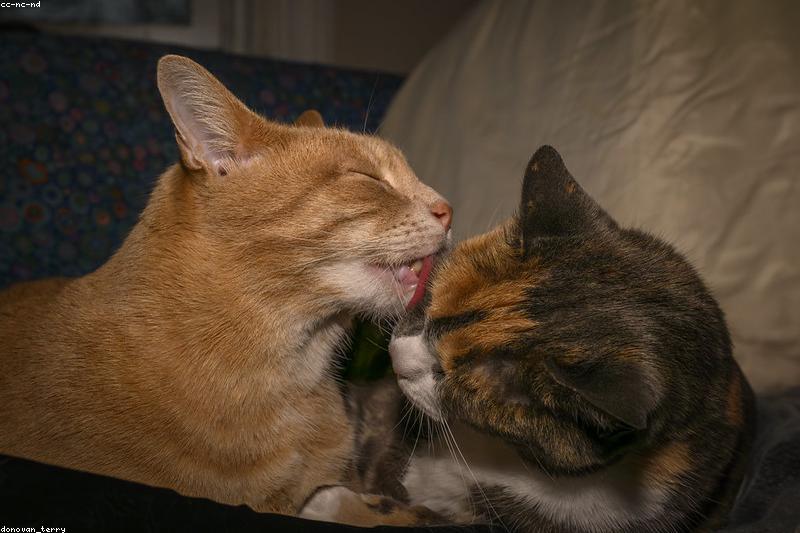
Why Hairballs Form
A cat’s tongue is covered with backward-facing barbs that catch loose fur with every grooming pass. Most swallowed hair passes through the digestive tract, but some collects in the stomach and comes back up as a hairball. The odds rise with heavy seasonal shedding, thick undercoats, long coats, stress-related over-grooming, and reduced mobility in older or overweight cats who cannot groom themselves properly.
Brushing Frequency by Coat Type
Consistency beats duration. Short, regular sessions remove fur before it accumulates; a monthly marathon does not.
| Coat type | Brushing frequency | Best tool |
|---|---|---|
| Short-haired | 2–3 times per week | Rubber mitt or soft bristle brush |
| Medium-haired | 3–4 times per week | Wide-tooth comb plus slicker brush |
| Long-haired (Persian, Maine Coon, Ragdoll) | Daily | Pin brush plus metal comb; undercoat rake in shedding season |
In spring and autumn moults, add a quick daily 1–2 minute session for any coat type — that is when most hairballs are made.
Where to Focus and How to Keep the Cat Cooperative
Loose fur concentrates in predictable zones: the chest and neck ruff, behind the front legs, the lower back and sides, the trousers on the hind legs, and the tail base. Work these areas gently with short strokes in the direction of the coat.
- Start with 2–5 minute sessions and stop before your cat gets annoyed — ending early builds tolerance for next time.
- Pair brushing with a treat or a fixed pre-dinner slot so the routine becomes predictable.
- For tangles, tease them apart with fingers first. Never pull a mat tight to the skin, and never cut near the skin with scissors — cat skin tears easily. Tight mats belong to a professional groomer or vet.
Support the Gut: Hydration, Fibre, and Diet
Brushing reduces fur going in; hydration and fibre help fur move out. Wet food increases moisture intake, a water fountain encourages drinking, and hairball-control formulas add fibre that carries hair through the gut. A tiny amount of plain canned pumpkin (half to one teaspoon) is a popular gentle fibre option — skip anything sweetened or spiced. Avoid home remedies like butter, large doses of oil, or petroleum jelly unless your vet recommends them; they can cause stomach upset. Healthy cats typically produce only one to two hairballs a month — more than that is a signal, not a quirk.
When Hairballs Mean Something More
See the vet if you notice any of these:
- Frequent or increasing vomiting, or repeated unproductive retching with nothing coming up.
- Coughing — it is easily mistaken for hairball gagging but points to the lungs or heart instead.
- Constipation, appetite loss, lethargy, or weight loss alongside hairballs.
- Sudden over-grooming or bald patches, which often signal allergies or stress.
A few minutes of brushing several times a week, plus good hydration, prevents most hairball problems at the source — and doubles as a regular hands-on health check for lumps, fleas, and sore spots your cat would otherwise hide.