Gerbils are busy, curious little animals that spend their days digging tunnel systems, gnawing on everything, and checking on their humans. They are hardier than hamsters in daily handling and far more entertaining to watch, but they have a few non-negotiable needs that beginner guides often miss. Get these right and a gerbil pair will thrive for three to five years.
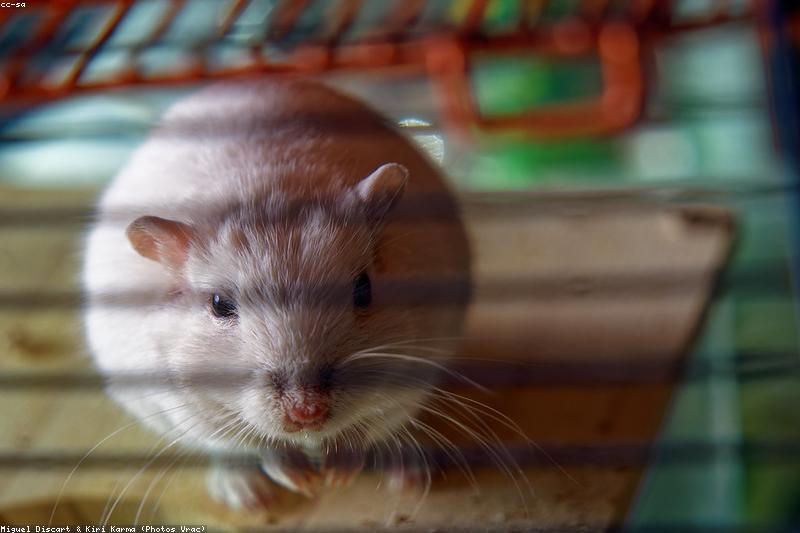
Housing: Think Down, Not Across
Gerbils are burrowers first. Unlike hamsters, they need depth more than floor area. A glass tank with a secure mesh lid, at least 80 centimeters long and 40 centimeters tall, is a good starting point. The real requirement is bedding depth: at least 25 to 30 centimeters of a mix of safe bedding and plain paper so they can build stable tunnels that do not collapse. Pine and cedar shavings are off the list because their aromatic oils irritate small lungs.
Inside, provide a solid-surface wheel sized 28 centimeters or larger, a ceramic hide, a sand bath for grooming, and plenty of cardboard to destroy. Gerbils drink little, but a bottle or heavy dish of fresh water should always be available.
Never Keep a Gerbil Alone
This is the biggest welfare rule in gerbil keeping. Gerbils are intensely social, and a lone gerbil often becomes stressed, inactive, and prone to stereotypic digging at corners. Keep them in same-sex pairs or small groups, ideally siblings adopted together. Introducing unfamiliar adults requires a split-cage method over several weeks and should not be attempted casually. A bonded pair will groom each other, sleep in a pile, and communicate with a repertoire of thumps and squeaks.
Feeding and the Chew Factor
A good gerbil diet is simple:
- Staple: a quality gerbil or hamster seed-and-pellet mix, about a tablespoon per gerbil per day.
- Fresh foods: small pieces of carrot, apple, cucumber, or leafy greens two or three times a week.
- Protein extras: occasional unsalted sunflower seeds, mealworms, or plain cooked egg.
Their teeth never stop growing, so chewing is not a hobby, it is healthcare. Supply toilet paper tubes, untreated wood, coconut shells, and hay constantly. A gerbil without chew material will target the plastic parts of its own cage, which can cause dangerous blockages if swallowed.
Handling and the One Tail Rule
Here is the rule every gerbil owner learns early or learns the hard way: never grab a gerbil by its tail. The skin can slough off entirely, a painful injury called tail slip that does not grow back. Instead, scoop the gerbil up in cupped hands or let it climb into a cup. Handle them low over a soft surface, because a short fall can break their delicate bones. Short, frequent, calm sessions with a sunflower seed reward build trust faster than any forced handling.
Health Signs Worth Watching
Gerbils hide illness well, so changes in routine matter. Redness around the nose, overgrown nails or teeth, a wet tail area, sudden weight loss, or a gerbil that stops digging all warrant a vet visit with exotic pet experience. Sneezing from dusty bedding usually resolves once the substrate changes; sneezing with lethargy does not.
Deep bedding, a same-sex companion, constant chew material, and tail-safe handling cover ninety percent of gerbil care. Offer those four things and you get a front-row seat to one of the most charming tunnel engineering operations in the small pet world.