Sore hocks, medically known as ulcerative pododermatitis, is a painful condition that affects the skin on the soles of a rabbit’s back feet. Despite the name, the hock joint itself is not the problem: rabbits have no foot pads, only fur covering thin skin, so when that fur wears away, bare skin takes the full pressure of the rabbit’s weight. One UK study found signs of pododermatitis in more than 90 percent of pet rabbits examined, which makes regular foot checks one of the most valuable habits a rabbit owner can build.
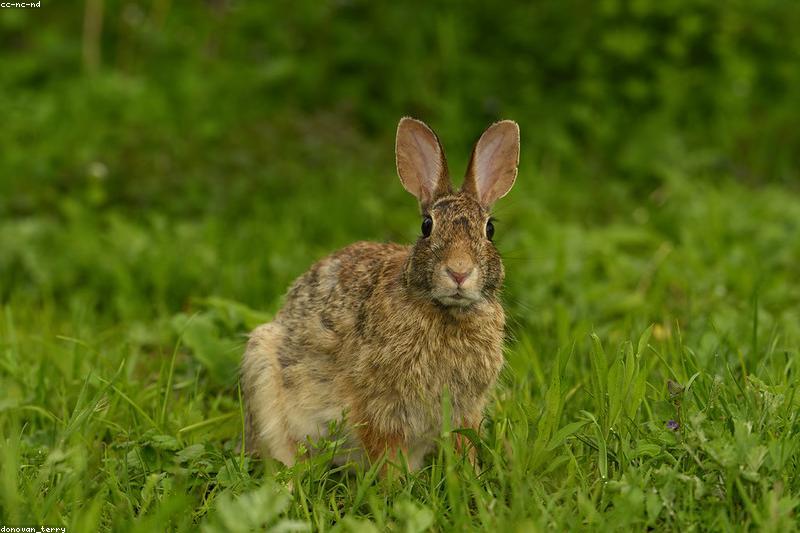
Symptoms by Stage
| Grade | What you see | What it means |
|---|---|---|
| I-II | Bald patch, pink or thickened skin on the heel | Early pressure damage, best time to act |
| III | Redness, swelling, callus, scabs | Inflammation, vet visit advised |
| IV-V | Open ulcers, abscesses, limping | Deep infection possible, urgent care |
Rabbits in pain may eat less, grind their teeth, sit hunched, or stop moving around the enclosure. Heavy breeds such as Flemish Giants, thin-furred Rex rabbits, overweight rabbits, and animals kept on wire or hard floors are at highest risk.
When to See a Vet
See a rabbit-savvy veterinarian at the first sign of redness or fur loss on the heels, and urgently if you notice open sores, pus, bleeding, foul odor, or a rabbit that cannot bear weight. Take photos of the feet every few days so you can show the vet exactly how quickly things are changing. Severe cases can spread to the bone (osteomyelitis) and become very difficult and expensive to treat, so early intervention makes a real difference to the outcome.
Common Vet-Directed Treatments
- Systemic antibiotics chosen from a wound culture when infection is present
- Pain relief such as meloxicam, prescribed and monitored by the vet
- Daily wound cleaning, topical treatments such as silver sulfadiazine or medical-grade honey, and protective bandaging or boots
- X-rays to rule out bone involvement in advanced cases
- Surgery to debride dead tissue or close deep wounds in severe cases
Home Care
Treatment only works if the cause is fixed at the same time. Replace wire or hard flooring with soft, dry bedding such as vetbed, foam mats, or deep hay, and clean the enclosure daily so feet never sit in damp, soiled litter. Keep nails trimmed so weight shifts back onto the toes, manage weight with a hay-based diet, and encourage daily exercise. Bandages must be kept clean and dry and changed as often as your vet advises, and the feet should be re-checked every week during recovery.
Prevention
- Provide soft, solid resting surfaces, never bare wire floors
- Inspect the soles of the feet weekly, especially in Rex and giant breeds
- Keep nails short and body weight in a healthy range
- Keep bedding dry and clean, and give plenty of room to exercise on soft surfaces
- Check the feet after any weight change, illness, or period of reduced movement
Sore hocks are far easier to prevent than to cure. A few minutes of weekly foot checks, combined with soft flooring and a healthy weight, can spare your rabbit months of painful bandage changes and repeated vet visits.