Ask five bird owners how long parrots live and you will get five different answers — and all of them can be right. “Parrot” covers everything from a 40-gram budgerigar to a kilo-heavy macaw, and lifespan scales with size, genetics, and above all, daily care. Before you fall in love with a bird at the pet shop, it pays to know exactly what kind of commitment you are making.
Lifespan by Species: The Realistic Numbers
Under good husbandry, captive parrots live far longer than most first-time owners expect. Typical ranges for well-cared-for pet birds look like this:
| Species | Typical lifespan in captivity |
|---|---|
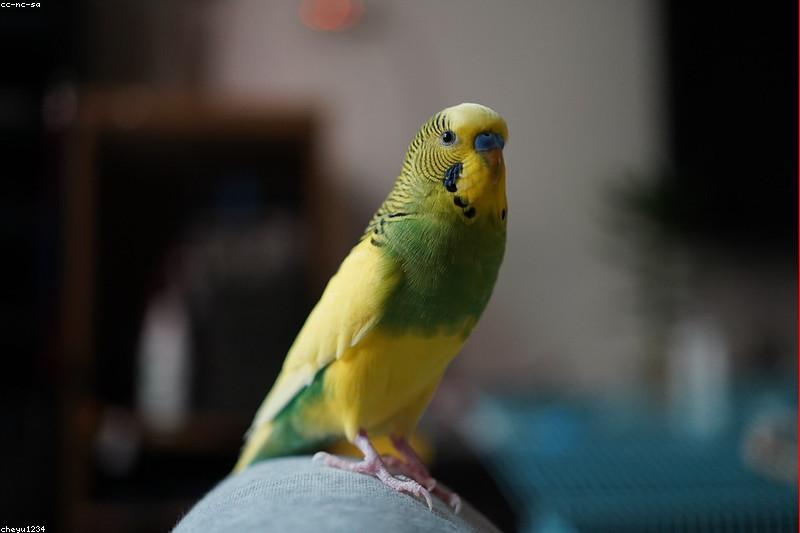
| Budgerigar (budgie) | 7–15 years |
| Lovebird | 10–20 years |
| Cockatiel | 15–25 years |
| Green-cheeked conure | 20–30 years |
| African grey parrot | 40–60 years |
| Amazon parrot | 40–70 years |
| Macaw | 50–80+ years |
Two things stand out. First, even the smallest parrots are not short-term pets — a budgie routinely outlives hamsters, rabbits, and some dogs. Second, large cockatoos and macaws can genuinely outlive their owners, which is why reputable rescues ask adopters to name a successor caregiver in writing.
Why Pet Parrots Outlive Wild Ones
A wild budgie is lucky to see five years; the same genetics at home can pass fifteen. The difference is not luck. Captive birds face no predators, no starvation, and no weather extremes, and they get veterinary care when something goes wrong. The trade-off is that captivity introduces its own risks — poor diet, stale air, and boredom — so the “captive advantage” only appears when husbandry is right.
The Four Habits That Add Years
- Feed like an adult, not like a snack bar. An all-seed diet is the most common cause of early death in small parrots, driving obesity and fatty liver disease. A base of quality pellets plus fresh vegetables, with seed as a treat, is the pattern avian vets recommend.
- Give the bird cage room to be a home. A suitably sized bird cage, several perch types and diameters for foot health, and daily out-of-cage exercise keep hearts and muscles working.
- Work the brain. Parrots are cognitively closer to toddlers than to goldfish. Rotating foraging toys, teaching simple tricks, and offering a cuttlebone and shreddable items prevent the chronic stress that shortens lives.
- Book annual avian vet checks. Birds hide illness until it is advanced; a yearly exam with an avian veterinarian catches problems while they are still treatable.
Planning for a Decades-Long Commitment
If you are choosing your first bird, match the species to your realistic horizon rather than to the photo on the cage card. Budgies and cockatiels deliver full parrot personality on a 15–25 year timeline, which suits most families. An African grey or macaw is a decision that should involve your household, your finances, and ideally your long-term plans. Rehoming is deeply stressful for parrots — many pluck their feathers and grieve for months — so the kindest choice is the one you can honor for twenty years, not the one that delights you on day one.
Longevity in parrots is not a lottery ticket; it is the compound interest of hundreds of small decisions. The diet bowl, the bird cage setup, the perches, and the toys you rotate are what turn “up to 60 years” from a statistic into a promise you keep.