Respiratory infections are among the most dangerous common illnesses in guinea pigs. They are almost always bacterial, most often caused by Bordetella bronchiseptica or Streptococcus pneumoniae, and they move fast: an infection that starts as sneezing can become fatal pneumonia within a day or two if untreated. Guinea pigs cannot take a wait-and-see approach the way a dog with a mild cold might, and they do not catch human cold viruses at all. They are also obligate nasal breathers, meaning they breathe through the nose, so any congestion quickly deprives them of oxygen. Rabbits and dogs can carry Bordetella without symptoms and pass it to guinea pigs, which is one reason housing species together is risky.
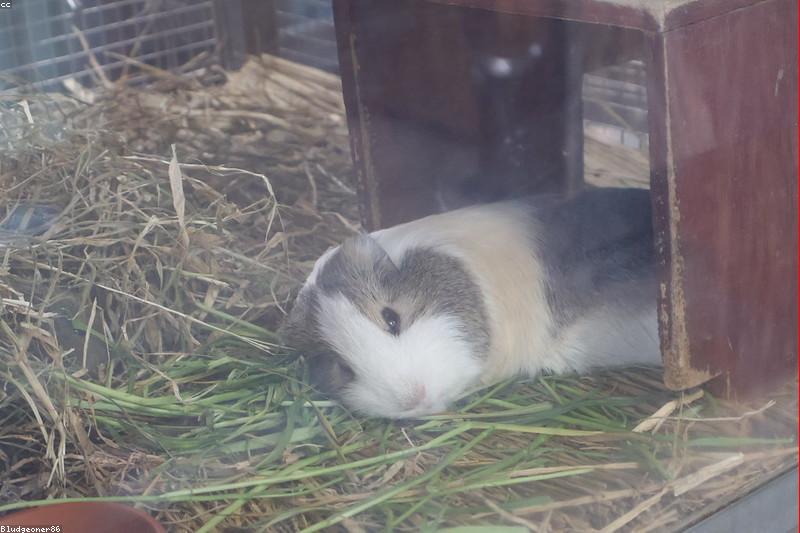
Symptoms of a Respiratory Infection
- Sneezing, coughing, or clicking and wheezing sounds when breathing
- Discharge from the nose or crusty, weepy, almost sealed eyes
- Labored or rapid breathing, or breathing with an open mouth
- Loss of appetite, which quickly leads to no fecal droppings
- Lethargy, a hunched posture, and a rough or puffed-up coat
Mouth breathing or obvious effort when breathing is an emergency, not a symptom to monitor overnight. A guinea pig that stops eating is also in immediate danger, because its gut must keep moving for it to survive.
When to See a Vet
See an exotic-pet veterinarian the same day you notice any of these signs. A vet will listen to the chest with a stethoscope, check hydration, and may take an x-ray or culture the bacteria to pick the most effective antibiotic. If your guinea pig is already on antibiotics and shows no improvement within a day or two, call the vet again, because the medication may need to be changed.
Common Vet-Directed Treatments
| Treatment | Purpose |
|---|---|
| Safe antibiotics such as Bactrim or doxycycline | Clear the bacterial infection; enrofloxacin (Baytril) is used with caution in young pigs |
| Vitamin C supplementation | Supports the immune system and corrects deficiency that makes infections worse |
| Fluids and syringe feeding | Keep the gut moving while the pig is not eating on its own |
| Oxygen therapy or nebulization | Support breathing in severe cases |
One warning deserves emphasis: many antibiotics that are safe for dogs and cats, including amoxicillin, are deadly for guinea pigs because they destroy the gut bacteria the animal needs to digest food. Never give any medication without an exotic vet’s guidance, and stop and call the vet immediately if diarrhea appears during treatment. Well-established infections can take weeks to fully resolve, so finish the entire course even when your pig looks better.
Home Care
Keep the sick guinea pig warm and draft-free, separated from other guinea pigs, on clean dry bedding. Weigh it daily with a kitchen scale, because weight loss is the earliest sign of trouble, and hand-feed critical care formula or softened pellets if it will not eat. Follow your vet’s feeding plan exactly and keep a log of weight, appetite, and droppings to report at rechecks.
Prevention
Prevention is mostly husbandry. Quarantine every new guinea pig for at least two weeks before it joins your herd, keep guinea pigs away from rabbits and dogs with respiratory signs, and choose dust-free hay and paper-based bedding rather than cedar or pine shavings. Provide good ventilation without drafts, clean the cage before ammonia builds up, avoid overcrowding, and deliver daily vitamin C through fresh vegetables or supplements. A strong, well-fed guinea pig resists the infections it will inevitably meet.
Disclaimer: This article is for educational content only and is not a substitute for professional veterinary advice. Always consult a licensed veterinarian for diagnosis and treatment of your pet.