Bringing home a second bird sounds simple: buy another bird cage, introduce them, done. In reality, a rushed introduction is the fastest way to end up with two stressed birds, bite wounds, and expensive vet visits. Done properly, introducing a new bird takes weeks – and the most important phase happens before your resident bird ever sees the newcomer.
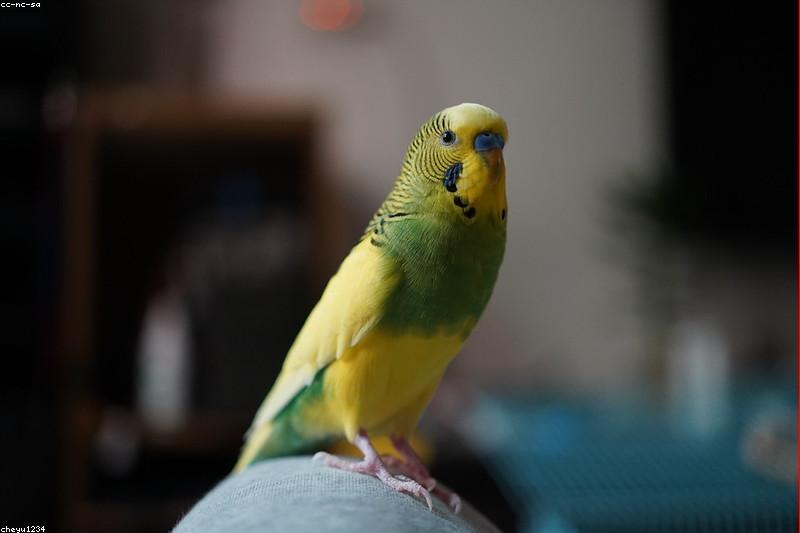
Start With an Honest Question: Does Your Bird Want a Friend?
Contrary to popular belief, a hand-raised pet bird that has bonded to you is not automatically lonely. Avian vets point out that most problems blamed on loneliness – screaming, boredom, feather plucking – often respond first to better enrichment: rotating foraging toys, daily out-of-cage time, and short training sessions. A second bird adds company, but it also halves your one-on-one time, doubles cleaning and food costs, and can permanently change your relationship with your first bird. If your current bird is healthy and engaged, treat this as adding a flock member – not fixing a problem.
Quarantine: 30 Days in a Separate Room
Every new bird should be quarantined for at least 30 days – many avian vets now recommend 45 – in a completely separate room. This protects your resident bird from diseases a newcomer can carry without symptoms, including psittacosis, polyomavirus, and beak and feather disease. During quarantine:
- House the new bird in its own cage in a different room – not a second cage three feet away.
- Use separate dishes, toys, and cleaning supplies, and wash your hands between the two rooms.
- Book an avian vet exam during this window, including basic screening tests.
- Track droppings, appetite, and weight daily; any red flag goes to the vet, not the living room.
- Care for the resident bird first each day so it never feels demoted.
Side-by-Side Cages: Getting Acquainted Without Contact
Once the vet clears your new bird, the introduction still starts without contact. Keep both birds in their own cages and place them in the same room several feet apart – close enough to see and hear each other, far enough that nobody feels cornered. Over one to two weeks, move the cages gradually closer while you watch body language: relaxed posture, normal eating, and calm vocalizing mean you can proceed; constant alarm calls, flared feathers, or a bird refusing food near the other cage mean slow down. Two full cage setups also give each bird a guaranteed retreat, because territory matters even inside a friendly flock.
Neutral Territory Meetings and Reading the Signs
The first face-to-face meeting should happen on neutral ground – a play stand or a room neither bird claims – in short sessions of ten to fifteen minutes, with you staying the entire time:
| Signal | Meaning | Your move |
|---|---|---|
| Sitting calmly, eating near each other | Acceptance | Lengthen sessions gradually |
| Mutual preening or feeding | Strong bond forming | Continue supervised time together |
| Lunging, pinned eyes, raised wings | Warning | Separate calmly, retry another day |
| One bird blocking food or water | Resource guarding | Add more bowls and perches |
| Chasing or biting | Incompatibility risk | Return to side-by-side cages |
When They Never Become Friends
Some pairs click within weeks; others never share a cage, and that is an acceptable outcome. Peaceful coexistence in separate cages – with matching out-of-cage time and equal attention from you – is a success, not a failure. Never force shared housing: size mismatches are especially dangerous, since a large parrot can seriously injure a small bird without meaning to. Plan for the possibility that both birds may simply need their own cages permanently, and let their behavior, not your timeline, set the pace.
The formula is boring on purpose: a long quarantine, separate cages, neutral meetings, and patience measured in weeks. Rush any stage and you can lose months to fighting and fear; respect the pace of the more cautious bird and most pairs eventually settle into a stable, watchable truce.