Hamster cages stay clean through routine, not through enthusiasm. New owners often assume a spotless, freshly scrubbed enclosure every week is the gold standard, yet welfare organisations such as the RSPCA, Blue Cross and Woodgreen all say the opposite: a hamster’s enclosure should rarely be emptied completely. Hamsters are territorial animals that map their world by smell, and a cage that suddenly smells of disinfectant is a cage that no longer feels like home.
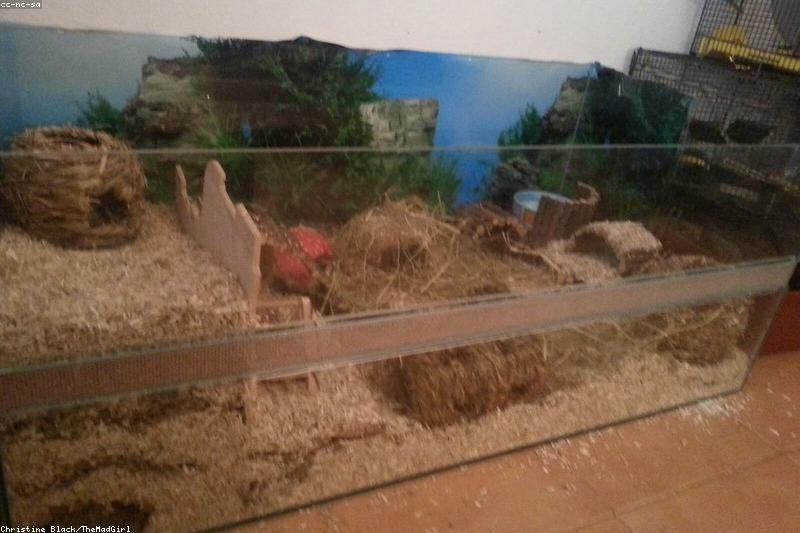
Why Full Cleans Can Backfire
A hamster’s scent trail is its security system. It marks paths, marks its nest, and builds deep burrows in the bedding that took days to shape. Remove every trace of that smell and your hamster has to re-scent and re-dig everything, which is genuinely stressful. Both the Blue Cross and the RSPCA advise keeping some clean, unsoiled bedding and mixing it back in after any bigger clean, so the enclosure still smells familiar. Over-cleaning also destroys food stores, which for a hoarding species is another real loss. The goal is not a sterile cage — it is a clean-enough cage that still smells like your hamster’s own territory.
The Daily Five-Minute Spot Clean
Spot cleaning is where nearly all the hygiene happens. Once a day — ideally in the evening, when your hamster is awake — run through this short list:
- Remove leftover fresh food before it spoils.
- Lift out visibly wet or soiled bedding, especially the toilet corner.
- Check around and under the wheel for urine-soaked substrate.
- Refill the water bottle or bowl and check for leaks into the bedding.
- Sieve the sand bath if your hamster has been using it as a toilet.
- Do a ten-second health glance: normal droppings, normal appetite, bright eyes.
That last point matters more than it sounds. Droppings and appetite are your earliest window into your hamster’s health, and the daily clean is when you see them.
The Deeper Clean: A Realistic Schedule
How often you go deeper depends mostly on enclosure size. A large tank or cage with deep bedding stays fresh far longer than a small one. Use this schedule as a starting point and adjust to your own hamster:
| Task | How often | Key point |
|---|---|---|
| Spot clean | Daily or every few days | Remove waste, keep the rest |
| Wash wheel, bowl and bottle | Weekly | Pet-safe cleaner, rinse well, dry fully |
| Partial bedding refresh | Every 2–3 weeks | Keep about a third of the clean used bedding |
| Full deep clean | Once or twice a month at most | Mix saved bedding back in before returning your hamster |
| Burrow check | Every 2 weeks | Remove only spoiled food and wet patches |
During any deeper clean, move your hamster to a secure carrier with a handful of familiar bedding, and wait until it is naturally awake. Never dig a sleeping hamster out of its nest for cleaning.
Clean Immediately If You See These
A schedule never overrides obvious problems. Act now rather than waiting for cleaning day if you find: bedding saturated by a leaking water bottle, mold or spoiled produce hidden in a store, a sudden strong urine smell, or a hoard of fresh vegetables rotting in a burrow. Deep bedding can hide moisture below the surface, so if the cage suddenly smells different, check underneath before you do anything else.
Bottom line. A well-kept hamster enclosure should smell faintly of hamster — not of perfume or disinfectant. Spot clean daily, deep clean sparingly, and always hand some of the old bedding back. Your hamster keeps its map, its burrows and its sense of home, and you get a cage that never actually gets dirty.