A chinchilla’s teeth are a lifetime maintenance job. Unlike our teeth, they grow continuously — open-rooted, pushing out two to three inches every year — and they only stay healthy if daily life wears them down at the same rate. When chewing cannot keep up with growth, the result is dental disease, and it is one of the most common serious illnesses pet chinchillas face. The encouraging part: the most common form is largely preventable through what goes in the food bowl.
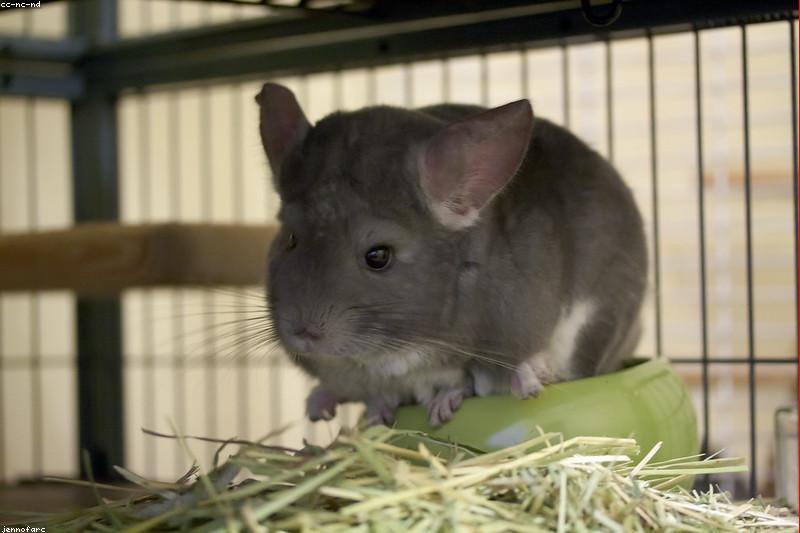
A Mouth Built for Grinding
Wild chinchillas live on coarse, fibrous mountain grasses and spend a huge share of the day chewing them. That constant grinding keeps tooth surfaces level and matched. Pet chinchillas fed mostly soft, crumbly pellets simply do not chew enough, and the teeth grow faster than they wear. Teeth also need to meet correctly: when upper and lower teeth align, they grind each other evenly. When they do not, overgrowth follows.
What Malocclusion Actually Means
Malocclusion means the teeth no longer meet and wear properly. It can affect the visible front incisors and — harder to spot — the molars right at the back of the mouth. Overgrown molars can develop sharp spikes that cut the tongue and cheeks. In advanced cases the tooth roots themselves elongate: upper roots push toward the eye sockets and cause watery eyes, while lower roots grow down through the jawbone, sometimes forming visible lumps along the jawline. This root stage is painful and largely irreversible, which is exactly why early detection matters so much.
Warning Signs Worth a Vet Visit
Chinchillas hide mouth pain well, and many keep eating while the disease advances. Watch for this cluster of signs:
- Drooling — the classic “slobbers” — or a persistently damp, crusty chin
- Wet or stained fur on the front paws from wiping the mouth
- Taking food, then dropping it, or chewing noticeably more slowly
- Suddenly avoiding hay and choosing softer foods
- Gradual weight loss and fewer or smaller droppings
- Watery eyes, a swollen face, or pawing at the mouth
If you see drooling that lasts more than a day, or any combination of the signs above, book an exotic-animal vet visit promptly. A front-teeth glance in an awake chinchilla can miss molar disease entirely, so diagnosis usually means a full oral exam under sedation plus skull X-rays to check the roots.
Prevention Lives in the Food Bowl
The most common form of dental disease in chinchillas is environmental — it comes from husbandry, not genetics. Wild chinchillas do not get malocclusion at anything like the rate captive ones do, which tells you the levers are in your hands:
| Daily habit | How it helps |
|---|---|
| Unlimited grass hay | The single best tooth-wearing food; maximises chewing time |
| Safe wooden chew items | Apple, willow, hazel or pear wood wears the incisors |
| Pellets as a supplement only | Pellets are too soft to wear teeth; never a hay replacement |
| Regular weigh-ins | Gradual weight loss is often the first measurable warning |
Healthy adult chinchilla enamel is a deep dark orange — pale teeth can hint at calcium problems and deserve a vet’s opinion. Rotate a couple of safe chew toys so interest stays high, and check wooden items for splinters or mould.
Bottom line. Hay is toothpaste, chew toys are toothbrushes, and your kitchen scale is the early-warning system. Feed for wear, watch the drool, and act fast on dropped food — caught early, dental problems can be managed before they become chronic pain.
This article is general husbandry information, not veterinary advice. Any suspected dental problem needs an in-person examination by an exotic-animal veterinarian.