If you could teach a parrot only one skill, experienced behavior consultants would almost all choose the same one: target training. The idea is simple. Your bird touches the tip of a stick (a wooden chopstick works perfectly) with its beak and earns a treat. From that one behavior you can guide a parrot onto a perch, into a travel carrier, or across the room without ever grabbing or chasing it. It works even for birds that refuse to step onto a hand, because it builds trust at a comfortable distance first.
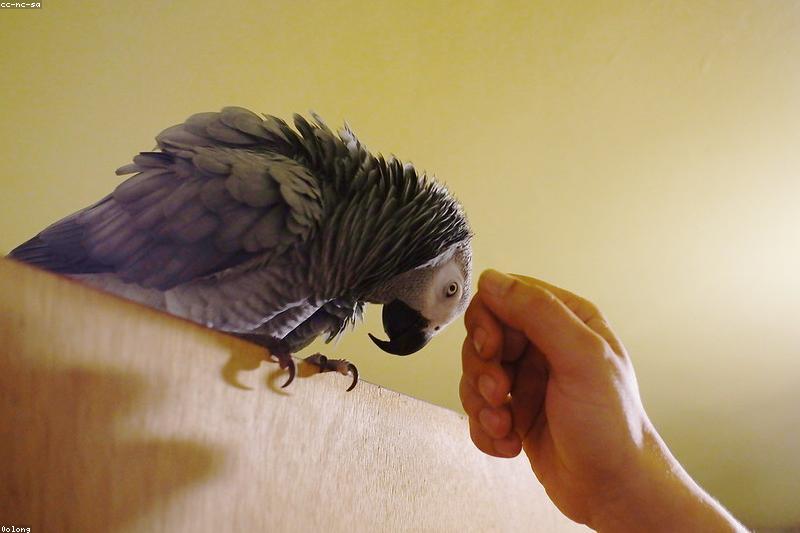
Why Targeting Comes Before Tricks
Targeting gives you a shared language. It builds confidence in shy or rehomed birds, turns vet visits and cage cleaning into cooperation instead of wrestling, and mentally tires a bird in the best possible way; five short minutes of problem-solving can settle a restless afternoon better than an hour of noisy attention-seeking. It is also the gateway skill for everything else, from turn-arounds and recall to calm harness acceptance.
What You Need
- A wooden chopstick or dowel, long enough to keep fingers clear of the beak
- High-value treats cut small: sunflower seed pieces, millet, or a sliver of nut
- A marker word such as Good! or a clicker, chosen once and never changed
- A bird standing calmly on a familiar perch inside or on top of its bird cage
The First Session, Step by Step
- Offer one treat to check motivation. If your bird takes it eagerly and looks for more, continue; if not, try again just before the next meal.
- Hold the chopstick a few centimeters in front of the beak and wait silently.
- The instant the beak touches the tip, say your marker and deliver the treat immediately.
- Repeat five to eight times, then end the session while your bird is still keen. Keep every session under five minutes.
- In later sessions, move the target slightly left, right, higher, then lower so your bird leans or steps to reach it.
- Finally, add distance so your bird walks along the perch, and say Target just before presenting the stick so the word becomes the cue.
Troubleshooting the Common Sticking Points
| Problem | What It Means | Fix |
|---|---|---|
| Bird retreats from the stick | The stick looks threatening | Hold it lower and farther away; feed treats beside it until it predicts good things |
| Bird bites and chews the stick | Normal beak investigation | Present only the tip within reach and reward clean touches |
| One target, then loses interest | Session too long or treat too low-value | Shorten to three minutes and upgrade the reward |
| Will not follow the moving target | Distance grew too fast | Return to the last easy distance and grow it by centimeters, not meters |
From Chopstick to Everyday Handling
Once targeting is reliable, use it for real life. Guide your bird from the cage to a playstand, onto a kitchen scale for a weekly weigh-in, or into the carrier, and follow each touch with the marker and a reward. Keep the reward rate generous at first; within a couple of weeks most parrots will cross a room for their target, and you will own a handling tool that never involves force.
That is the whole point of the exercise: a bird that chooses to cooperate, a household with fewer battles, and a training habit that fits inside a coffee break. Pick up a chopstick tonight and see how far one small stick can take you.