Few sights look happier than a dog in the water, and swimming is excellent low-impact exercise for joints and muscles. It is also behind some of the most preventable emergencies vets see every year. The gaps in most owners’ plans are simple ones: an unwatched pool, a dog that cannot find the steps, or a calm-looking lake that was anything but. A workable plan starts with knowing which dog you have and which water you are standing next to.
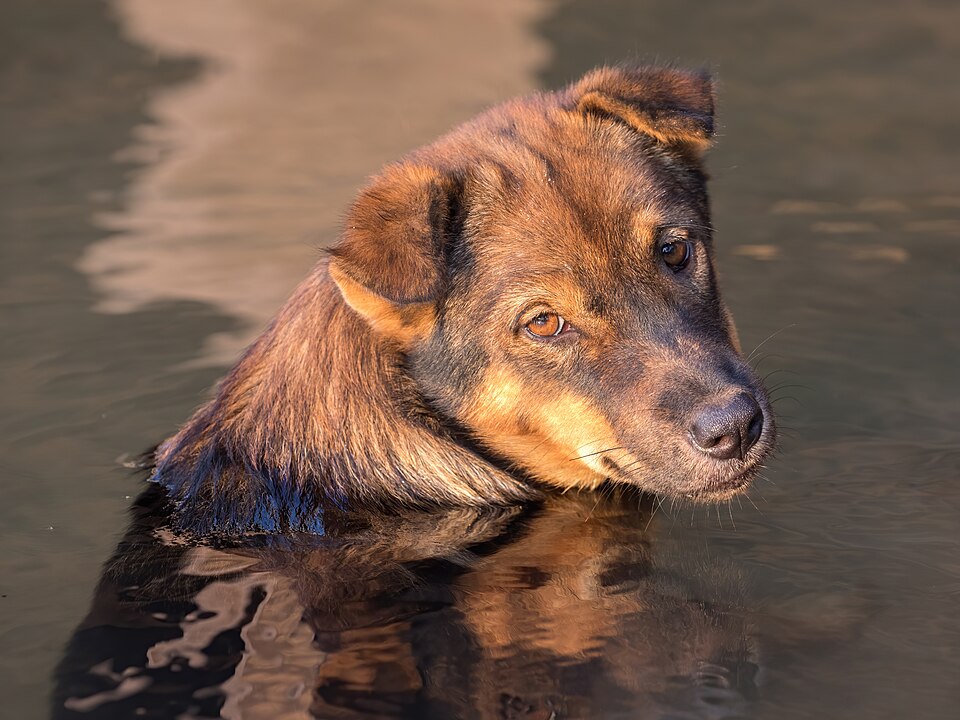
Not Every Dog Can Swim
Dogs paddle instinctively, so owners assume they can swim. Paddling is not swimming. Some dogs never manage to keep their head above water, and heavy, short-legged, and flat-faced breeds struggle most. Bulldogs and pugs have heads that ride low and airways that already work hard, so they can tire within minutes. Senior dogs, overweight dogs, and dogs with arthritis, heart disease, or epilepsy all carry extra risk in the water, so ask your vet before the first swim.
Never throw a dog into a pool to teach it. Start in the shallows, support the chest, and let the dog leave the water whenever it wants. A dog that dislikes swimming can still enjoy the shoreline, a shared float, or a shallow kiddie pool on a hot day.
Gear That Prevents the Worst
A properly fitted canine life jacket is the single most useful item for any dog that is not a proven strong swimmer. Look for bright colors and a sturdy handle on the back so you can lift the dog straight out of the water. Fit matters: snug enough not to slip, loose enough to breathe and move. It should stay on for the whole boat trip, not just the swimming part.
- A pool ramp or wide steps, and a dog that has actually practiced using them.
- A fence or safety cover so unsupervised pool dips never happen.
- Floating toys rather than sinking ones that tempt dogs into deep water.
- Fresh drinking water, so the dog is less tempted to lap from the pool or lake.
Every Water Type Has Its Own Hazard
| Water | Main hazards | What to do |
|---|---|---|
| Pool | No visible exit; chlorine tablets | Teach the exit route; fence it; lock chemicals away |
| Lake or river | Blue-green algae, currents | Skip scummy or foamy water; keep a leash on |
| Ocean | Saltwater drinking, riptides | Offer fresh water; watch waves and undertow |
| Boat or dock | Falls overboard | Life jacket on the whole time; carry a first aid kit |
Blue-green algae deserve special respect. Blooms in warm, stagnant water produce toxins that can sicken or kill a dog in hours, and a very small swallowed amount is enough. Avoid water that looks green, scummy, or paint-like, and check local advisories before you go.
The Habits That Do Most of the Work
- Stay in arm’s reach whenever the dog is in or near water, even for strong swimmers.
- Give real breaks. Swimming is hard work, and tired dogs sink quietly.
- Rinse the coat with clean water after every swim to remove chlorine, salt, and debris.
- Dry the ears thoroughly, and ask your vet about a drying rinse if your dog gets swimmer’s ear. Keep the leptospirosis vaccine current.
Learn the signs of trouble: heavy panting, struggling to stay afloat, disorientation, or vomiting after swallowing seawater. Any of those means the swim is over and a vet visit is probably next.
The takeaway. Safe water time is mostly supervision plus two purchases: a life jacket and an exit the dog knows how to use. This article is general guidance, not veterinary advice; a dog that has swallowed lake or sea water, or shows breathing trouble after swimming, needs a vet now.