A wet, matted eye in a rabbit looks minor. It is one of those symptoms owners tend to monitor for a week, expecting an allergy or a bit of dust. In rabbits a persistently runny eye almost always has a mechanical cause, most often a blocked tear duct or the inflammation around one called dacryocystitis. Both need a rabbit-savvy vet, and neither improves much on its own.
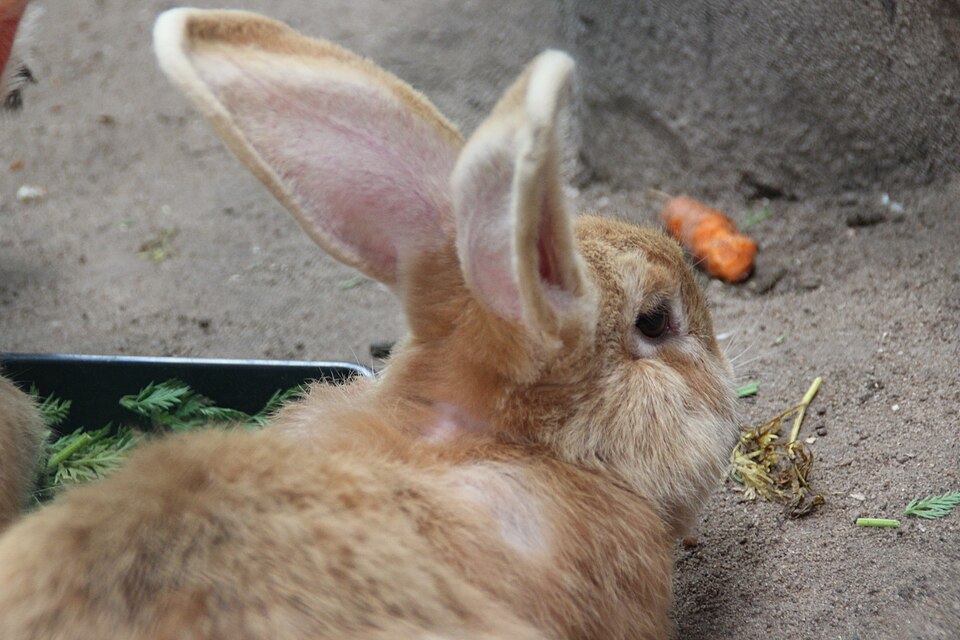
Rabbits have only one tear drainage route: a single duct that runs from the inner corner of the eye down through the skull, passing directly beside the roots of the upper cheek teeth. When those roots overgrow or a root becomes infected, the duct gets squeezed from the outside. Tears stop draining, overflow down the face, and the trapped fluid becomes a warm broth for bacteria.
What You Will Actually See
- Tears overflowing and crusting at the corner of one eye, usually just one side
- Damp, matted fur below the eye that smells faintly sour
- White or yellowish paste squeezed from the tear duct when the area is gently pressed
- Swelling or a firm bulge below the inner corner of the eye
- Eye rubbing with a front paw, or reduced appetite if the tooth roots hurt
The discharge in dacryocystitis is typically thick and pus-like rather than watery, and it returns within hours of wiping it away. A rabbit hutch that stays dry and well ventilated supports recovery, but no bedding change will reopen a blocked duct.
Dental Disease or Duct Problem? Usually Both
This is the part that catches owners off guard: most blocked ducts in rabbits are secondary to dental disease, so the eye is the messenger, not the whole problem. Vets usually work through the following in one visit:
| Check | What it rules in or out |
|---|---|
| Fluorescein stain | Confirms whether the duct is really blocked |
| Skull X-rays or CT | Shows overgrown or abscessed tooth roots |
| Oral exam under sedation | Finds spurs, molar disease or abscesses |
| Culture of the discharge | Chooses the right antibiotic |
What Treatment Involves
Treatment has two tracks, and both matter. The duct itself is flushed, often repeatedly over several visits, to reopen the passage and wash out the trapped pus. Meanwhile the underlying cause gets fixed — molar spurs are filed down, an abscessed root is treated or extracted, and a course of antibiotics chosen from the culture goes home with your rabbit. Care at home is straightforward but unglamorous: keep the face clean and dry, wipe the fur gently with warm water, watch that the eye stays bright, and make sure hay intake never drops. Pain relief prescribed by the vet helps your rabbit keep eating while the mouth heals.
Why You Should Not Wait
A blocked duct left alone tends to escalate. The sac around it can abscess, the skin over the face can break down, and chronic dental pain quietly reduces food intake until gut stasis follows. Rabbits hide discomfort well, and by the time they stop eating, the situation is already advanced. An eye that waters for more than a day or two deserves an appointment, not another week of watching. With prompt flushing and dental care, most rabbits keep the eye and make a full recovery.
This article is general information, not veterinary advice. A bulging, swollen eye or a rabbit that stops eating is an emergency — contact a rabbit-savvy vet the same day.