Some cats act hungry, pace around the food bowl, then walk away without eating. Others scoop kibble onto the floor or demand food, then leave it. Before assuming a picky eater or a behavior problem, consider a quieter culprit: the bowl itself. Vets call the suspected effect whisker fatigue — whisker sensory overload — and while research on it is still thin, the fix is so cheap that trying it costs nothing.
What Whisker Fatigue Actually Means
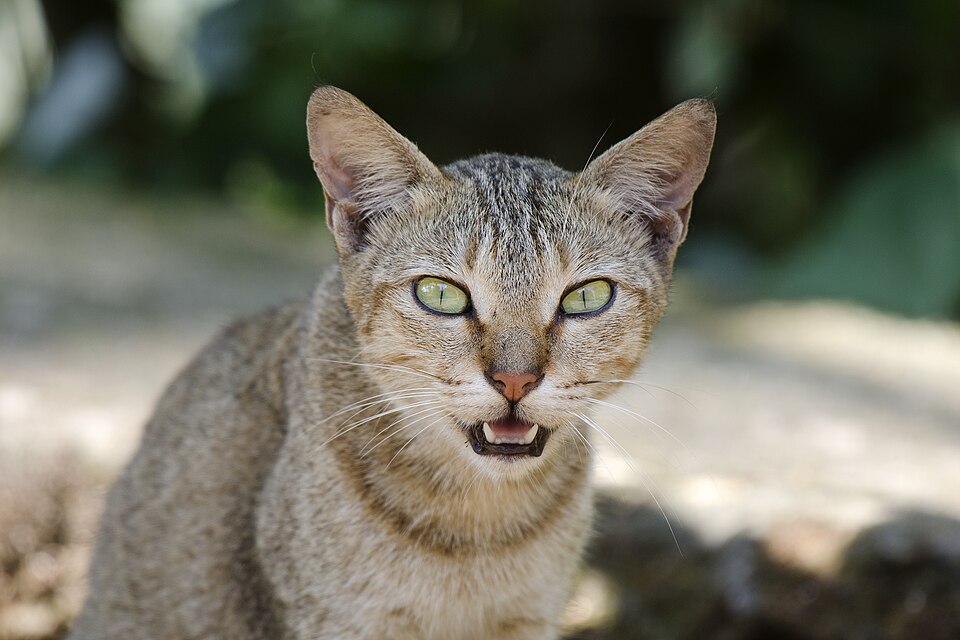
A cat’s whiskers are not decoration; they are densely packed touch receptors rooted three times deeper than ordinary fur, able to detect air movement and measure gaps. When a cat eats from a deep, narrow bowl, those supersensitive hairs brush the sides with every bite. The theory is that this constant stimulation stacks up into genuine discomfort or stress at mealtimes. The evidence is mostly anecdotal — no large clinical study has confirmed the condition — but vets broadly agree that repeatedly overstimulating whiskers can distress cats, and that bowl-averse behavior is common.
Signs You Notice at the Bowl
- Approaching food eagerly, then hesitating or pacing beside the dish.
- Pawing or scooping food out of the bowl to eat it off the floor.
- Eating only from the center, leaving the sides and bottom untouched.
- Acting grumpy or aggressive around mealtimes or at the water bowl.
- Preferring to drink from a dripping tap, the shower, or a wide fountain.
The Fix Is Usually the Dish
Swap deep bowls for a wide, shallow dish — many keepers simply use a small plate. The goal is a dish where the whiskers never touch the sides. For water, choose a wide, low-rimmed bowl or a fountain with a broad basin; flowing water also encourages cats to drink more, which supports kidney health. Keep bowls away from walls so the whiskers are not pinched against a corner, place food and water apart, since many cats dislike drinking next to their food, and expect a fussy cat to need a few meals before it trusts the new dish.
When It Is Not the Bowl
Bowl experiments are the easy first step, but they are not a diagnosis. Dental pain, nausea, kidney disease, and gastrointestinal problems can all look identical to whisker fatigue at the dish, and cats that eat less are at risk of serious secondary illness within days. If your cat refuses food entirely, loses weight, drools, or keeps avoiding the bowl after you have switched dishes, see your veterinarian promptly. Cats are famously good at hiding pain, so a cat that tells you something is wrong has usually been uncomfortable for a while.
One Thing Never to Do
Whatever the mealtimes look like, never trim a cat’s whiskers — not to fix bowl stress, not for tidiness, not for anything. Whiskers are sensory equipment, and cutting them blinds and disorients a cat in its own home. The right response to whisker trouble is a flatter dish and a bit of patience, and most cats settle into calm, tidy meals within days of the switch.