You walk into the living room and find the corner of the sofa unstuffed, one shoe amputated, and your dog looking — depending on your imagination — either guilty or immensely proud. Destructive chewing is frustrating, but here’s the reframe that changes everything: chewing isn’t misbehavior. It’s a normal, self-rewarding dog behavior that serves real needs — exploring the world, relieving teething pain, burning energy, easing stress. The goal isn’t to stop chewing. It’s to teach your dog what to chew, and make the right answer easy and rewarding.
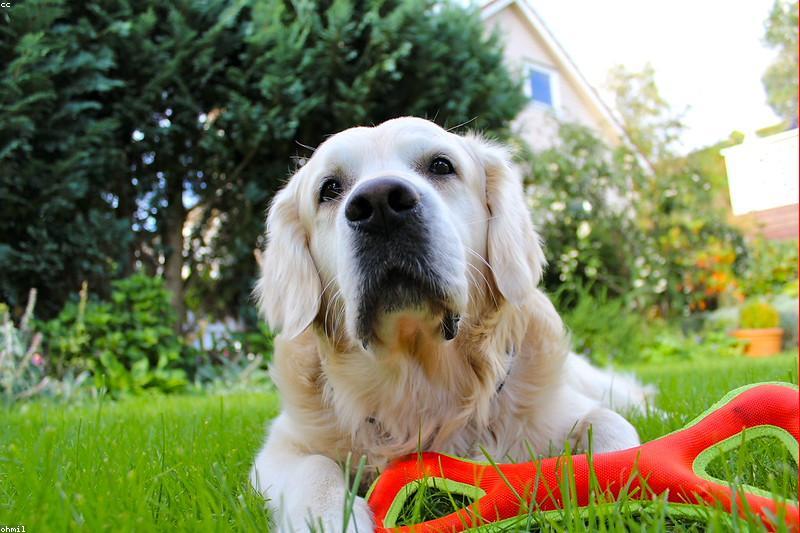
Why Dogs Chew (and Why Punishment Backfires)
Most destructive chewing traces back to one of four causes:
- Teething — puppies between roughly three and six months chew to relieve sore gums
- Boredom / excess energy — an under-stimulated dog invents their own job
- Anxiety or stress — especially chewing that targets doors, window frames, or your belongings while you’re out
- Exploration — dogs learn about objects with their mouths, especially juveniles
This is why scolding after the fact doesn’t work: dogs connect punishment to your presence, not to the chewed sofa. Trainers consistently observe that punished dogs don’t stop chewing — they just chew secretly when you’re not around, and the trust between you takes a hit. Positive methods, by contrast, teach a clear alternative and actually strengthen your relationship.
Step One: Puppy-Proof Like It’s a Toddler’s Home
Management is half the cure. Every failed chew attempt is a rehearsal of the habit, so remove the rehearsal:
- Pick up shoes, socks, remote controls, and kids’ toys — anything with your scent or an interesting texture
- Tuck away cords and cables, or cover them with cord protectors
- Use taste deterrent spray (bitter apple) on furniture legs and baseboards
- When you can’t supervise, use a playpen, a gated room, or a crate your dog already loves
Step Two: Build a Chew-Toy Rotation
Your dog needs a menu of legal chew options with different textures and difficulty: rubber stuffable toys, rope toys, dental chews, and for teething puppies, frozen rubber toys that soothe sore gums. Rotate them every few days so nothing gets boring, and upgrade the difficulty gradually. A stuffed, frozen rubber toy given during your departure turns alone-time from a demolition project into a long, satisfying snack.
Step Three: Redirect and Reward — the Core Loop
The moment you catch your dog chewing something off-limits, run this loop calmly:
- Interrupt gently. A soft “ah-ah” or a light clap — never a scare.
- Swap immediately. Offer an approved chew toy right where the forbidden item was.
- Pay generously. The second they chew the right thing: praise, a treat, or a quick game. Chewing the toy should pay better than chewing the chair ever did.
- Practice a trade game. Teach “drop it” by offering a treat in exchange for the toy, then returning the toy. Your dog learns that giving things up is profitable — which also protects you from future resource guarding.
Step Four: Treat the Cause, Not Just the Symptom
Redirection works best when the underlying need is met:
| Root cause | What actually helps |
|---|---|
| Teething discomfort | Frozen chew toys, chilled carrots, extra gentle redirection during flare-ups |
| Boredom | Daily walks plus sniff time, puzzle feeders, two short training sessions a day |
| Pent-up energy | Fetch, tug, sniffy walks before quiet periods — a tired dog chews less |
| Anxiety when alone | Gradual alone-time training, stuffed toys at departures; ask a pro if destruction is severe |
When Chewing Means “Call in Help”
If chewing is intense, targeted at exits, happens only when your dog is alone, or comes with drooling and pacing, you may be seeing separation anxiety rather than a chewing habit — and that calls for a structured desensitization plan, ideally with a certified professional. Likewise, sudden chewing in an adult dog deserves a vet check to rule out pain or dental problems. For everyone else: consistency wins. Most households see major improvement within two to four weeks of tidy management, a rotating toy menu, and enthusiastic payment for chewing the right things. Your sofa will thank you.