A rabbit that suddenly holds its head sideways, listing like a tiny ship in rough water, has a condition called torticollis, or wry neck. In photos it can look almost comical. In reality it is one of the most important warning signs in rabbit medicine, because the balance system itself is under attack. The two conditions behind most cases are treatable, and the window to start matters.
What the Tilt Is Telling You
Deep inside each ear sits the vestibular system, a set of fluid-filled structures that tells the brain which way is up. When infection or inflammation disrupts one side, the two ears send mismatched signals, and the brain reads the world as permanently tilted. The rabbit compensates by turning its head. Some rabbits only tilt; others circle, roll, flick their eyes side to side, or stop eating entirely. A rabbit that is eating normally has a much better outlook than one that is not, which is why appetite is one of the first things a vet will ask about.
Cause One: Middle or Inner Ear Infection
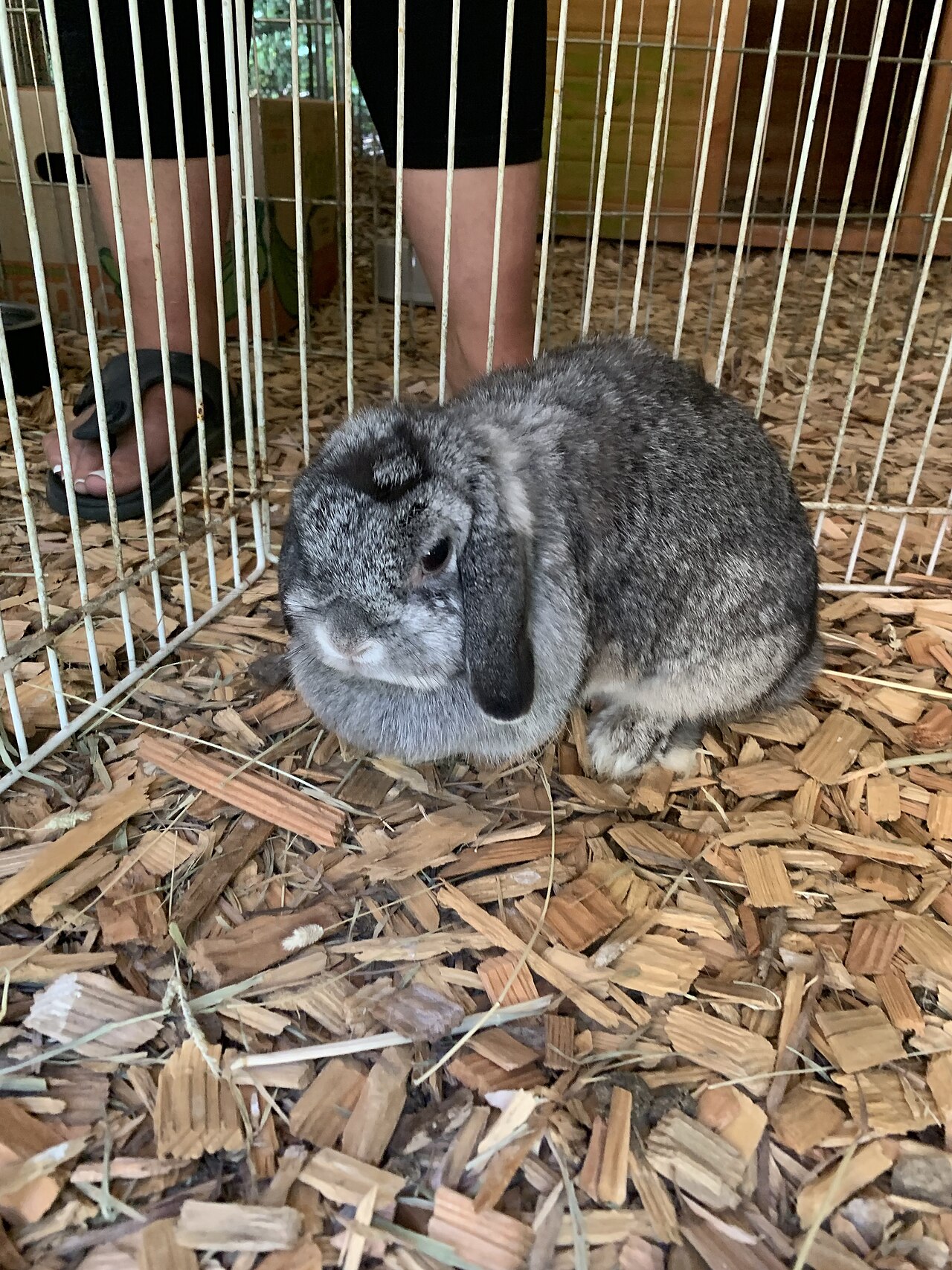
The most frequent culprit is a bacterial infection, usually Pasteurella multocida, climbing inward from the nasal passages or the outer ear. Rabbits with a history of snuffles or waxy ears are at higher risk, and lop-eared breeds are structurally more vulnerable because their folded ear canals trap debris. These infections are genuinely hard to clear: the bacteria sit behind bone where antibiotics penetrate poorly, so treatment often runs four to six weeks or longer, sometimes with ear flushes under anesthesia. Some deep cases eventually need surgery, but many stabilize on long, patient courses of the right antibiotic.
Cause Two: E. cuniculi, the Hidden Parasite
The second major cause is Encephalitozoon cuniculi, a microscopic parasite that an estimated third of pet rabbits carry. Most carriers never get sick, but stress, illness, or age can wake the parasite, and it then attacks the brain, kidneys, and eyes. When it inflames the balance centers, the result is exactly the tilt described above. Treatment is a course of fenbendazole, typically about four weeks, combined with anti-inflammatory medication. Blood tests can only prove exposure, not active disease, so vets often treat for both the parasite and bacteria at once rather than waiting for certainty.
Nursing a Wobbly Bunny at Home
Whatever the cause, the home side of care is the same, and it is more than half the battle:
- Move the rabbit to a single-level, padded space so falls cannot cause injury; a roomy rabbit hutch with the ramp removed works well during recovery.
- Offer low-entry litter boxes and shallow food bowls, since hopping is suddenly difficult.
- Syringe-feed a rabbit that is not eating, because even twelve hungry hours can trigger gut stasis.
- Turn a rabbit that cannot right itself every few hours, and lubricate the eyes if the blink reflex is weak.
- Keep bedding clean and dry to prevent urine scald, which arrives quickly in unsteady rabbits.
Prognosis is genuinely encouraging. Many rabbits recover fully, and most of the rest adapt to a mild permanent tilt and live normal, happy lives. A lasting tilt is not, by itself, a reason to give up. What decides the outcome is speed: a rabbit that starts treatment days after the tilt appears does far better than one that waits weeks. So photograph the tilt if you like, but take the photo straight to a rabbit-savvy vet.