One week your planted tank looks pristine. Three weeks later, dozens of tiny snails graze every surface, egg clutches dot the glass, and you are wondering where it all went wrong. Snail overpopulation is the most common hitchhiker problem in the hobby — and the counterintuitive truth is that the snails are not the problem. They are the message.
The Population Explosion Is About Food, Not Snails
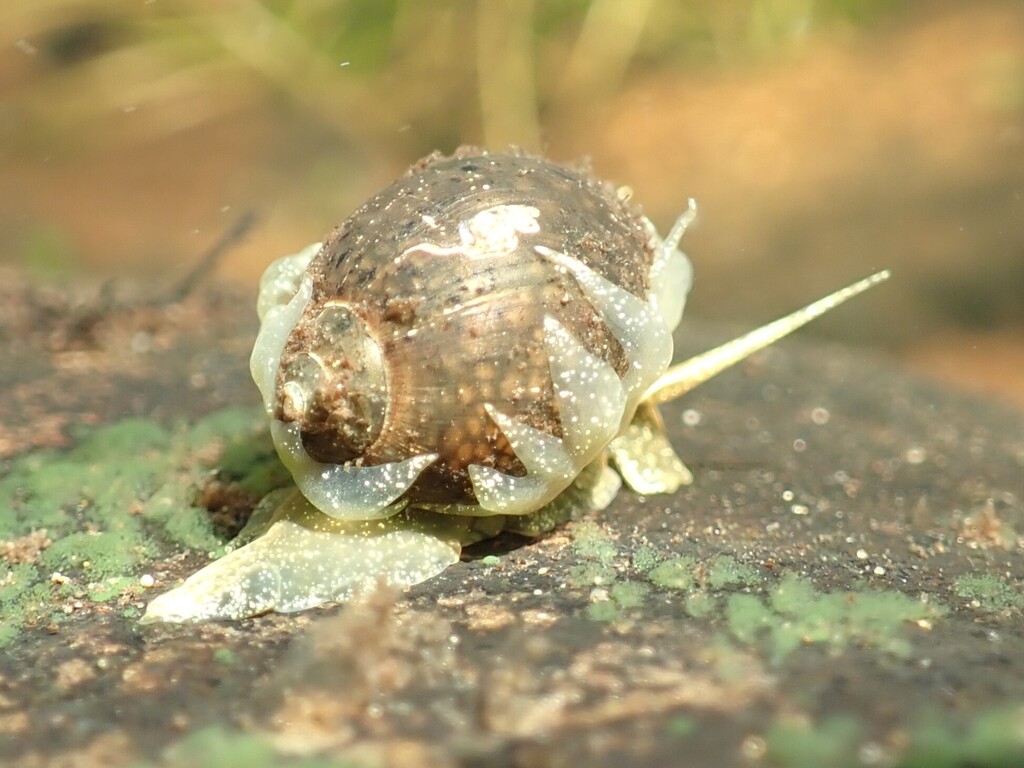
Bladder snails, pond snails, and Malaysian trumpet snails ride into tanks on plants and decorations. They breed slowly when food is scarce and explosively when it is abundant, which is why a population surge is a reliable indicator of excess nutrients: overfeeding, decaying plant matter, or detritus building up in the gravel. Your aquarium filter does not remove any of this; the snails are simply harvesting what you leave behind.
This reframing matters because it tells you where to work first. Destroy every visible snail and, as long as the food supply remains, the population rebounds within weeks.
Step One: Starve the Population
The most effective long-term control costs nothing:
- Feed less. If food reaches the substrate uneaten, you are feeding snails. Offer only what fish finish in about two minutes.
- Vacuum the substrate thoroughly at every water change to strip out detritus.
- Trim dead leaves promptly — decaying plant matter is prime snail food.
- Remove visible egg clusters (clear jelly blobs on glass and leaves) before they hatch in one to two weeks.
With the food supply cut, numbers self-regulate and decline naturally. Most tanks reach a stable, barely noticeable level within a few weeks.
Knockdown Tools: Traps and Manual Removal
For a fast initial dent, trap them. Drop a piece of blanched zucchini, cucumber, or lettuce on a small dish before lights-out; by morning it will be covered in snails, and you lift the whole buffet out. Repeat nightly for one to two weeks. Commercial one-way traps work about the same. A gravel vacuum during water changes also siphons Malaysian trumpet snails out of the substrate — go in first thing in the morning, when they are still near the surface.
Biological Control: Assassin Snails and Snail-Eating Fish
Assassin snails (Clea helena) are the classic biological solution: attractive, banded predators that hunt small pest snails. Start with two or three per 40 liters. They work slowly — expect visible decline over two to three months — and they breed so slowly themselves that you will not trade one infestation for another. Once pest snails run out, they scavenge fish food.
Snail-eating fish exist, but choose for the tank, not the problem: pea puffers need species-only setups, and clown loaches grow to 25–30 centimeters and require very large tanks. Adding a fish you cannot house long-term to solve snails is swapping one mistake for a bigger one.
What to Avoid
Copper-based snail killers are effective and almost always a mistake. Copper is lethal to every invertebrate — shrimp, ornamental snails, beneficial microfauna — and it absorbs into silicone and substrate, leaching back for months. A mass snail die-off can also spike ammonia and crash the cycle. Complete teardowns are equally counterproductive: you destroy your biological filtration and the surviving eggs recolonize anyway. The quiet combination of less food, nightly traps, and a few assassins will clear the visible snails without risking the tank — and leave you a cleaner aquarium than you had before the invasion.