Few things are as disappointing as a song canary that goes quiet. The good news: silence alone is rarely an emergency. Canaries stop singing for several normal, seasonal reasons — and for a couple of dangerous ones. Reading the whole bird, not just the soundtrack, tells you which situation you are in.
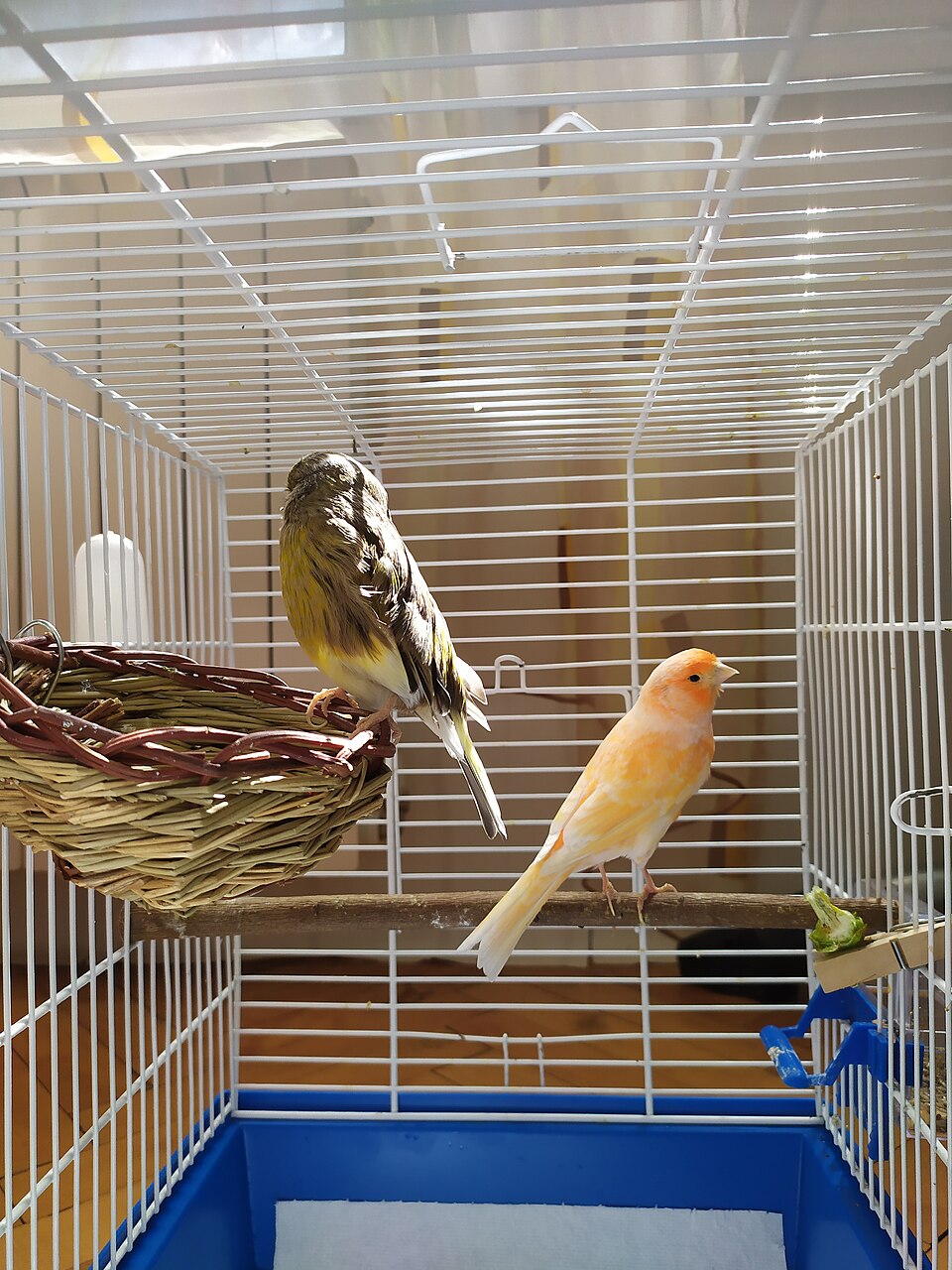
First: Is Your Canary Actually a Male?
Only male canaries produce the long, complex song the species is famous for. Hens chirp, call, and may sing short bursts, but they almost never develop a full repertoire. If your bird has never truly sung since it settled in, or if it starts nesting or lays an egg, you likely have a female — and no amount of care will turn her into a tenor. Sex is hard to judge by looks alone, so treat song history as your best clue.
The Molt: The Most Common Cause
Once a year, usually in late summer, a canary replaces every feather on its body. This annual molt lasts six to eight weeks and demands so much energy that most males simply stop singing. The bird may look ragged and irritable; this is normal. Help it through with extra protein — egg food and sprouted seeds — and resist any temptation to force song. Once the new feathers are in, singing usually returns within a few weeks, often stronger than before.
Light, Stress, and the Season
Canary song runs on daylight. During the singing season, birds do best with roughly 12 to 14 hours of light a day and a solid block of undisturbed darkness at night. Constant artificial light confuses the hormonal calendar and can even trigger a molt out of season. Stress silences song just as fast: a recent move, a new pet in the room, loud traffic, or a cage placed in a busy walkway can all shut a male up for a week or two while he decides he is safe. Curiously, adding a mirror or a female can briefly boost song and then suppress it — and two males in one cage fight until neither sings. A calm room, a cage set against a wall, and a steady routine do more than any tonic.
When Silence Means Sick
A canary that stops singing without molting, and without any household change, may be hiding illness — birds mask sickness until they cannot. Judge silence alongside appetite, posture, and energy.
- Sitting fluffed up on the floor or perch for long stretches
- Not eating, or drinking far more than usual
- Open-mouth breathing, clicking sounds, or tail bobbing with each breath
- Weight loss, weakness, or droppings that change dramatically
Any of these alongside silence means call an avian vet the same day. Air-sac mites, respiratory infections, and other small-bird illnesses progress quickly, and a bird that still eats and moves normally while quiet needs patience, not panic.
In short: check the calendar, check the lights, check the household, and check the bird. Most silent canaries are molting, adjusting, or simply female — and given calm, good food, and the right light cycle, the song usually comes back on its own.