The crop is a storage pouch at the base of a bird’s neck where food softens before moving on to the stomach. In a healthy bird it fills after a meal and empties steadily over the next few hours. Crop stasis, often called sour crop or slow crop, is when emptying stalls. Food sits and ferments, and that warm, stagnant soup becomes a perfect growth medium for yeast, especially Candida, and bacteria. It is most common in hand-fed chicks, but adult birds can develop it too when illness, dehydration, or disease slows the gut. Crop stasis is a genuine emergency: untreated, it can progress to systemic infection and death.
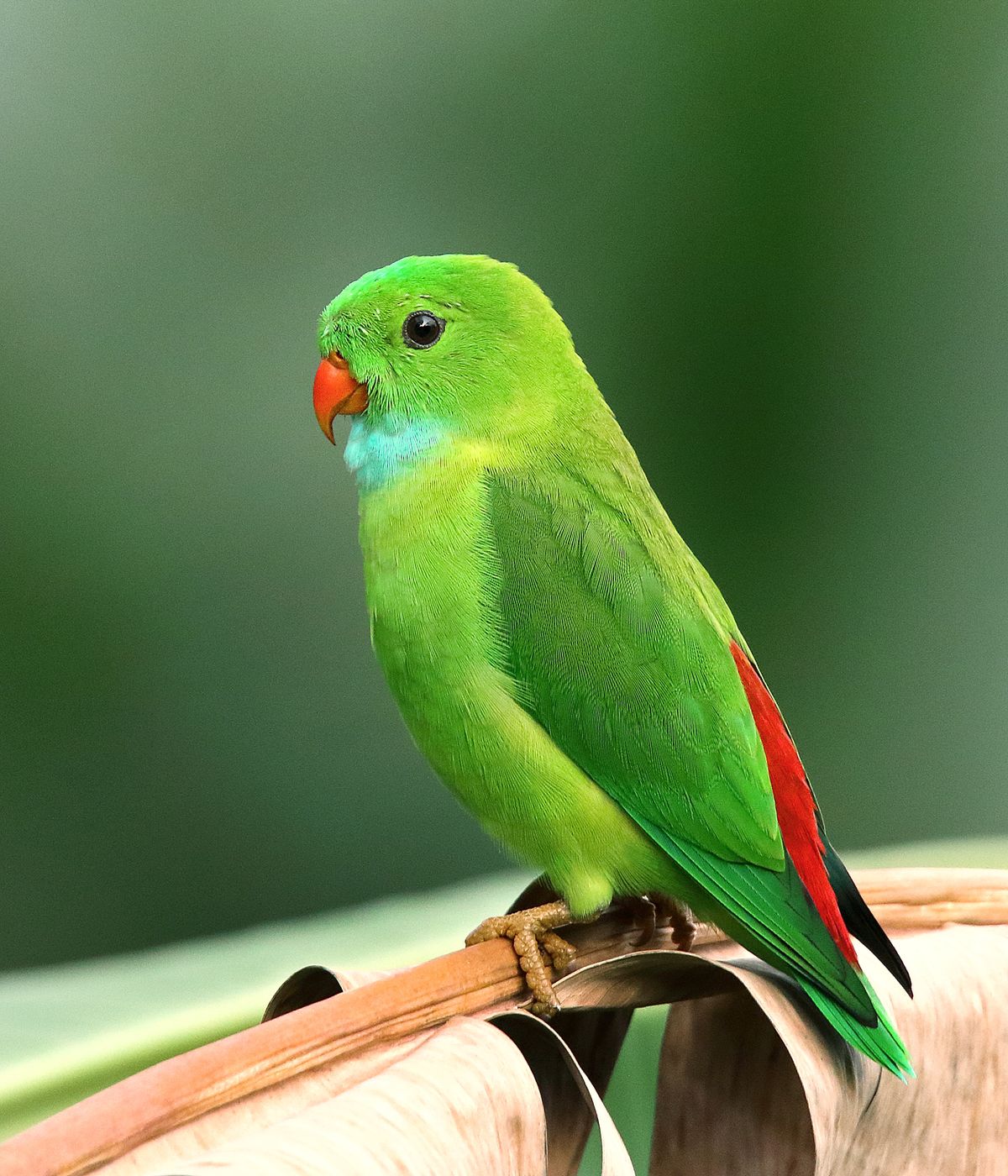
Signs of Crop Stasis
The classic warning is a crop that stays full far longer than it should: a chick’s crop should empty completely between feeds, and an adult bird’s overnight. Feel gently with your fingertips; a normal crop is soft and drains, while a stagnant crop feels doughy, saggy, or unusually firm. Birds may regurgitate or vomit, and a sour or foul smell from the beak is a hallmark of fermentation. Watch also for fluffed-up posture, sitting low on the perch or cage floor, loss of appetite, dehydration shown by wrinkled skin around the eyes and legs, and weight loss or a chick that stops gaining.
When to See a Vet
Treat any crop that has not emptied on schedule as urgent. One critical rule: never keep feeding a bird whose crop is still full, because adding more food to a stalled crop makes everything worse. Do not try to make the bird vomit or hold it upside down, which can push sour contents into the airways and cause fatal aspiration pneumonia. Contact an avian veterinarian, or your regular vet for a referral, the same day.
Common Vet-Directed Treatments
Treatment starts by identifying and removing what is in the crop. A vet may perform a crop wash or aspirate, taking a sample for microscopy and culture to show whether yeast, bacteria, or parasites are involved. In severe cases the spoiled contents are flushed out or manually removed under professional care, because a full crop cannot be safely emptied at home. Supportive treatment includes fluids to correct dehydration, warmth, and antifungal medication such as nystatin for Candida or antibiotics for bacterial overgrowth. Prokinetic drugs can help restart crop motility, and impacted crops, foreign objects, or crop burns from overheated hand-feeding formula may need surgery.
Home Care During Recovery
- Keep the bird warm and quiet; sick birds burn precious energy staying warm.
- Give only the foods and dilute feeding plan your vet prescribes, resuming normal thickness gradually as the crop drains.
- Finish the full course of antifungal or antibiotic medication even when the bird looks better.
- Scrub syringes, feeding spoons, and bowls after every use, and discard mixed formula promptly.
- Weigh the bird daily on a gram scale during recovery; steady weight is the best progress marker.
Prevention
Most cases trace back to feeding management. Prepare hand-feeding formula at the correct temperature, around 105 degrees Fahrenheit or 40 degrees Celsius, stir thoroughly to avoid hot spots, and never microwave without checking. Feed amounts matched to the chick’s age, and never top up a crop that has not emptied. Keep everything that touches food clean, provide fresh water, and avoid letting chicks ingest bedding. Routine weigh-ins and daily crop checks catch a slowing crop hours before it becomes a crisis, and that early window is exactly when treatment works best.
Disclaimer: This article is for educational content only and is not a substitute for professional veterinary advice. If your pet is unwell, please contact a licensed veterinarian promptly.