The tank light that stays on all evening — or all night — is one of the most common quiet stressors in home aquariums. Fish do not have eyelids and cannot block light when they want to rest, so a tank that never goes dark produces fish that never truly rest. A predictable day-night cycle is one of the cheapest upgrades in fishkeeping: it costs a timer, and it pays off in fish health, behavior, and far less algae.
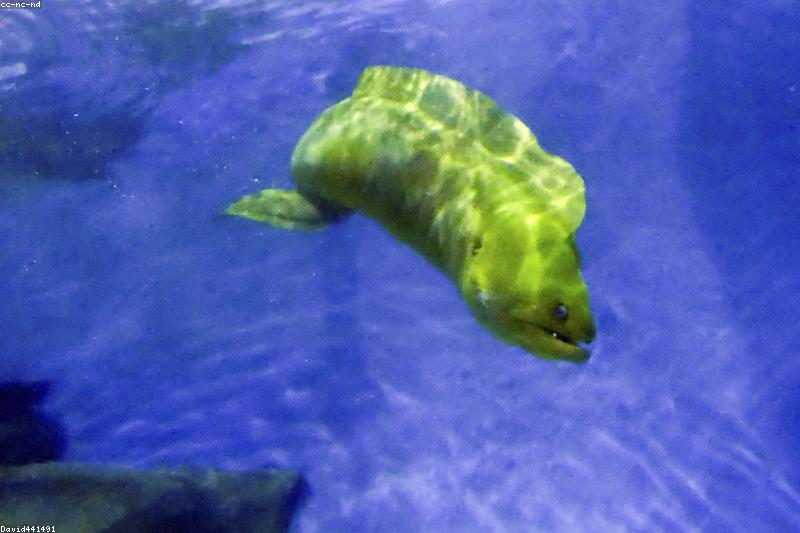
Fish Sleep Differently — but They Still Need Dark
Most aquarium fish enter a rest state after lights out: they reduce activity, metabolism drops, and they shelter near plants, decor, or the substrate. Without a reliable dark period, research on fish such as zebrafish shows slower growth, disturbed behavior, and chronic stress. Constant light also suppresses the immune system and can wash out coloration over time, leaving bright fish looking pale and jumpy.
How Many Hours of Light Does Your Tank Need?
| Tank type | Recommended light per day | Notes |
|---|---|---|
| Fish-only tank | 6–8 hours | Any basic aquarium LED is enough |
| Low-tech planted tank | 8–10 hours | Anubias, Java fern, crypts thrive here |
| High-light aquascape | 10–12 hours | Balance light with CO2 and nutrients |
| Night period | 8–10 hours darkness | Non-negotiable for rest and algae control |
Plug the light into a simple timer — morning on, evening off — and keep the schedule identical every day. Fish thrive on routine; a light that switches on at 6 a.m. one day and 10 a.m. the next confuses their internal clocks.
What Too Much Light Actually Costs You
- Algae blooms. Algae photosynthesize more efficiently than most aquarium plants under long photoperiods. Green water and dust algae on the glass are usually a lighting-schedule problem, not a fertilizer problem.
- Chronic stress. Fish that hide constantly under bright light or show restless, aggressive behavior often calm down within days of a shorter photoperiod.
- Faded fish. Continuous light can bleach pigmentation; colors deepen again once a real night returns.
- Stressed plants. Even plants need a dark period to complete metabolic processes — 24-hour lighting produces weaker growth, not faster.
What About Moonlight and Blue LEDs?
The blue “moonlight” mode on modern LED fixtures is fine for an occasional look at nocturnal residents like plecos or kuhli loaches, but it should not replace true darkness every night. If you enjoy watching the night shift, keep moonlight sessions short and dim, and let the tank go fully dark for the rest of the night.
A Five-Step Night-Cycle Setup
- Buy a plug-in light timer (the same kind sold for lamps).
- Set 8–10 hours of light matched to when you are home to enjoy the tank.
- Turn the light off — do not leave it on for late-evening TV in the same room.
- Dim the room gradually if your light supports it, mimicking sunset.
- Reassess after two weeks: less algae, calmer fish, and steady feeding behavior mean the schedule is right.
Turning the tank light off at night feels almost too simple to matter, but it is the closest thing fishkeeping has to a free health intervention. Give your fish a real night, and most mysterious problems — from algae to aggression — start resolving on their own.