Axolotls look like a beginner’s dream pet: no walks, no shedding, no noise, and that permanently smiling face. In reality they are an intermediate-level aquatic animal with very specific requirements, and almost every serious health problem they develop traces back to one of three things — water that is too warm, substrate they can swallow, or a tank that was never cycled. Get those right and an axolotl can live 10 to 15 years.
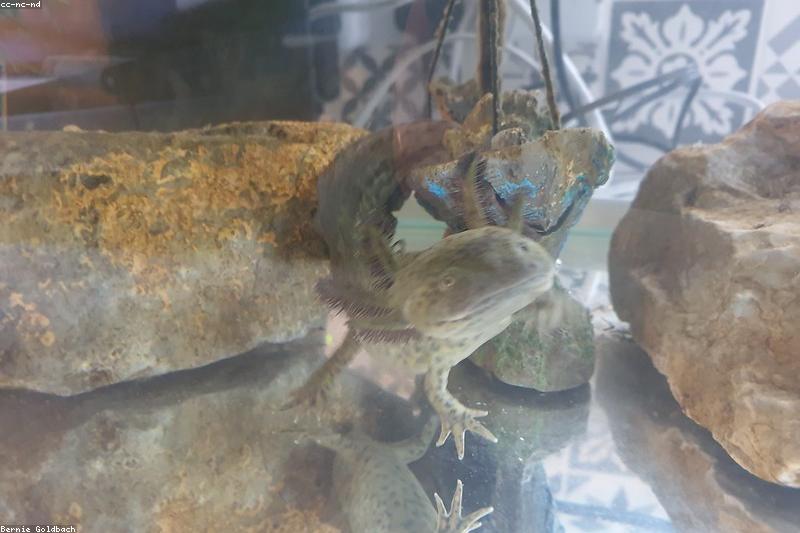
Tank and Water: The Numbers That Matter
| Parameter | Target |
|---|---|
| Tank size | At least 75–100 litres (a 20-gallon long) for one adult; add roughly 30 litres for each additional axolotl. Floor space matters more than height |
| Temperature | 16–18°C ideal, and never above 20°C — warm water lowers oxygen and invites fungus |
| pH | 6.5–8.0, and above all stable |
| Ammonia and nitrite | 0 ppm |
| Nitrate | Under 20–40 ppm |
| Cycling | Fully cycle the tank for around two weeks before the axolotl moves in |
| Filtration | Gentle sponge filter or a canister with the outflow baffled — axolotls are stressed by strong current |
| Lighting | No UVB required; dim ambient light only, and never direct sunlight |
Substrate: Why Gravel Is a Real Risk
Axolotls feed by suction, and they vacuum up whatever sits next to their food — including pebbles. Ingested gravel causes impaction, which can require surgery. The safe choices are a bare-bottom tank, which is also the easiest to keep clean, fine sand for adults with grains smaller than the animal’s waste, or large fist-sized river stones too big to swallow. The old claim that gravel helps digestion because birds use grit is simply false: an axolotl is not a bird, and its gut cannot pass stones. Sharp-edged decorations and gravel of any small size should stay out of the tank.
Feeding an Axolotl
- Earthworms or nightcrawlers are the best staple for adults — high protein and soft
- Axolotl or carnivore pellets make a convenient second option; soak hard pellets before offering
- Bloodworms and blackworms work as occasional treats, not as the whole diet for an adult
- Juveniles eat daily; adults eat two to three times a week
- Target-feed with tongs to reduce mess and accidental substrate swallowing, and remove leftovers within about 15 minutes
- Skip feeder fish: they can carry disease, nip at gills, and are hard to supervise
- Monotonous diets risk deficiencies, so rotate foods rather than feeding one item forever
Cooling and Weekly Maintenance
- Test water regularly and change 20 to 30 percent weekly with dechlorinated water at the same temperature
- Siphon waste from the bottom and wipe the biofilm that forms on glass and decor — it can damage skin and toes
- Rinse filter media in tank water, never tap water, so the bacteria that keep the tank stable survive
- Avoid full water changes; they reset the biology you spent two weeks building
- If the room runs warm, use a fan across the surface, float sealed frozen bottles, or invest in a chiller. Sudden swings are worse than being a degree off
Health Signals to Watch
- Healthy: responsive, smooth skin, feathery gills, eating reliably
- Red flags: curled or shrunken gills, floating uncontrollably, refusal to eat, unusual paleness, or white cotton-like patches that suggest a fungal infection
- Most problems trace back to warm water, ammonia or nitrite spikes, strong current, or too few hiding places
- Keep them alone. Fish nip at gills, and smaller tank mates become lunch
- Handle as little as possible — skin has a protective slime coat and gills are delicate. Move with a soft net or container, keeping the animal submerged
- Never release an axolotl into a natural waterway; they are not native wildlife and can disrupt local ecosystems
Budget for the setup rather than the animal: a tank, lid, filter, test kit, hides, and possibly a chiller typically cost several times the axolotl itself, with ongoing food and water-conditioning costs after that. Decide on cooling before you buy, not after the first heatwave.