Chickens get all the attention, but geese may be the more interesting backyard bird: a living lawnmower, a loud alarm system, and — if you raise them gently from goslings — a genuinely social pet that can live fifteen to twenty years. They are not low-effort, and they are not quiet, but for the right yard they are rewarding company.
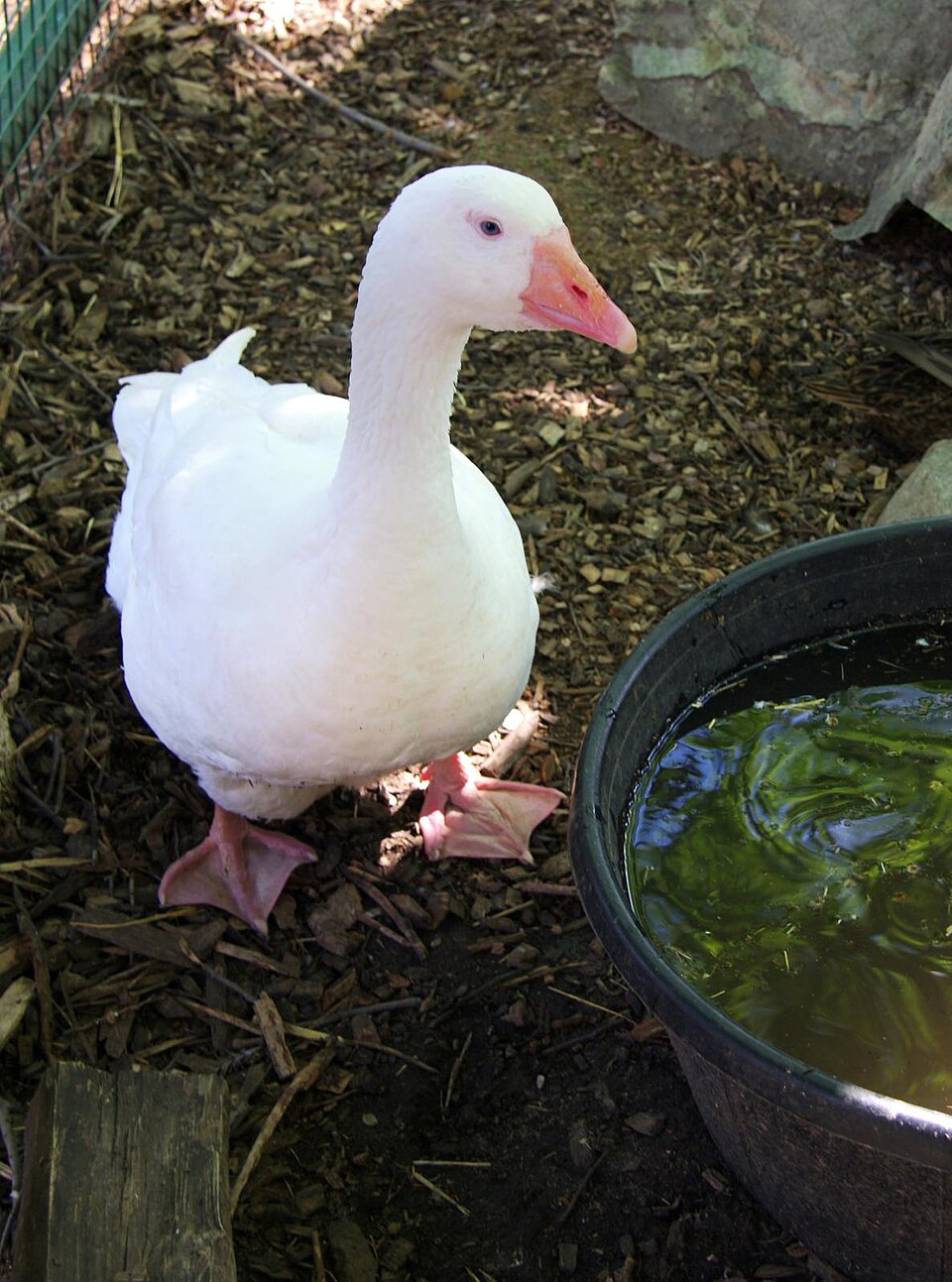
Are Geese Right for Your Yard?
Start with two honest caveats. First, space: geese are large grazing birds, and a yard without grass is a poor home. Second, noise: they honk at every unfamiliar thing, which neighbors may love or loathe. Check local ordinances before you order birds, and check whether your area permits waterfowl at all. If those hurdles clear, expect weeding, built-in security, a modest egg supply — roughly 10 to 50 eggs per goose per year, each the size of about three chicken eggs — and constant entertainment.
Choose the Breed, Keep the Flock
Pet-oriented breeds include the Toulouse, American Buff, and Pilgrim — calm birds that bond well with people when handled daily. Chinese and Embden geese are also popular; the Chinese are more vocal and alert. Geese are flock animals, so plan on at least two or three rather than a singleton, and consider females, which squabble less than ganders. Handle goslings often and gently; hand-raised birds are the docile geese people remember fondly, while unhandled adults can be territorial — especially in breeding season, when extra caution around visitors and children is warranted.
Housing, Space, and Water
- Night shelter: at least one square meter per bird, dry, ventilated, and predator-proof against dogs, coyotes, and foxes.
- Outdoor run: about two square meters per bird in the pen, with a much larger grassy area to roam by day — three geese are comfortable in roughly a 20-by-40-foot pen.
- Swimming water: a kiddie pool or pond is a must, not a luxury; scrub small pools daily since geese foul water fast.
- Soft grass underfoot: hard ground or concrete causes pressure sores and serious foot infections in heavy-bodied birds.
- Shade in summer — geese overheat easily — and straw bedding in winter.
Feeding: Grass Is the Main Course
Up to seventy percent of a goose’s diet can be grass, which is why a big green yard pays for itself. Supplement with a commercial waterfowl feed appropriate to age, plus grit for digestion, and never use medicated poultry feed — formulations meant for chicks can harm waterfowl. Clean drinking water must be available whenever they eat, because geese need water to swallow properly. Provide oyster shell for laying females.
Health Basics Worth Knowing
Plan on regular deworming, since intestinal parasites are common in grazing birds. Watch feet weekly for sores and bumblefoot, keep the pen dry, and find a local vet who is comfortable with poultry and waterfowl before an emergency happens — not after. Older females can develop egg-binding, so any hen that strains or stops eating in laying season needs a prompt exam.
The takeaway. Geese suit owners with grass, space, tolerant neighbors, and time for daily water changes. Give them flock-mates, a pool, and a lawn, and they will give you decades of personality. Sources include university veterinary extension guidance; always confirm local rules first. This article is general information, not veterinary advice.