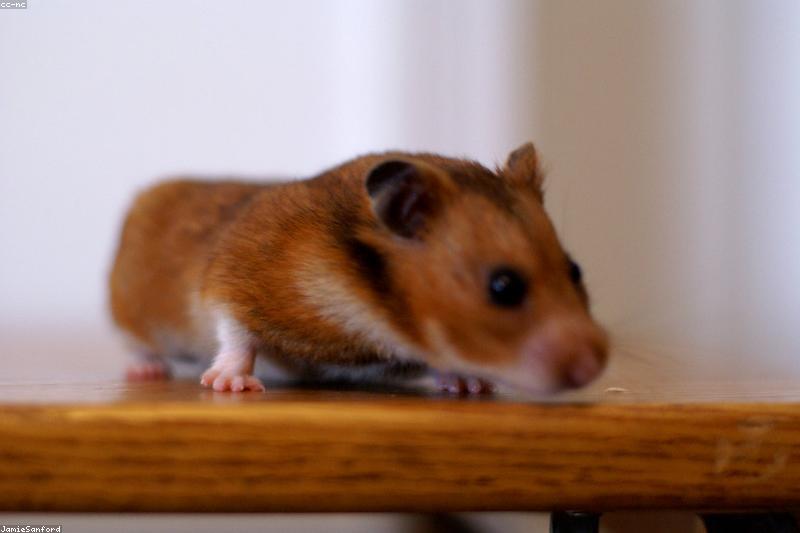
Watch a hamster for ten minutes and you will understand the problem: those incisors grow continuously for life. Without constant gnawing, teeth can overgrow, misalign, or even puncture the roof of the mouth — a painful and expensive veterinary situation. That is why a good rotation of chew toys is not a luxury accessory. It is core equipment, right alongside the hamster wheel and deep bedding.
Safe Chew Materials That Earn Their Spot
Variety matters more than quantity. Different textures and hardness levels keep a hamster engaged, so aim to offer several materials at once.
| Material | Why It Works |
|---|---|
| Untreated apple wood sticks | The classic: firm, tasty, widely available |
| Willow balls and woven bridges | Softer wood, doubles as shredding enrichment |
| Pear, hazel, and birch wood | Good hardness variety for keen gnawers |
| Cork logs | Chewing plus a hideout in one item |
| Loofah pieces | Unique texture, safe to shred |
| Seagrass mats and toys | Shreddable, chewable, cage-safe |
| Plain cardboard tubes | Free, replaceable, universally loved |
Whatever you buy, confirm it is sold for small pets and is untreated — no paints, glues, flavor coatings, or pesticide residue. When offering branches you cut yourself, stick to apple, pear, willow, hazel, or birch from unsprayed areas, and dry them thoroughly first.
Materials That Should Never Enter the Cage
- Cedar and fresh pine. Aromatic oils irritate small lungs; kiln-dried pine in accessories is safer, but raw evergreen wood is not worth the risk.
- Citrus and stone fruit woods. Cherry, peach, plum, lemon, and orange woods are toxic when chewed.
- Plywood and pressure-treated boards. The binding glues are poisonous.
- Plastic and rubber toys. Swallowed fragments can cause intestinal blockages.
- Toys with metal fasteners or bells. Ingested metal is toxic; sharp edges cut.
- Cotton wool nesting material. It looks cozy but tangles limbs and impacts guts.
How Many Chew Toys Does One Hamster Need?
More like a rotation than a collection. Keep three to five chew options in the cage at once — a hard wood stick, something shreddable like loofah or seagrass, a cardboard tube, and one novel item — and swap them weekly. Rotating renews interest so the toys keep getting used instead of becoming bedding decoration. Dwarfs often prefer several small items they can move around, while Syrians handle thicker branches and larger blocks.
Signs Your Hamster Needs More Chewing
- Obsessively biting cage bars
- Front teeth visibly long or crooked
- Difficulty picking up food or drooling
- Sudden pickiness about hard foods
- Dropping weight or eating less
Bar chewing in particular is usually a combination of boredom and inadequate chew options. Before you assume it is just a habit, refresh the rotation and check that the enclosure, bedding depth, and exercise wheel meet species standards.
Bottom line: think of chew toys as dental care disguised as fun. A small rotation of untreated woods, natural fibers, and cardboard costs little, gets replaced often, and pays you back in a hamster with healthy teeth and something better to do than gnaw the bars.