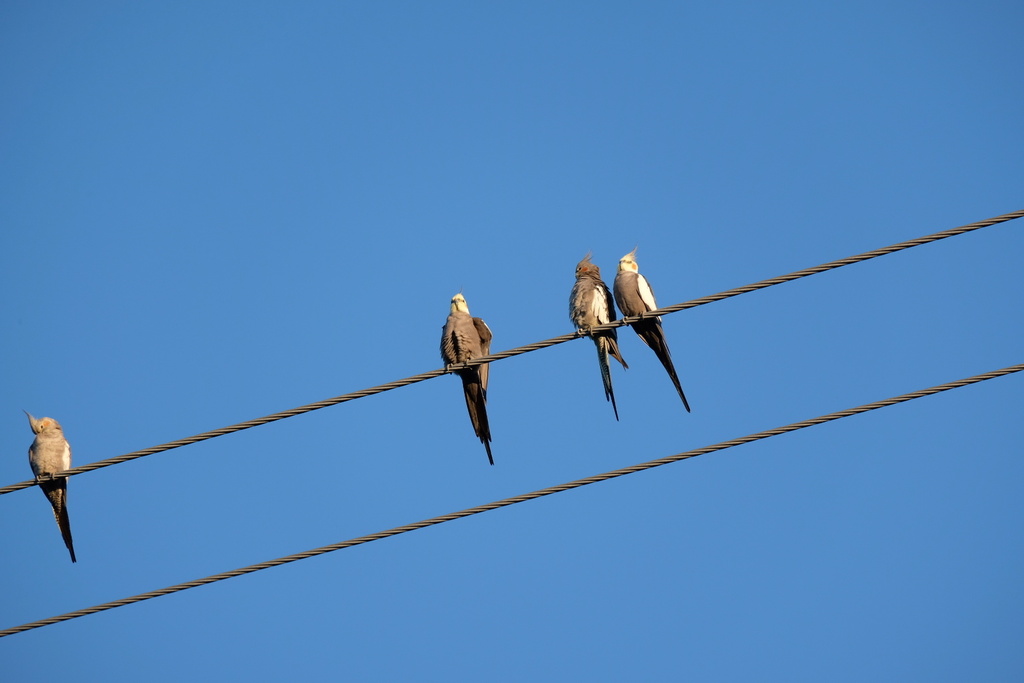
Watch your budgie or cockatiel perched quietly, and look at the tail. If it dips and rises in rhythm with every breath — like a small metronome — that is tail bobbing, and among bird keepers it is the most respected early warning sign there is. It means the bird is using its whole body to move air, and in birds, visible breathing effort is never normal.
Why Birds Hide Breathing Trouble
As prey animals, birds conceal illness until they cannot — an obviously sick bird attracts predators. Their respiratory system, built from lungs plus a network of air sacs, is extraordinarily efficient, so a bird can compensate for meaningful disease while looking almost fine. Tail bobbing appears when that compensation starts to fail: each breath now requires visible muscular effort, rocking the tail. By the time a bird sits fluffed at the bottom of the cage breathing with an open beak, its respiratory reserve is nearly spent.
What Tail Bobbing Can Mean
The tail is the alarm, not the diagnosis. Underlying causes include:
- Respiratory infections — bacterial, viral, or fungal (aspergillosis is the classic fungal culprit) affecting airways, lungs, or air sacs.
- Inhaled toxins — smoke, aerosol sprays, and above all fumes from overheated non-stick (PTFE) cookware, which can kill a bird in minutes.
- Pressure on the airways — an enlarged liver, heart disease, fluid, tumors, or egg-related problems pressing on air sacs.
- Airway obstruction — mucus, inhaled seed hulls, or parasites such as air sac mites in finches and canaries.
Environmental reviews matter as much as the bird itself. Many cases trace back to the room, not the bird: a scented candle burned nearby, a new cleaning spray, a Teflon pan briefly forgotten on the stove, or a cage placed in a drafty corridor. Before assuming disease, audit the air your bird breathes for twenty-four hours — then take the bird to the vet anyway.
Judge It Calm, Then Act Fast
Context matters for the first judgment. Fast breathing right after a vigorous flight, in a hot room, or during excitement that settles completely within a few quiet minutes is normal exertion. The concern is effort at rest: tail bobbing while the bird has been perched calmly for minutes, especially with any companion signs. Grade your response:
| What You See | Response |
|---|---|
| Panting after flight, fully settled at rest | Observe; note the room temperature |
| Mild tail bobbing at rest, still perching and eating | Same-day avian vet visit |
| Tail bobbing + open-mouth breathing or neck stretched up | Emergency vet now |
| Plus wheezing, clicking, voice change, or nasal discharge | Same-day vet; video the sound first |
On the Way to the Vet
Keep handling minimal — restraint worsens respiratory distress. Move the bird into a ventilated carrier in a warm room; a vaporizer or humidifier nearby adds soothing moisture. Never use over-the-counter bird antibiotics as a substitute for diagnosis, and keep it away from any aerosols, kitchen fumes, or smoke entirely. At the clinic, expect oxygen and warmth before handling, then imaging to look at lungs, air sacs, and organs. Birds who reach care early — while still perching and eating — have by far the best outcomes, which is why tail bobbing deserves the respect bird keepers give it: small rhythm, big message, act the same day.