Few things stress a cat owner more than the moment the carrier comes out. The cat vanishes under the bed, the appointment is missed, and the next trip becomes even harder. This cycle is not a personality flaw in your cat — it is a learned association, because the carrier has only ever appeared right before something frightening. Carrier training rewrites that association, and it works for cats of any age. Here is the step-by-step version veterinary behaviour teams recommend.
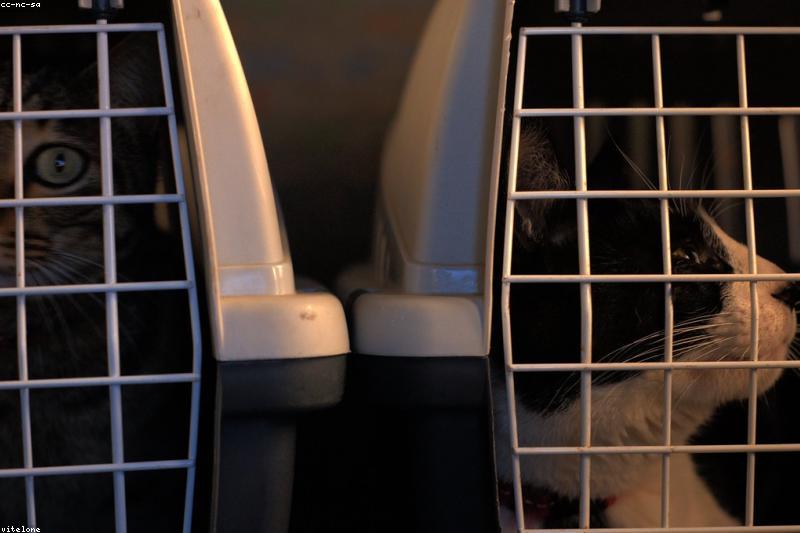
Why the Carrier Becomes a Threat
If a carrier lives in a cupboard and only emerges before a car ride and a veterinary exam, cats quickly learn that the carrier predicts stress. Research on carrier-trained cats found they were significantly calmer during car travel and clinic visits — more relaxed, more willing to eat, and showing fewer physiological stress markers. The goal is not to create a perfect traveller. The goal is to make the carrier ordinary, so travel stops being a surprise.
Choosing a Carrier That Works With Your Cat
- Solid bottom: gives stable footing and prevents slipping during handling
- Front and top openings: a removable top lets your vet examine your cat in the familiar bottom half instead of dragging them out
- Secure latches and good ventilation: essential for safety and airflow
- Enough room to stand, turn, and lie down: a carrier that is too small adds stress
- Familiar bedding inside: a towel or fleece that already smells like home
The Six-Step Training Plan
Move through these stages at your cat’s pace. Days or weeks per step is normal; rushing undoes progress.
| Step | What you do | Move on when… |
|---|---|---|
| 1. Make it furniture | Leave the carrier open in a quiet room with bedding and a toy inside | Your cat walks past it without flattening their ears |
| 2. Feed nearby | Place meals a metre away, then closer each day | Your cat eats calmly right beside the carrier |
| 3. Dine inside | Put the bowl just inside the entrance, then deeper in | Your cat steps fully inside to eat |
| 4. Make it a retreat | Add treats, catnip, or a favourite toy; praise voluntary visits | You catch your cat napping inside |
| 5. Close the door | Shut the door for a few seconds while your cat is relaxed, then release | Your cat tolerates a minute or more without distress |
| 6. Add movement | Lift and carry it around the room, then take short drives that do not end at the vet | Your cat stays quiet for a five-minute car trip |
Never close the door as a trick to catch your cat for an appointment. Breaking trust at that stage costs weeks of work and makes future sessions harder.
Travel-Day Checklist
- Spray synthetic feline pheromone on the bedding about fifteen minutes before travel, never directly on your cat
- Line the carrier with a non-slip mat or absorbent pad for nervous cats
- Cover the carrier with a light towel in the car to reduce visual stimulation
- Secure the carrier with a seatbelt or place it on the floor behind a seat — never on a lap
- Skip a heavy meal in the hour before travel, but do bring high-value treats
- Book the first appointment of the day if your clinic offers quieter slots
When to Ask Your Vet for More Help
Some cats need a different plan, and that is not a failure. Contact your veterinarian before the next visit if your cat panics, hides for hours afterwards, pants, drools heavily, injures themselves, or cannot be handled safely. Options include a different carrier style, towel-based handling techniques, a quieter appointment time, or short-term pre-visit medication prescribed for that individual cat. Low-stress transport is part of medical care, not a luxury.
The payoff is better preventive care. A cat who travels calmly gets seen sooner. Because cats hide illness so well, routine wellness exams are where early kidney, thyroid, and dental problems are caught — and the single biggest barrier to those exams is a carrier that terrifies everyone involved. Leave the carrier out permanently, keep pairing it with food, treats, and rest, and the day you genuinely need it, your cat will already be inside. Start today, even if the next appointment is months away.