Claw marks on the arm of a sofa are one of the most common frustrations in cat-owning households, and one of the most misunderstood. Scratching is an innate feline behavior, as natural as grooming or burying waste, and Cornell’s Feline Health Center is blunt about the framing: a cat working over your furniture is not out for revenge. The realistic goal is not to stop scratching. It is to move it onto something you do not mind losing.
Four Reasons Cats Scratch
- Claw maintenance. Cats are not sharpening their claws. Scratching removes the translucent dead sheath from the nail, which sheds roughly every four to six weeks. Blocking the behavior entirely can lead to nail problems, so an outlet is necessary.
- Scent marking. Cats have scent glands in their paw pads. Every scratch leaves a pheromone message plus a visible mark that tells other animals they have been there.
- Stretching. A full-stretch scratch works the muscles and tendons through the shoulders and back, and most cats do it right after waking.
- Stress and excitement. Scratching is also an emotional release, which is why you may see more of it when a new cat appears outside the window or the household routine changes.
Step One: Read Your Cat’s Scratching Style
Preferences vary more than most owners expect, and matching the right scratcher to the right cat is where most of the progress happens.
| Your cat scratches… | Give them… |
|---|---|
| Drapes, sofa backs, wall corners, standing tall with front legs outstretched | A tall vertical post, at least as high as the cat on hind legs with paws stretched, mounted to a wall or door if needed |
| Carpets, rugs, and floor mats, with the body flat | A flat corrugated cardboard scratcher or a log laid on its side |
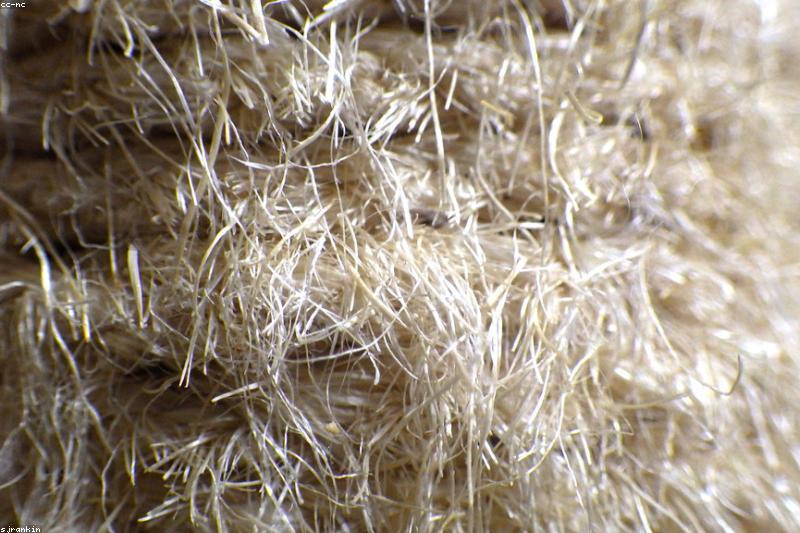
| Upholstery with a rough, nubby weave | A sisal rope post, which mimics that satisfying resistance |
| Anything soft and carpeted | A carpet-covered post |
Whatever you choose must be stable. A post that wobbles when your cat leans into it will be abandoned, and a used post that looks shredded means it is doing its job, not that it needs replacing.
Step Two: Put It Where the Scratching Already Happens
- Place the new scratcher directly beside the furniture being damaged, then shift it gradually once your cat is committed to it.
- If your cat scratches in several places, provide a post near each one.
- Put scratchers beside favorite sleeping spots, since post-nap scratching is the strongest habit you can hijack.
- Keep them visible in the rooms your cat actually uses. A post tucked in a back bedroom will be ignored.
- In multi-cat homes, provide several, so no single cat can guard the only option.
- Reward immediately when your cat uses it: treats, praise, a play session, or catnip rubbed on or around the post.
Step Three: Make the Old Target Less Attractive
While the new habit is forming, reduce the appeal of the furniture. Double-sided tape is one of the most effective deterrents, because cats dislike the sticky feel; slipcovers, throws, and clear plastic guards also work during the training window. Because scratching has a scent-marking component, cats are far more likely to re-scratch a spot that already carries their scent, so clean previously scratched areas with an odor neutralizer.
What Does Not Work
Punishment is the most common mistake, and it backfires reliably. Yelling, spraying water, or startling your cat teaches only one lesson: your presence brings unpleasant things. Cats do not link the correction to the act of scratching, so they learn to scratch when you are not there, and the added fear can escalate into aggression. Meanwhile, removing all scratching opportunities just guarantees a return to the couch.
Limiting the Damage While You Train
- Trim nails every two to three weeks. Cut only the sharp tip and avoid the pink quick, or ask your vet or a groomer to demonstrate the first time. Trimming reduces damage but does not reduce scratching.
- Soft nail caps glued over the claws let your cat go through the motions without damage. Replace them every six to twelve weeks, and only use them on cats who tolerate having their paws handled.
- Enrichment: cat trees, window perches, interactive toys, and daily play address boredom, which drives a lot of scratching.
If scratching suddenly increases or becomes obsessive, look for a stress trigger first: a move, a new pet, a change in routine, or cats outside the windows. Persistent anxiety, or scratching paired with skin irritation, is worth a veterinary behavioral consultation.