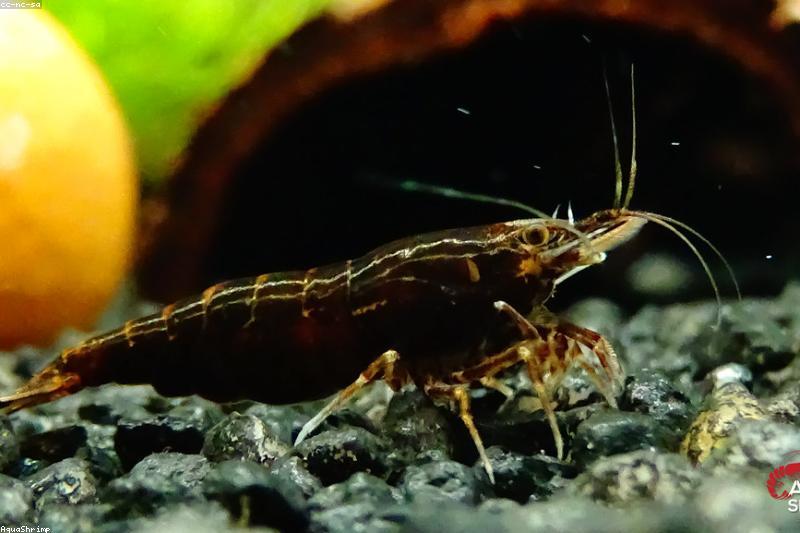
Cherry shrimp (Neocaridina davidi) are among the most rewarding nano aquarium animals you can keep. They graze algae and biofilm all day, breed readily, and fit in a tank as small as ten gallons. Their one demand is stability: shrimp tolerate a wide range of values but react badly to sudden swings of any kind.
Start With a Mature, Cycled Tank
Never add shrimp to a brand-new aquarium. They need the biofilm and beneficial bacteria of a tank that has been running for at least a month, with ammonia and nitrite at zero and nitrate low. A gentle sponge filter is ideal because it cannot suck up baby shrimp and grows biofilm on its surface. If you use a regular filter, cover the intake with a fine sponge.
Water Parameters: Stability Beats Perfection
Cherry shrimp accept broad ranges, but two things matter more than the rest: zero ammonia and nitrite, and enough dissolved minerals to build a shell. In very soft water they fail to molt and die with a white ring behind the head.
| Parameter | Target | Why it matters |
|---|---|---|
| Temperature | 20–26°C (68–79°F) | Comfort and breeding speed |
| pH | 6.5–8.0 | Wide tolerance, avoid swings |
| GH | 6–12 | Shell and molt health |
| KH | 3–8 | pH buffering |
| Ammonia / Nitrite | 0 ppm | Fatal even in traces |
| Nitrate | Under 20 ppm | Stress and color loss above this |
Do small water changes of 10–20% weekly, with new water that is dechlorinated and temperature-matched, and drip it in slowly rather than pouring. One more critical point: shrimp are extremely sensitive to copper, which appears in many fish medications and some plant fertilizers. Check every bottle before it goes near the tank.
Feeding: Less Is More
In a mature planted tank a colony finds most of its own food grazing biofilm and algae. Supplement two or three times a week with a tiny amount of shrimp pellet or algae wafer — only what they finish in a couple of hours — and remove leftovers. Blanched zucchini or spinach once a week adds calcium and variety.
- Feed 2–3 times per week, not daily
- Remove uneaten food after a few hours
- Overfeeding fouls water and invites hydra and planaria
- Leaf litter and moss provide free grazing between meals
Molts, Berried Females, and Warning Signs
Healthy shrimp molt regularly and you will find ghostly white empty shells — leave them in, shrimp eat them. A female carrying green eggs under her tail is “berried” and will release fully formed miniatures in about a month. Warning signs that need action include a white ring of failed molt at the mid-body, sudden colony deaths after a water change or new medication (think copper), and pale, listless shrimp hiding instead of grazing.
Start with at least ten shrimp, keep the water boringly stable, and a small group becomes a hundred within a few months.