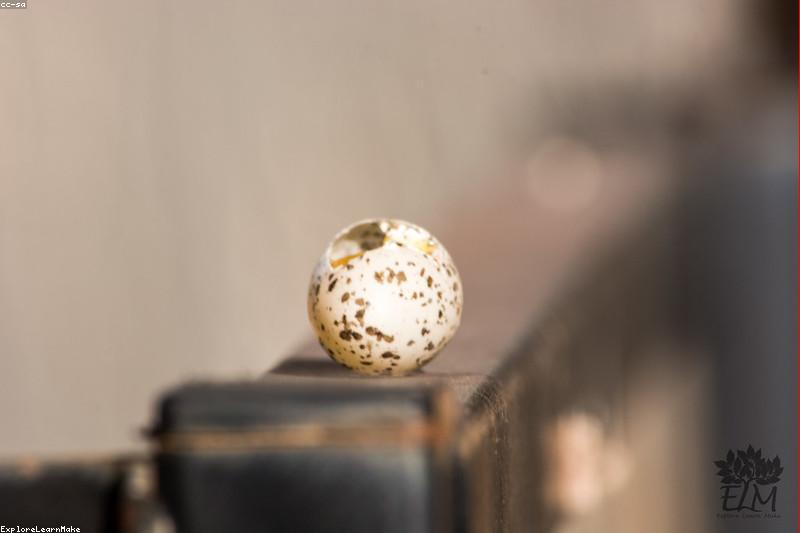
A female budgie, cockatiel or lovebird who suddenly starts producing eggs is a common and unsettling surprise for a new owner. There is no male, there is no nest box, and yet the eggs keep coming, sometimes one every other day until a full clutch is laid. This is chronic egg laying: repeated clutches outside the normal breeding season, often triggered by nothing more than long daylight hours and a strong bond with a human. It is not a behaviour to punish or ignore, because the physical cost adds up quickly.
What Triggers the Cycle
Reproduction in birds is driven by cues rather than choice. Lengthening daylight is the strongest signal, which is why spring and summer bring most cases, and indoor lighting can keep that signal running all year. Other triggers include a paired bond with a person or a mirror, a dark corner or any container that looks like a nest site, a food bowl kept full and rich, and the sound of running water for species that breed in the rainy season. Because the trigger is a set of conditions rather than a decision, removing the conditions is what stops the cycle.
The Real Risk Is Calcium
Every eggshell takes a large amount of calcium, and a hen on a seed-based diet is usually already short of it. Repeated laying draws down her reserves and can lead to hypocalcaemia, which shows as weakness, poor grip, tremors or seizures. It also raises the risk of egg binding, where an egg becomes stuck in the reproductive tract, and of thin-shelled or soft-shelled eggs that break inside her. A chronically laying hen may also become more vocal, more territorial around the bird cage, and noticeably more aggressive while she guards her clutch. That behaviour is hormonal, not personal.
Breaking the Cycle at Home
- Shorten the day. Provide about eight hours of light and twelve to fourteen hours of complete darkness, using a cage cover that blocks light, and check that no lamp, screen or streetlight leaks in.
- Leave the eggs in place. Removing them promptly encourages more laying. Letting her sit on the clutch through a normal incubation period of roughly three to four weeks often ends the cycle and gives her body time to recover.
- Move the cage. A change of room disrupts the sense of a safe, established territory.
- Remove nest-like objects and mirrors, and if she shares the room with a male of the same species, move him to another room.
- Reduce body petting. Stroking her back, wings or under the tail sends a sexual signal. Keep contact to the head and neck.
- Keep food measured rather than topping the bowl up all day, and cut back high-calorie seeds and nuts.
Diet, Calcium and Light
Support her nutrition while you work on the triggers. A hen in lay should always have access to a calcium source such as cuttlebone or a mineral block, and small species do best on a diet built around pellets, roughly half to three quarters of the total, with the remainder split between good quality seed and fresh vegetables. Larger parrots can take a higher proportion of pellets and very few seeds. Ultraviolet light matters too, because it helps birds regulate calcium and vitamin D, and window glass blocks the UV that would otherwise reach her, so a bird-specific UV lamp mounted above the cage is worth considering. Stop extra supplementation once laying has genuinely stopped, since ongoing calcium without a demand for it can strain the kidneys, and confirm any supplement plan with your avian vet.
Call an avian vet the same day if you see straining, no droppings being passed, blood at the vent or in the droppings, tissue protruding, heavy or open-mouth breathing, or a bird sitting fluffed at the bottom of the cage. Those can indicate egg binding or a prolapse and are genuine emergencies rather than wait-and-see problems. When environmental changes alone do not stop the laying, veterinary options range from hormone injections to a slow-release implant, and surgery is reserved for serious cases. Keep a simple log of each egg, her weight if you can weigh her weekly on a kitchen scale, and what she is eating, because that record is what lets a vet judge how quickly to act.