Chronic kidney disease (CKD) is the quiet epidemic of senior cats: it affects an estimated 30 to 40 percent of cats over twelve and is one of the leading causes of illness in aging felines. The kidneys are astonishingly good at compensating, which is a problem – by the time a cat clearly looks sick, a large share of kidney function is already gone. The good news is that cats found in the early stages can live comfortably for years with the right plan.
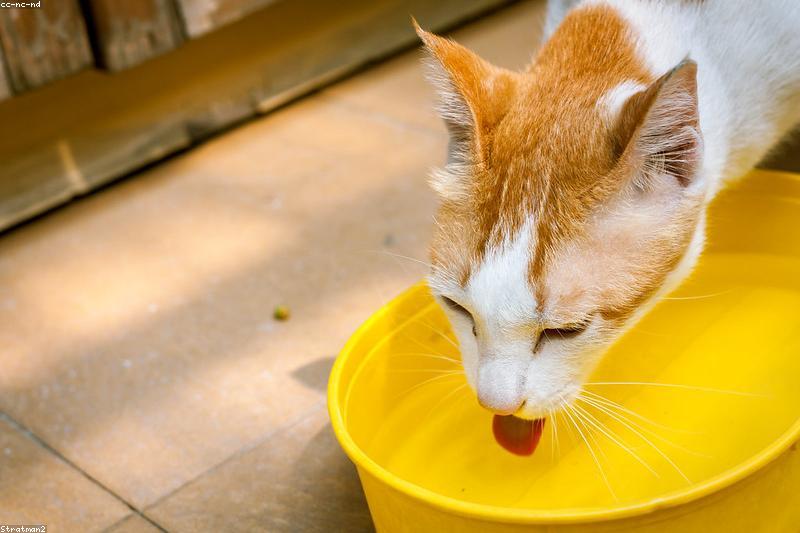
Why CKD Sneaks Up
Kidneys filter waste, regulate hydration, balance minerals, and produce hormones for red blood cells and blood pressure. In CKD, the tiny filtering units are gradually lost, and the remaining ones take over the workload. Because of this reserve, blood values can look normal until significant function has been lost – and symptoms, when they finally appear, tend to start vaguely. That is why annual or twice-yearly bloodwork for cats over seven is the single best early-detection tool available.
Early Signs Owners Often Miss
- Drinking more than usual – a water bowl that empties faster, or a new fascination with taps and fountains
- Urinating more, or larger clumps in the litter box
- Slow, steady weight loss despite a normal appetite
- A duller coat and slightly reduced grooming
- Intermittent poor appetite – eating well some days, picking at food others
- Bad breath with a faint ammonia-like smell as toxins build
- Occasional vomiting or more time spent sleeping
Any cat over seven showing two or more of these deserves a vet check with bloodwork, a urinalysis, and a blood pressure measurement.
How Vets Stage the Disease
Vets use the IRIS staging system, based on creatinine, the newer SDMA marker, urine concentration, blood pressure, and protein loss in urine. An owner-level summary:
| Stage | What it means | What owners usually notice |
|---|---|---|
| Stage 1 | Early damage; SDMA may rise before creatinine | Nothing – usually found on routine bloodwork |
| Stage 2 | Mild kidney impairment | Subtle: a bit more drinking, mild weight loss |
| Stage 3 | Moderate impairment | Clear signs: appetite dips, vomiting, dehydration |
| Stage 4 | Severe impairment | Marked weight loss, weakness, significant illness |
Stage matters because it shapes the plan, but so do the substages: high blood pressure and protein in the urine both predict faster progression and get treated in their own right.
Managing CKD Day to Day
Treatment aims to slow progression and keep the cat feeling well. The pillars are simple in concept: keep the cat hydrated, keep phosphorus low, control nausea and blood pressure, and monitor regularly. Prescription renal diets – reduced phosphorus, controlled high-quality protein, added omega-3s – are the single most impactful intervention, but transitions must be gradual because a cat who refuses to eat creates a worse problem. Wet food, water fountains, and multiple bowls all help hydration; many owners of later-stage cats learn to give subcutaneous fluids at home, which their vet team can teach. Phosphate binders, anti-nausea medication, appetite support, and blood pressure tablets round out the toolkit as needed. Recheck bloodwork every three to six months, or more often while the plan is being tuned.
When to Call the Vet Between Check-Ups
- Not eating for more than 24 hours – this is urgent for any cat, doubly so with CKD
- Repeated vomiting, or inability to keep water down
- Sudden weakness, hiding constantly, or pale gums
- Straining in the litter box or producing little urine
- Sudden blindness or disorientation – possible hypertensive crisis, go now
CKD cannot be reversed, but it is not a verdict either. Caught early and managed consistently, many cats live years of good-quality life after diagnosis. If your cat is over seven and has not had bloodwork in the past year, book it – the cheapest time to find kidney disease is before it announces itself.