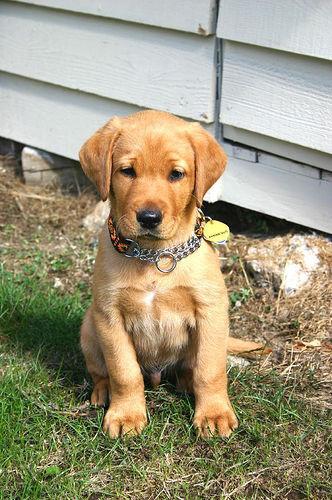
Twice a year the household clock jumps an hour and every human adjusts with a yawn. Cats and dogs get no such warning. Their day runs on internal rhythm and familiar cues — the sound of the cupboard, the rattle of the bowl, the moment the front door opens — and when the numbers on the wall change overnight, breakfast simply arrives at the wrong time.
Why an Hour Is a Big Deal
Hunger, sleep and activity are governed by a body clock that is trained by repetition. Move a meal time by an hour and the pet experiences it as either a long wait or a meal that came far too early. Typical reactions in the days after a change include pacing and whining near the old meal time, waking the household before dawn, clinginess, a dip in appetite at the new time, and the occasional accident indoors because the toilet break moved with everything else.
Cats tend to be the most insistent, because so much of their day is anchored to meals. Senior pets, very young pets and anxious animals feel the shift more sharply than easy-going adults.
The Gradual Shift Method
The fix is to move the routine in small steps rather than one jump. Start three to five days before the change and shift meal times, walks, play and bedtime by 10 to 15 minutes a day. When the clocks go back in autumn, meals move later; when they go forward in spring, meals move earlier.
| Day | Breakfast if the usual time is 7:00 am |
|---|---|
| Four days before | 7:15 am |
| Three days before | 7:30 am |
| Two days before | 7:45 am |
| Day of the change | 8:00 am, which is the new 7:00 am |
| Days after | Hold at 8:00 am and do not drift |
Repeat the same pattern for the evening meal, and for walks and bedtime if those are fixed in your house. If the change has already happened, the method still works — shift by 10 to 15 minutes a day starting now and you will be aligned within a week.
Meals First, Then Everything Else
When time is short, spend the effort on feeding. Meals are the strongest cue in a pet’s day, and once they land at the new time, walks and bedtime tend to follow. Keep the sequence the same even when the times move: toilet break, meal, play, rest. The order is what tells a pet that the day is normal.
An automatic feeder is helpful here, because you can move the schedule in small increments without standing in the kitchen being stared at. If you feed by hand, resist the pull of the old time. A pet that learns that demanding food at 4:30 am works will keep doing it, so offer reassurance and a calm activity instead — a short play session, a food puzzle, or a few minutes of attention — rather than an early meal.
Light, Exercise and Evenings
Light is the signal that resets a body clock. Let morning light into the room when the household wakes, and dim the evening so the day has a clear ending. In autumn the evenings darken sooner, so plan walks earlier, add reflective gear, and put a little more indoor activity into the day: sniff walks, a scatter feed on a towel, a few minutes of training, or a puzzle feeder at dinner time. A pet that has burned energy through the day settles more easily at night, whatever the clock says.
Keep bedtime rituals identical — the same words, the same spot, the same last toilet trip. The ritual, not the digits on the clock, is what tells a pet that the day is over.
Pets That Need More Time
Puppies and kittens, seniors, and animals with anxiety need a slower version of the same plan: 5 minutes a day rather than 15, with extra toilet breaks for the first few days. If a pet takes medication at fixed times, talk to your veterinarian before moving those doses, since timing can matter for how well a treatment works. Expect most healthy pets to settle within about a week.
None of this requires new equipment or a stricter household. It asks for one small adjustment a day, made a few days early, so that when the clock changes, dinner has already arrived at the right moment twice. General husbandry information only, not veterinary advice. Persistent appetite loss, vomiting or distress during a routine change is worth a veterinary check.