Most small rodents are nocturnal, so you buy a hamster and spend a year waving at it while it runs at two in the morning. Degus are different. These Chilean rodents are awake during the day, live in chatty colonies, and can live five to nine years. They are also the most sugar-intolerant pet you can reasonably buy, and that one fact decides whether a degu thrives or develops cataracts before its second birthday.
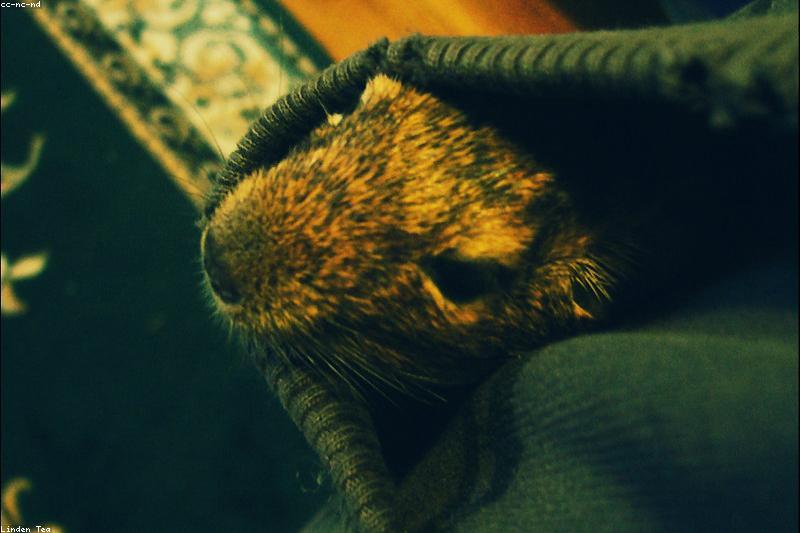
Diurnal, Social, and Cool-Running
Degus (Octodon degus) come from the scrublands of Chile. They are active in daylight and rest at night, so they need a normal bright-day, dark-night cycle rather than the red-light nocturnal routine many small-pet owners are used to.
They also tolerate heat badly. Keep the cage out of direct sun, away from radiators and in the coolest room, aiming for roughly 15–25 °C with good ventilation. A degu that is panting, lethargic or collapsed in warm weather is an emergency, not a lazy afternoon.
And they should never be kept alone. A solitary degu becomes stressed, and stress in this species can turn into self-harming behaviour. Keep a same-sex pair or a small group, introduced carefully, and expect a running commentary of chirps and calls.
Housing: Height, Solid Floors, Deep Digging
- A tall multi-level cage, at least about 90 cm high, with several solid floors, ramps and platforms. Degus climb, dig and explore constantly.
- Solid flooring, never wire floors, which cause sore feet and bumblefoot.
- Bar spacing no wider than 2 cm, or a degu will simply leave.
- A deep digging area with paper-based bedding or kiln-dried pine or aspen shavings. Never cedar, and never clumping cat litter, which swells dangerously if swallowed.
- A nest box, hides and hammocks so there is somewhere to retreat at every level.
- Constant safe wood to gnaw: apple, beech or oak branches, pumice, untreated cardboard.
- A solid-floored wheel at least 30 cm across. Runged wheels injure feet.
- A dust bath with chinchilla sand, not building sand, which is too high in silica and damages the coat.
The Sugar-Free Diet Is Not a Suggestion
Degus cannot process sugar properly. Even small amounts of fruit, carrot, peas, corn, raisins or molasses-based treats can trigger diabetes and cataracts, and starchy foods carry a similar risk. That is why the diet is built on fibre rather than on variety for variety’s sake.
The base is unlimited grass hay, such as timothy or meadow hay, plus a measured daily portion of plain degu or chinchilla pellets containing no molasses, sugar or dried fruit. Guinea pig pellets are an acceptable substitute only if they are molasses-free and very low in sugar. Rabbit, hamster and gerbil mixes are not suitable.
- Safe extras, once or twice a week, in pieces no bigger than a thumbnail: leafy greens, basil, mint, parsley, plain hay-based treats.
- Never: fruit, raisins, breakfast cereal, honey treat sticks, popcorn, sweet or starchy table food.
Fresh water must always be available, and a bottle feeder suits them better than a bowl because of their dense coat.
Handling, Enrichment and Red Flags
Never lift a degu by the tail. The skin at the base tears away as a defence mechanism, an injury known as degloving, and the tail does not grow back. Scoop with two hands, support the hindquarters, and keep the animal low and close to a surface in case it jumps.
Signs that need a vet the same day: drinking and urinating far more than usual, cloudy eyes or cataracts, rapid weight loss, drooling or a wet chin from dental disease, no droppings or not eating for 12 hours, swollen or scabbed footpads, or sudden weakness.
A degu is not a cheap hamster. It is a five- to nine-year commitment that needs company, cool air, constant hay and something safe to chew every single day, and in return it is one of the most interactive small pets you can keep.