Treats do more than spoil a pet. They carry training sessions, hide medication, and account for a real share of daily calories. That makes the treat bowl worth a closer look than most owners give it. Some risks are about quantity, some are about the specific chew, and a few have nothing to do with dose at all, because the ingredient is toxic at any amount.
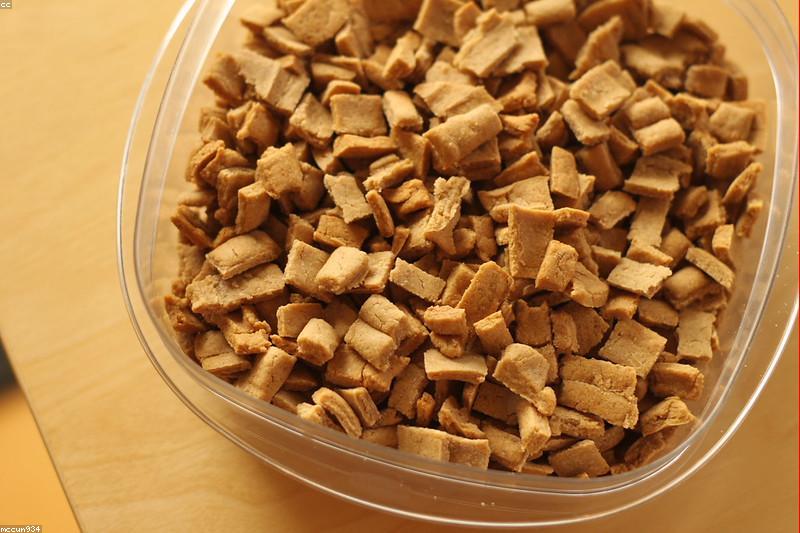
The Rule That Frames Everything: Ten Percent
Treats should make up no more than about 10 percent of your dog’s daily calorie intake, with the rest coming from a complete and balanced diet. This is the number most owners miss. A handful of biscuits, a scatter of training rewards, and a share of table food can quietly add up to a third of the day’s energy, which both dilutes the balanced part of the diet and pushes body condition upward.
Ingredients That Are Toxic, Not Just Unhealthy
These are not feed-less problems. They are emergencies, and they hide in places owners do not expect.
| Ingredient | Why it is dangerous | Where it hides |
|---|---|---|
| Xylitol, also called birch sugar | Rapid insulin release causing hypoglycemia, and liver failure in severe cases; small amounts can be enough | Sugar-free gum and candy, some peanut butters, baked goods, some naturally sweetened treats |
| Chocolate | Theobromine and caffeine cause vomiting, irregular heart rate, tremors, and seizures | Candy, cookies, protein bars, cocoa mulch |
| Grapes and raisins | Acute kidney injury; the toxic dose is unpredictable and varies between dogs | Trail mix, baked goods, some fruit-based treats |
| Macadamia nuts | Weakness, vomiting, tremors, and overheating | Mixed nuts, cookies, snack bars |
| Onion and garlic powder | Damage to red blood cells causing anemia; effects are cumulative rather than one-off | Flavored jerky, seasoned human snacks, broth-based treats |
If you suspect your dog ate any of these, do not wait for symptoms to appear. Call your veterinarian or a pet poison hotline immediately. In the United States that means the ASPCA Animal Poison Control Center at (888) 426-4435, or the Pet Poison Helpline at (855) 764-7661. Time matters more than certainty, and symptoms can take hours to show.
Chews and Commercial Treats Worth Rethinking
Rawhide
Rawhide is the classic chew and one of the riskiest. Swallowed pieces can lodge in the esophagus or cause an intestinal blockage, and many products are chemically processed during manufacture. It is hard to supervise safely because it gradually softens into pieces large enough to swallow whole.
High-fat chews and processed jerky
Pig ears, some smoked chews, and heavily processed jerky are high in fat and sodium. A large fat load is a leading trigger for pancreatitis, a painful and sometimes serious inflammation of the pancreas. The FDA has issued repeated warnings about certain jerky products, particularly imported ones, going back to 2007. Excess sodium is a separate and serious problem for dogs with heart or kidney disease.
Artificial preservatives and colors
Semi-moist treats often carry preservatives such as BHA, BHT, and ethoxyquin, along with artificial dyes. These are not acute toxins, but they add nothing nutritionally, and many owners prefer to avoid them entirely.
Cooked Bones and the Natural Chew Trap
Cooked bones, chicken and pork especially, splinter into sharp fragments that can perforate the digestive tract. A smoked bone sold as a natural chew is still a cooked bone. The word natural describes where an ingredient came from, not whether it is safe, and it is no substitute for a product actually designed to be chewed safely.
Safer Choices and a Treat Checklist
For every risky treat there is usually a safer alternative. Carrot sticks, plain cooked chicken, apple slices without seeds, blueberries, and cooked sweet potato cover most of what a dog wants from a reward. Peanut butter is fine only after you confirm the label contains no xylitol. Commercial treats carrying an AAFCO adequacy statement have had their nutrition verified rather than assumed.
Then apply the same discipline you would to your own snacks:
- Read the ingredient list, not the picture on the package
- Match the treat size to your dog, keeping pieces small for small dogs
- Supervise chews and take away the last small piece before it can be swallowed
- Introduce one new treat at a time and watch for itching, vomiting, or loose stool
- Subtract treat calories from the daily meal ration rather than adding them on top
The safest treat is small, simple, and counted. If your dog has a diagnosed condition such as kidney disease, diabetes, or pancreatitis, treat choices belong in a conversation with your veterinarian rather than on a best-seller list.
This article is general information, not veterinary advice. For a suspected poisoning, contact your veterinarian or a pet poison hotline immediately.