The first sign is usually easy to miss: seasonal thinning of the fur on the tail, maybe some itchiness. Months later, both sides of the body are symmetrically bald, and you have a ferret that looks like a plush toy worn down to the fabric. In ferrets, that pattern of hair loss is the calling card of adrenal gland disease — one of the most common and most serious illnesses of the species, affecting up to 70% of ferrets in some populations.
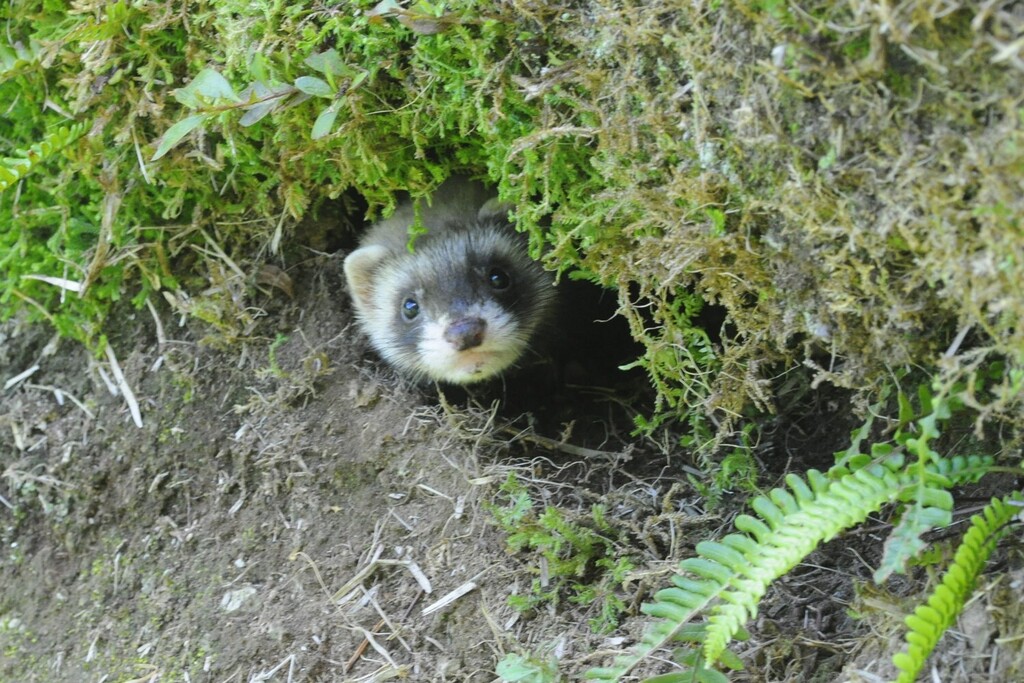
Why Ferrets Get a Disease No Other Pet Does
In dogs and cats, adrenal overactivity means Cushing’s disease and excess cortisol. Ferrets are different: their diseased adrenal glands overproduce sex hormones — estrogen, testosterone precursors, and related steroids. The result is a false, continuous breeding-season state that erodes the body. Most ferrets are diagnosed after age three, and the leading risk factors appear to be early neutering, genetics, and artificial light cycles that keep the ferret’s body in permanent summer.
The Signs, From Subtle to Emergency
Symptoms progress slowly, which is exactly why owners should know the sequence:
- Symmetrical hair loss starting at the tail and flanks — the signature sign, present in over 80% of cases, often with itchy skin.
- Enlarged vulva in spayed females — never normal, a strong pointer to adrenal disease.
- Straining to urinate in males — hormone-driven prostate enlargement can compress the urethra. This is an emergency: a male who cannot pee can suffer bladder rupture within hours and needs a vet the same day.
- Return of sexual behavior, aggression, muscle loss, or lethargy in both sexes.
Vets diagnose by clinical signs, confirm with abdominal ultrasound or a specialized hormone blood panel, and stage the disease before choosing treatment.
Treatment: Implants Over Surgery for Most Ferrets
Two paths exist. Surgery removes the affected gland, but only the left one is safely accessible — the right gland hugs the vena cava — and the other gland can fail later, so medical management has become the standard. The mainstay is a deslorelin acetate implant (or leuprolide injections), which switches off the hormone overproduction; signs often improve within two to six weeks, and one implant lasts roughly a year to eighteen months. Expect a temporary flare of symptoms before improvement. Melatonin supplementation supports coat regrowth and offsets light-cycle stress but does not treat the gland itself. Pair medical treatment with high-calorie, high-protein feeding and a natural light schedule for the best quality of life.
What Owners Can Actually Control
Prevention is partly out of your hands — genetics and early neutering are decided before purchase — but husbandry is not. Simulate winter: keep the ferret where natural day length applies rather than under bright evening lights, and ask your vet about melatonin routines. Check the tail and rear-end fur monthly during grooming, since that is where the disease shows first. Book an exotic-vet wellness exam before problems start, so you have a doctor who knows ferrets when the day comes. And treat the male urinary blockage sign as what it is — a race to the clinic. Caught early, adrenal disease is managed for years; ferrets on implants scratch, play, and regrow most of their coats, bald patches or not.