Vets see the end of a story; owners live the middle of it. The five-minute hands-on check is how the middle gets read — a weekly routine of touching, looking and noting that catches small changes while they are still small. It is not a medical procedure, it is a habit: the same ten hands-on minutes every week, on a pet who thinks it is just being adored.
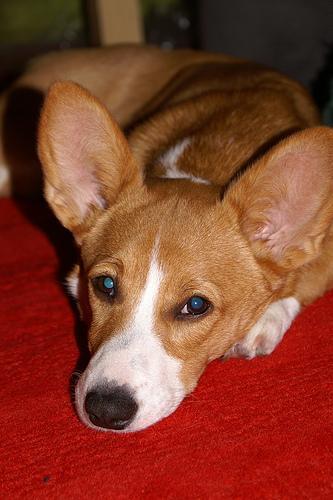
Make the Check Something Your Pet Likes
Pick a moment your pet is already relaxed — after dinner, during the evening couch session — and keep the ritual identical: same spot, same order, treats at the ready. Run the check as a massage with a purpose, slow enough that your hands actually register what they touch. A weekly rhythm has two quiet advantages: your pet learns that handling predicts good things, which pays off at the vet and the groomer, and your fingers build a memory of normal — the lump that was not there last Tuesday announces itself because everything else feels routine.
The Head-to-Tail Pass
- Face and eyes: look for clear eyes, a clean nose, no watering or rubbing; glance at the teeth and gum line if your pet tolerates a lip lift
- Ears: a quick look and a sniff — hot, smelly or scratched-sore ears belong on your notes
- Neck to tail along the spine, with the flat of your fingers: feel for new lumps, flinches, or spots that turn the head suddenly
- Coat and skin: run the fur against its growth in a few places — flakes, flea dirt, scabs and mats hide underneath
- Paws and nails: check pads for cracks or stuck objects, and nails for clicking length
- Belly, armpits and tail base: the places brushes skip and mats start; on cats, the base of the tail is prime mat territory
- Weight by feel: ribs should be findable with light pressure; a growing padding over them is a note, not a panic
Keep the pass to five unhurried minutes. If your pet falls asleep halfway through, that is a pass grade in every sense.
What You Are Actually Looking For
Notes beat memory. A note on your phone — “small scab left ear, watching”, “drank a lot on Thursday” — turns vague worry into trackable information. You are looking for changes, not diagnoses: anything new, anything growing, anything that makes your pet flinch, and any drift in the big three of appetite, thirst and energy. Senior pets deserve the check more often, not less — twice a week takes ten minutes and reads the fine print of aging: weight sliding off, joints stiffening after rest, coat quality thinning where the tongue can no longer reach.
When a Note Becomes an Appointment
The check does not replace the vet; it feeds the vet. Book a visit when something is new, growing, painful or persistent — a lump that is bigger this week than last, an ear that stays smelly, a flinch that repeats on the same spot — and bring your notes, because “he seemed off for three weeks” is far less useful than “eating fine, drinking more since Tuesday, small lump on the left flank first noticed three weeks ago, unchanged”. And keep the annual or twice-yearly senior visits on the calendar; your weekly check is how you arrive at them with a story worth hearing.
The takeaway. Five minutes, once a week, in the same order, with treats: eyes to ears to spine to paws, notes kept, changes watched. It is the cheapest care habit in the house, and the one most likely to say “we caught it early” — in any species with a pulse.