Every winter, panicked owners post the same story online: their hamster is cold, limp, and unresponsive, and a well-meaning friend says “don’t worry, it’s just hibernating.” That advice can be fatal. Pet hamsters do not truly hibernate — what you are likely seeing is a dangerous emergency state called torpor, and it needs immediate action. Here is what is actually happening, how to check, and what to do.
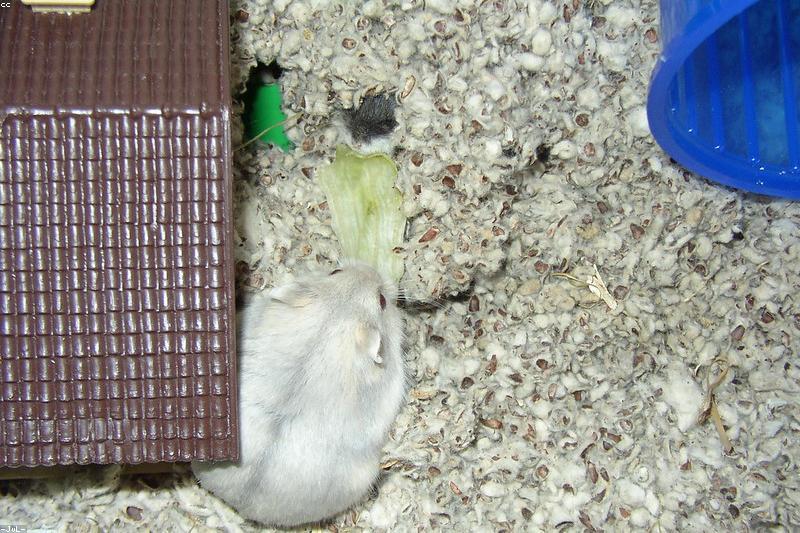
Hibernation vs Torpor: What Is Really Happening
True hibernation is a seasonal strategy used by wild species such as the European hamster, prepared for over months by building large fat reserves. Domestic hamsters — Syrians and dwarfs alike — have lost that adaptation. Instead, cold, short daylight, or a perceived food shortage can trigger torpor: a short-term emergency shutdown in which heart rate, breathing, and body temperature all crash. In a Syrian, heart rate can fall from around 400 beats per minute to fewer than 10.
The crucial difference: a wild hibernator has fat reserves and a prepared burrow. Your pet hamster has neither. Torpor is not a cute winter nap — it is the body’s last-ditch response to an environment that has become unsafe, and without intervention it leads to hypothermia, dehydration, and death.
What Triggers Torpor
- Room temperature below about 18°C (65°F) — the single biggest factor, and risk rises sharply the colder it gets
- Sudden temperature drops — drafty windows, a heater that fails overnight, cages on cold tile floors or near air conditioning vents
- Fewer than 12 hours of daylight — long winter darkness primes the body for shutdown
- Perceived food shortage — clearing out your hamster’s hoard while temperatures are low can be enough
- Illness or dehydration — a weak hamster can slide into a torpor-like state even at normal temperatures
Torpor or Something Worse? How to Check
A hamster in torpor feels cold, lies limp and pliable, and breathes so slowly you may need to watch for several minutes to see a single breath. The limpness matters: rigor mortis stiffens a body shortly after death, so a cold but floppy body is actually a hopeful sign.
- Watch the chest for 2–3 minutes — breathing may be one or two breaths per minute; a cold mirror or spoon held at the nose may fog
- Feel for a heartbeat — fingertips on the lower chest, just behind the elbows; the pulse can be faint and slow
- Stroke gently — watch for whisker twitches or a tiny stretch in response
- Check the temperature context — if the room has been above 20°C (68°F) and the hamster is cold and limp, suspect illness rather than torpor and get to a vet immediately
Even if torpor seems likely, a hamster that was cold and unresponsive still needs a veterinary check afterward to rule out infection and underlying problems.
Emergency Steps: Warm Slowly, Never Fast
The goal is a gradual return to normal body temperature. Rapid heating causes cardiovascular shock and can kill an animal that would otherwise have recovered.
- Move the cage or the hamster into a warm room, away from drafts, right away
- Warm gently with your own body heat — cup the hamster in your hands or against your chest, or wrap it in a warm (not hot) towel
- Never use hair dryers, direct heating pads, or unwrapped hot water bottles; never force water or food into the mouth of a barely responsive animal
- Once the hamster stirs and moves, offer lukewarm water and its normal food, and monitor closely for several hours
- Contact an exotic vet — especially if recovery is slow, or the hamster was unresponsive for more than a day
Prevention: Keep It Warm and Stable
| Preventive Step | Why It Matters |
|---|---|
| Keep the room at 20–24°C (68–75°F) year-round | Removes the main torpor trigger entirely |
| Place the cage away from windows, exterior walls, and vents | Prevents sudden cold drafts and night-time drops |
| Provide 6–10 inches of deep bedding and nesting material | Lets your hamster build an insulated nest |
| Keep a 12-hour light cycle and leave the hoard alone in winter | Signals to the body that conditions are safe |
| Keep a ceramic heat emitter with thermostat for cold homes | Adds a safety margin during heating failures |
The bottom line: if someone tells you a motionless pet hamster is “just hibernating,” do not wait to find out. Check for breathing, warm gently, and call a vet. A hamster that is awake, warm, and busy filling its cheek pouches — or sprinting on its hamster wheel — is the only version of winter you want to see.